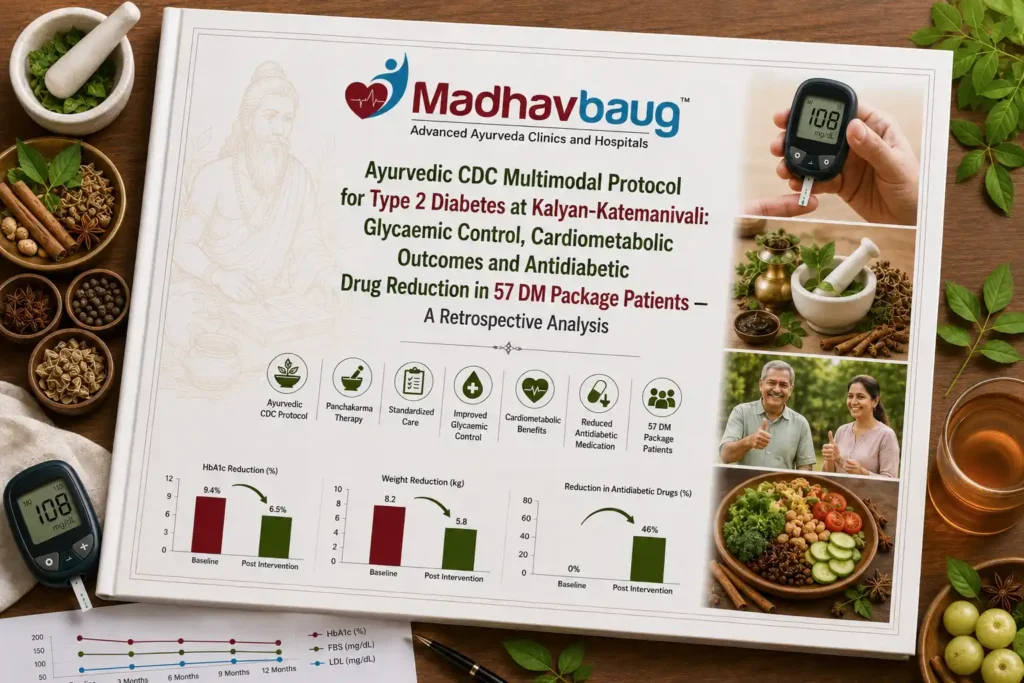
Kalyan-Katemanivali serves a rapidly urbanising peri-urban population in Thane District with high T2DM prevalence and complex cardiometabolic comorbidities. Structured retrospective analysis of the CDC protocol DM Package at this clinic provides site-specific evidence for the Ayurvedic multimodal approach to T2DM management. Download Research Book
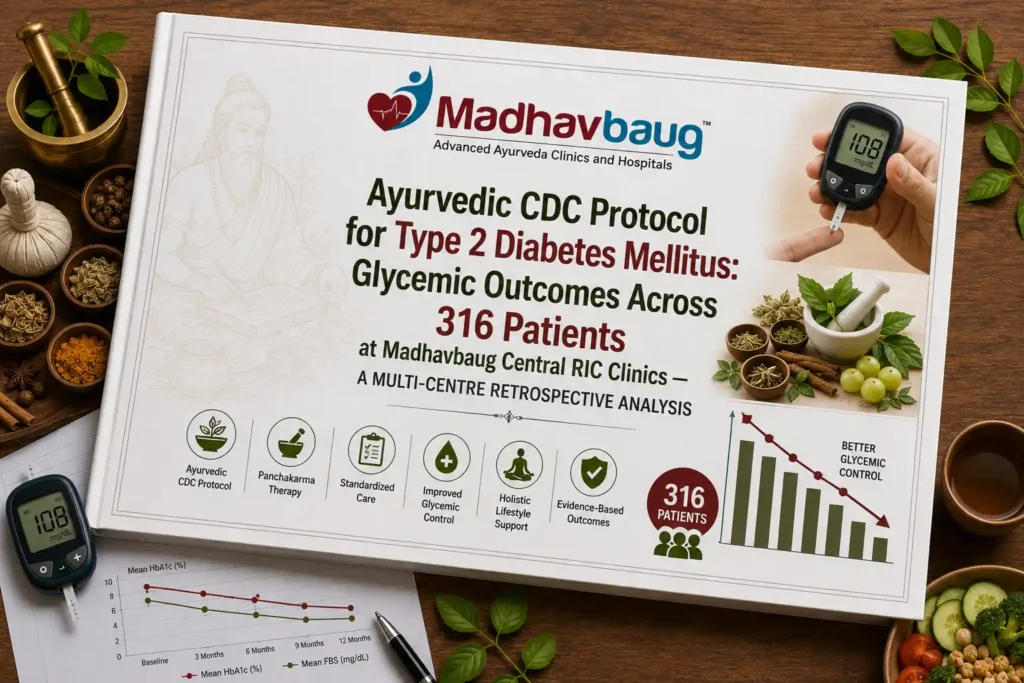
Type 2 diabetes mellitus (T2DM) imposes significant metabolic burden in India. Madhavbaug’s CDC (Chronic Disease Control) protocol integrates Panchakarma, low-calorie Prameha diet, and herbal medication as a structured Ayurvedic intervention. Download Research Book
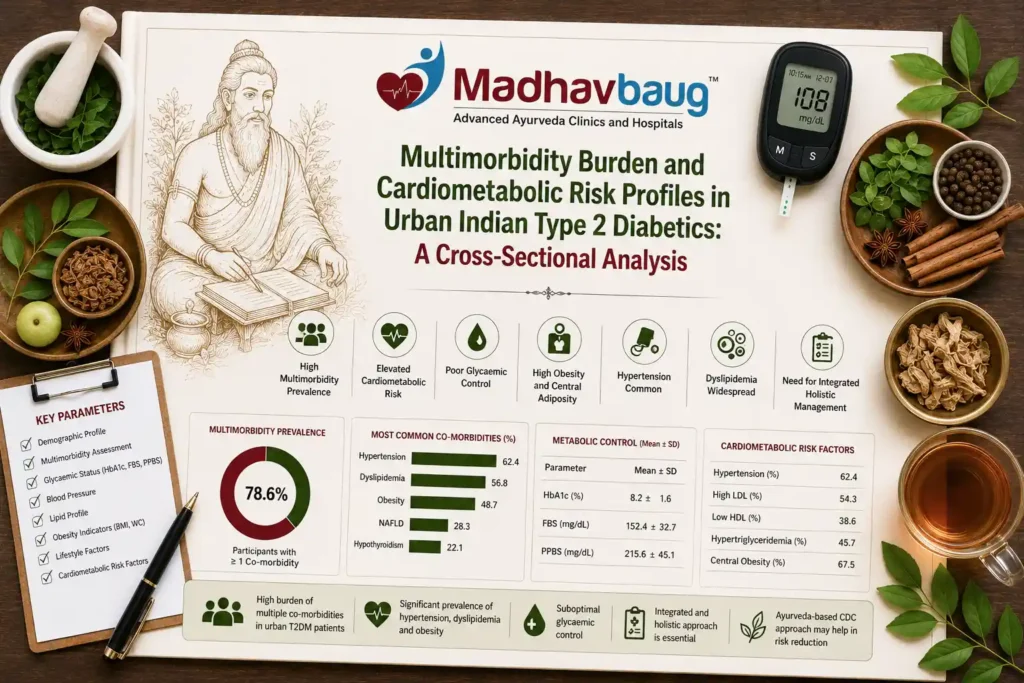
Type 2 diabetes mellitus (T2DM) in India disproportionately presents with multiple concurrent non-communicable diseases (NCDs). Urban populations in Central India, particularly in the Vidarbha region, represent an understudied yet rapidly growing cohort with unique cardiometabolic risk profiles. This study aimed to assess the burden of multimorbidity and associated cardiometabolic parameters among T2DM patients enrolled in a structured chronic care programme in Nagpur, Maharashtra. Download Research Book
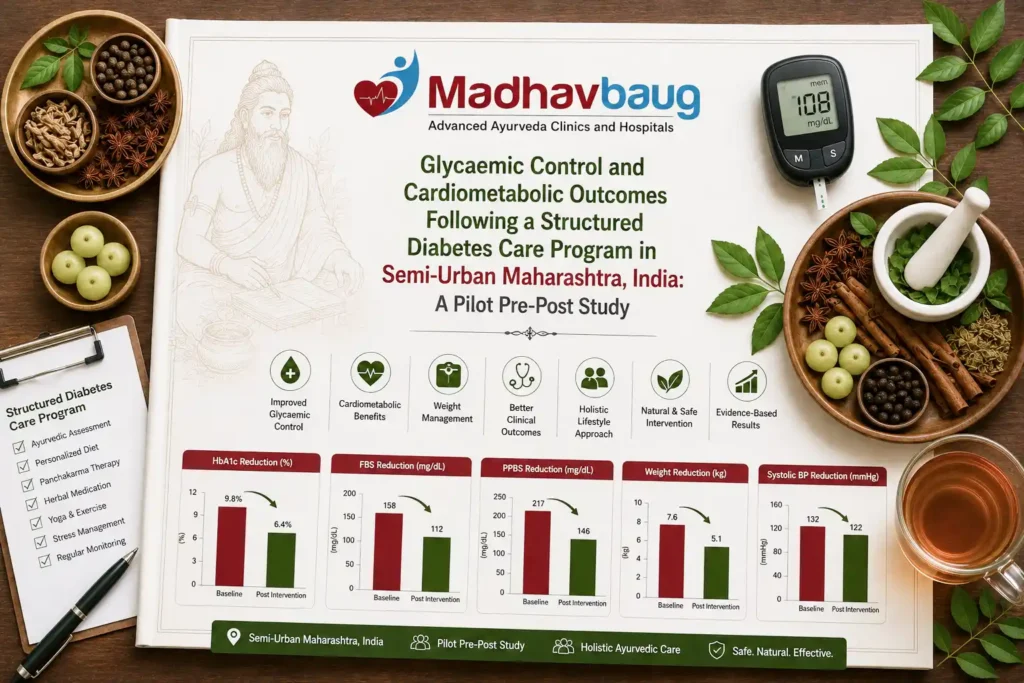
India harbours the second-largest diabetes population globally, yet evidence on structured care outcomes from semi-urban settings remains scarce. We evaluated the effectiveness of a structured diabetes care program on glycaemic and cardiometabolic parameters among patients with type 2 diabetes mellitus (T2DM) at a semi-urban clinic in Solapur district, Maharashtra Download Research Book
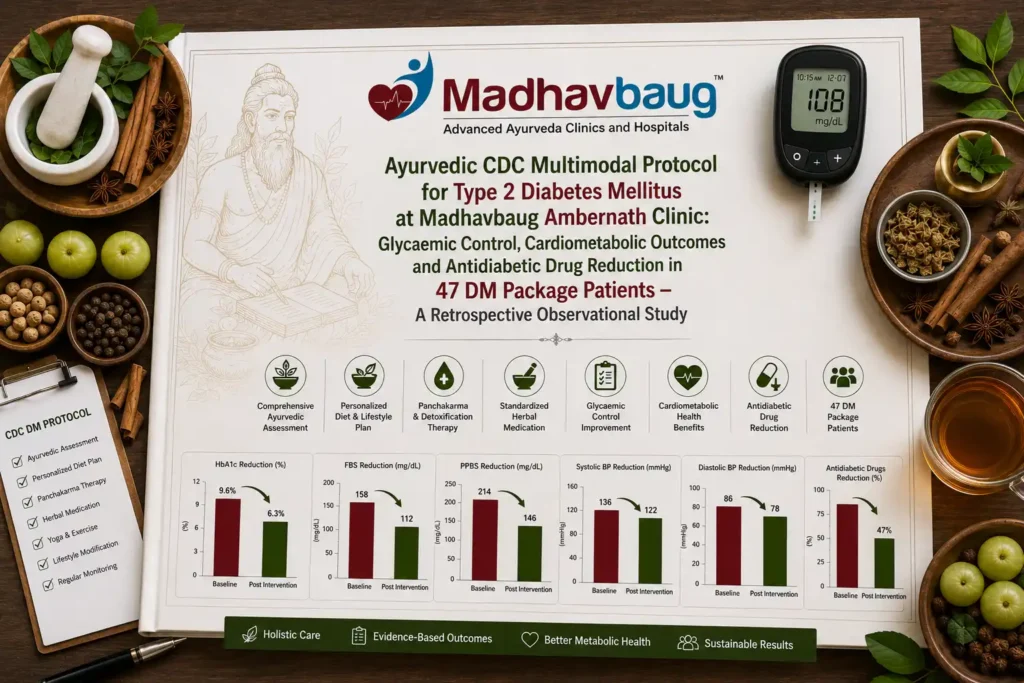
Ambernath, a rapidly urbanising town in Thane District, faces a growing burden of Type 2 diabetes mellitus (T2DM) driven by lifestyle changes, dietary transitions, and occupational stress. Madhavbaug’s CDC (Chronic Disease Control) multimodal protocol integrates Panchakarma bio-purification, a low-carbohydrate Prameha Diet Box, and individualised herbal medication as a structured Ayurvedic intervention for T2DM. This retrospective study presents the first clinic-specific outcomes analysis exclusively from the Madhavbaug Ambernath clinic DM Package patients. Download Research Book
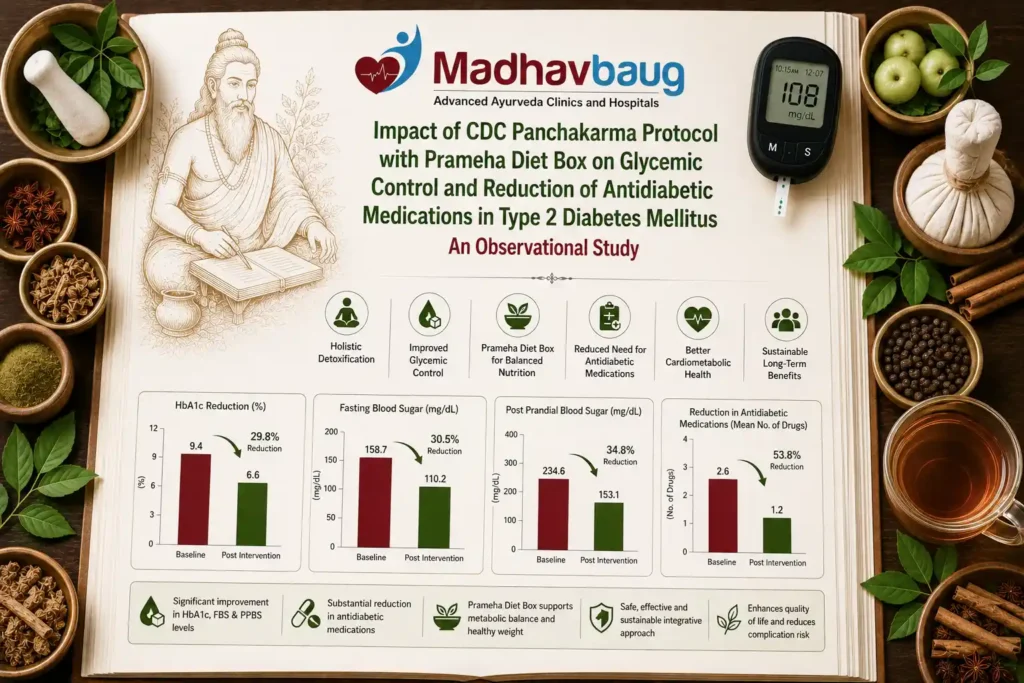
Type 2 Diabetes Mellitus (T2DM) imposes an escalating global burden requiring lifelong pharmacological management with cumulative adverse effects. Integrated Ayurvedic management combining Panchakarma bio-purification therapy, calorie-restricted diet, and herbal medications offers a multi-modal therapeutic alternative addressing the underlying metabolic dysfunction of T2DM. Download Research Book
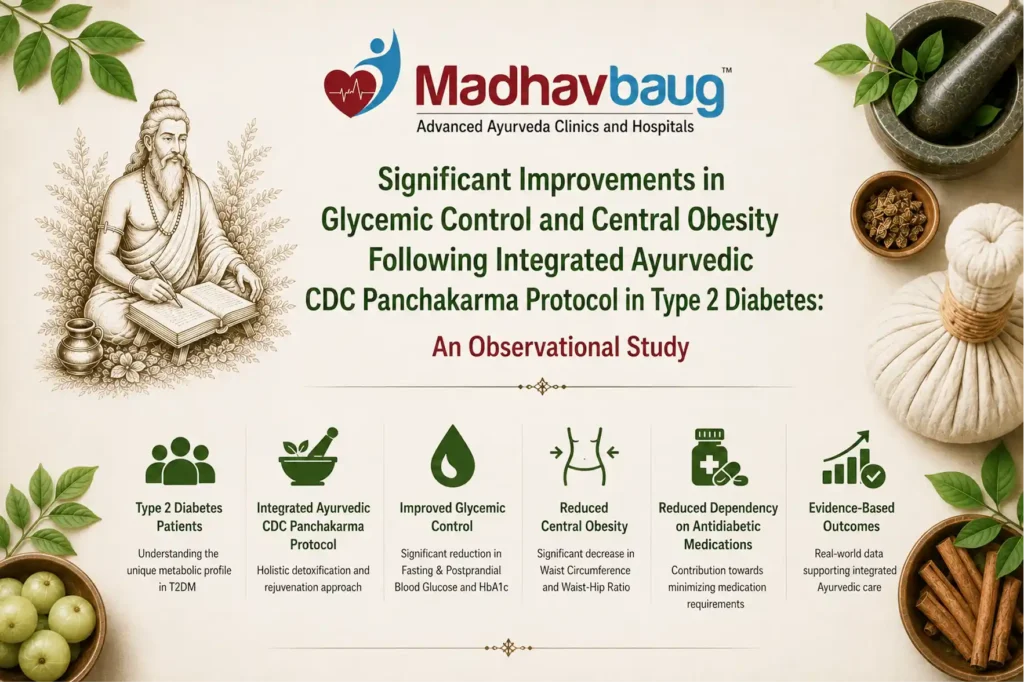
Type 2 Diabetes Mellitus (T2DM) is frequently accompanied by central obesity, and concurrentmanagement of hyperglycemia and visceral adiposity remains a challenging therapeutic goal. The CDC(Comprehensive Diabetes Care) Protocol — integrating Panchakarma bio-purification therapy (Snehan, Swedhan, Basti), the 800-kcal Prameha Diet Box, and individualized oral Ayurvedic herbal medications — was evaluated in a predominantly male T2DM cohort with high baseline HbA1c and significant central obesity Download Research Book
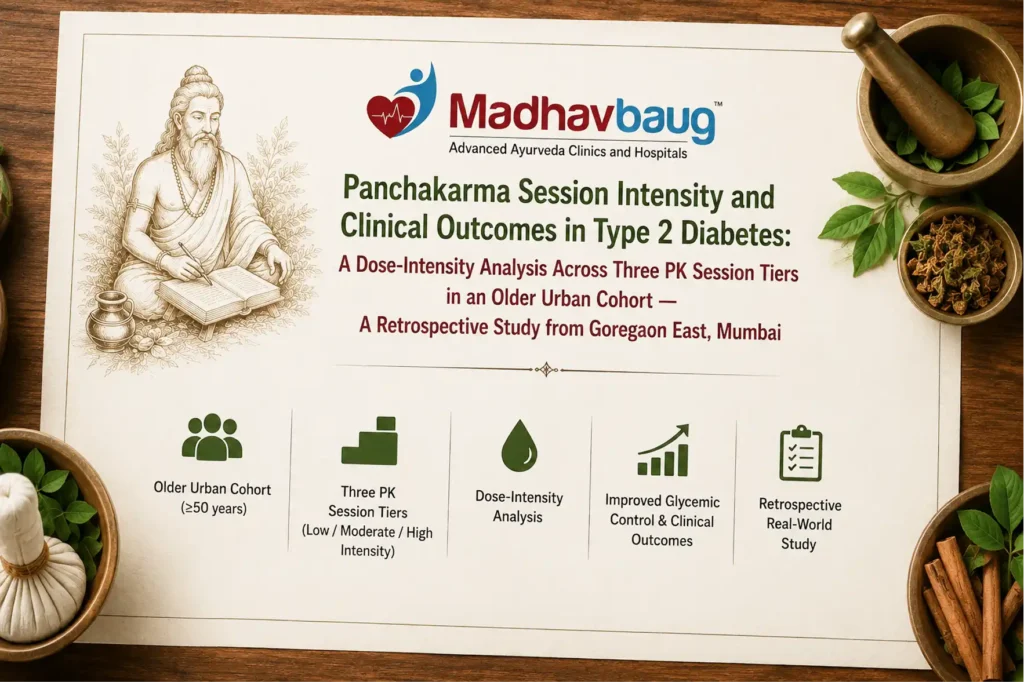
Panchakarma-based Ayurvedic interventions for type 2 diabetes mellitus (T2DM) are delivered in care plans comprising a defined number of sessions — typically 8, 12, 16, or 20+ Panchakarma (PK) administrations. While single-care-plan outcomes have been reported, the dose-response relationship between PK session intensity and clinical outcomes — specifically whether more sessions produce proportionally greater glycemic, hemodynamic, and autonomic improvement — has not been formallyexamined. This study addresses that gap Download Research Book
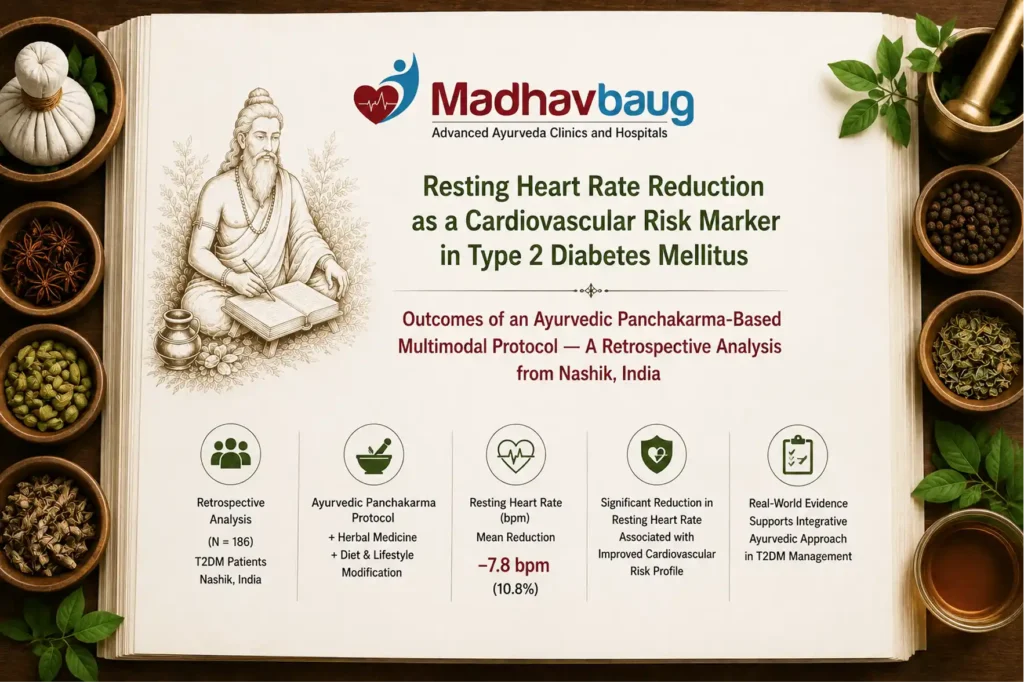
Resting heart rate (RHR) elevation is an independent predictor of cardiovascular mortality in type 2 diabetes mellitus (T2DM), reflecting underlying sympathetic overdrive and autonomic dysregulation. Despite its clinical significance, RHR is rarely reported as an outcome in integrative diabetes intervention studies. The present study examines RHR as a primary cardiovascular endpoint alongside glycemic and anthropometric outcomes in T2DM patients treated with a structured Ayurvedic multimodal protocol. Download Research Book
Insulin resistance is the foundational metabolic lesion of type 2 diabetes mellitus (T2DM), driving both progressive beta-cell failure and the accumulation of cardiovascular risk factors. Pharmacotherapy addresses symptoms of insulin resistance but does not reverse its root cause — excess adiposity, sedentary muscle metabolism, and chronic low-grade inflammation. Intensive lifestyle interventions combining caloric restriction, exercise, and metabolic therapies havedemonstrated T2DM remission, but real-world implementation of multimodal insulin resistance reversal programs remains limited. This study reports outcomes from the Comprehensive Diabetic Care (CDC) program, a structured multimodal intervention combining very-low-calorie dietary modification, structured botanical therapy targeting insulin-signaling pathways, physical conditioning, and antidiabetic medication tapering. Download Research Book

