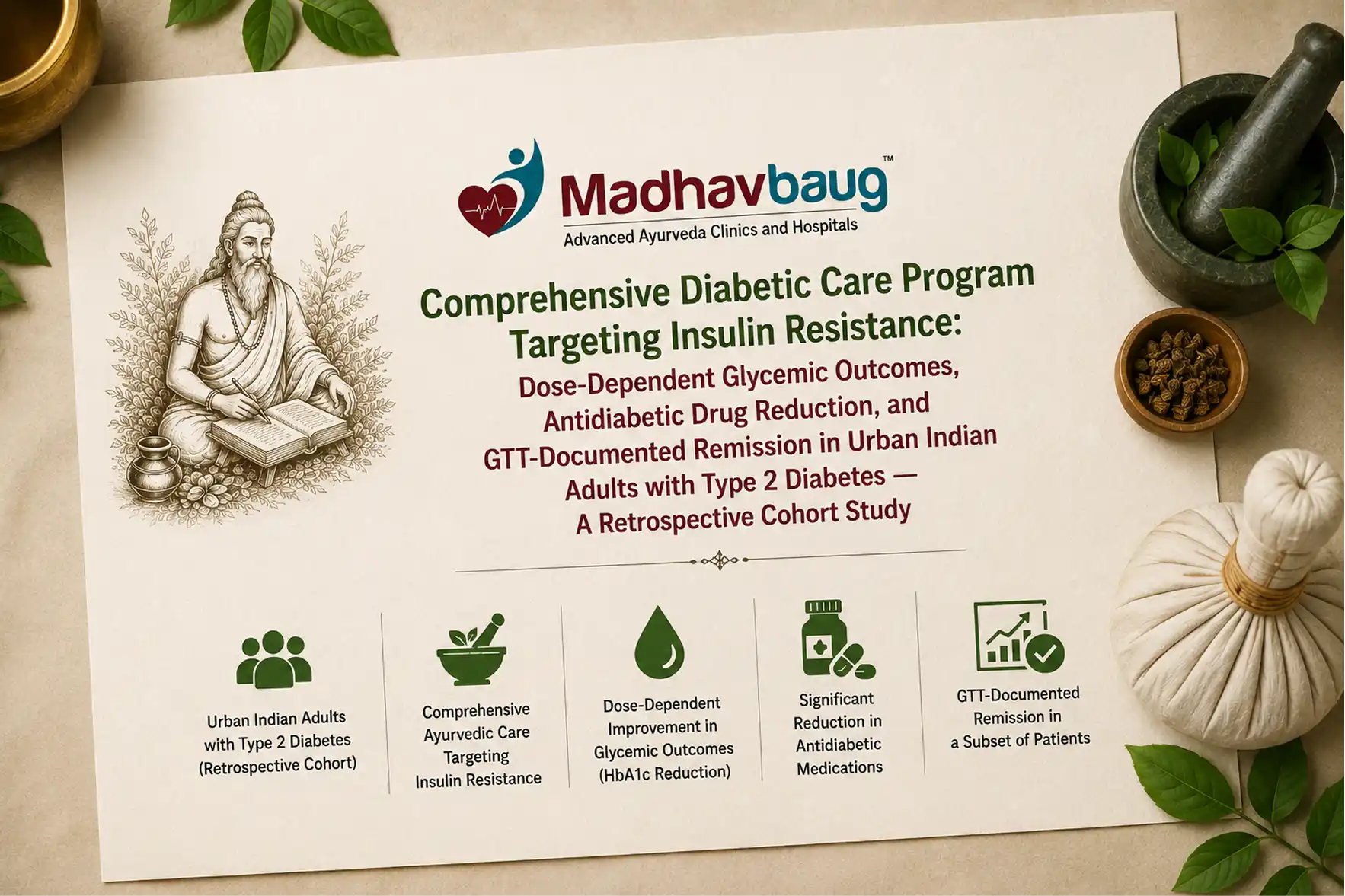
Insulin resistance is the foundational metabolic lesion of type 2 diabetes mellitus (T2DM), driving both progressive beta-cell failure and the accumulation of cardiovascular risk factors. Pharmacotherapy addresses symptoms of insulin resistance but does not reverse its root cause — excess adiposity, sedentary muscle metabolism, and chronic low-grade inflammation. Intensive lifestyle interventions combining caloric restriction, exercise, and metabolic therapies have
demonstrated T2DM remission, but real-world implementation of multimodal insulin resistance reversal programs remains limited. This study reports outcomes from the Comprehensive Diabetic Care (CDC) program, a structured multimodal intervention combining very-low-calorie dietary modification, structured botanical therapy targeting insulin-signaling pathways, physical conditioning, and antidiabetic medication tapering.

Coronary Artery Disease in Women: Symptoms, Risk Factors and Prevention
Quick answer Chest discomfort remains the most common heart-attack symptom in women, but women are more likely to experience additional