

Hypertension
It is persistently elevated arterial blood pressure, systolic above 130 mmHg or diastolic above 80 mmHg, that increases cardiovascular risk over time.
Introduction
Hypertension is one of the most widespread and dangerous conditions of our time. It rarely announces itself with obvious symptoms. It builds silently, year after year, steadily damaging the heart, kidneys, brain, and blood vessels while most people remain completely unaware. It is precisely this invisibility that makes hypertension so deadly.
The World Health Organization has called it one of the leading causes of premature death globally, a silent killer affecting more than 1.3 billion adults worldwide. In India, the burden is particularly acute. An estimated 220 million people are living with hypertension, yet only 12% have their blood pressure adequately controlled.
Awareness rates remain critically low, especially in rural populations, and the consequences are compounding. Hypertension is directly responsible for 57% of all stroke deaths and 24% of all coronary artery disease deaths in India. As cardiovascular diseases account for one-third of all deaths in the country, the urgency of addressing hypertension cannot be overstated.
Most people do not experience recognisable symptoms of hypertension until the condition has already inflicted significant damage. By the time a hypertensive emergency occurs, which may include a stroke, heart attack, or kidney failure, the disease has often been present for years without detection or treatment.
At Madhavbaug, hypertension is treated as a systemic, root-cause condition, not simply a number on a blood pressure monitor. Our integrated approach combines advanced diagnostics with clinically researched Ayurvedic protocols to address the metabolic and cardiovascular drivers of elevated blood pressure, creating lasting normalisation, not just temporary suppression.
What Is Hypertension?
Clinical Definition
Hypertension, or high blood pressure, refers to a condition in which the force of blood pushing against the walls of the arteries is consistently too high. Over time, this excess pressure damages arterial walls, forces the heart to work harder, and accelerates the risk of serious complications affecting nearly every major organ system.
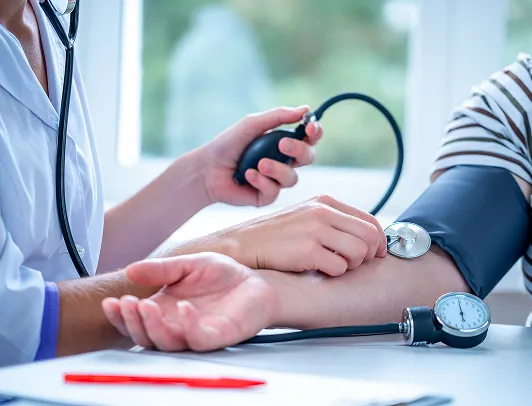
Blood pressure is measured in millimetres of mercury (mmHg) and recorded as two numbers:
- Systolic blood pressure (the top number): the pressure on artery walls when the heart contracts and pumps blood
- Diastolic blood pressure (the bottom number): the pressure between heartbeats, when the heart is at rest
|
Category
|
Systolic (mmHg)
|
Diastolic (mmHg)
|
|---|---|---|
|
Normal
|
Less than 120
|
Less than 80
|
|
Elevated / Prehypertension
|
120-139
|
80-89
|
|
Hypertension Stage 1
|
140-159
|
90-99
|
|
Hypertension Stage 2
|
160 and above
|
100 and above
|
|
Hypertensive Crisis
|
180 and above
|
120 and above
|
Confirmed diagnosis: ≥140/90 mmHg on two separate days
Indian guidelines: 140/90 mmHg standard (most institutional and national bodies)
Important for South Asians: Cardiovascular risk begins rising even in the pre-hypertensive range (120–139/80–89 mmHg)
A hypertensive crisis with readings at or above 180/120 mmHg requires immediate emergency medical attention.

Ayurvedic Perspective
Ayurveda views hypertension not as a standalone condition, but as a sign that the body’s circulatory intelligence has been disturbed. Two key systems are involved:
Rakta Vaha Srotas : the channels that govern blood and its circulation
Vyana Vayu : the sub-dosha of Vata that drives the movement of blood throughout the body
When these are disrupted by excess Pitta (adding heat and inflammation to the vascular system), aggravated Vata (causing forceful, erratic blood movement), or Kapha (blocking the channels and slowing circulation), blood pressure rises.
What triggers this imbalance?
Ayurveda recognises several root causes:
- Chronic mental stress and suppressed emotions
- Irregular sleep and daily routines
- Improper diet and poor digestion
- Accumulation of Ama (metabolic toxins) that obstruct the blood channels
Ayurvedic treatment, therefore, goes beyond lowering a number. It works to correct the underlying doshic imbalance and restore smooth, balanced circulation from within.

Types of Hypertension
Understanding the type of hypertension is essential for selecting the most effective treatment pathway.Understanding the type of hypertension is essential for selecting the most effective treatment pathway.

Primary Hypertension (Essential Hypertension)
Primary hypertension is the most common form of high blood pressure, accounting for 90-95% of all cases.
Unlike secondary hypertension, it has no single identifiable cause. Instead, it develops gradually over many years, shaped by a combination of:
- Genetic predisposition and family history
- Lifestyle factors such as diet, activity levels, and stress
- Environmental influences
The good news: Primary hypertension is also the most treatable form. While conventional medicine may not offer a definitive cure, it can be effectively managed and, in many cases, reversed through sustained lifestyle correction, dietary change, and targeted therapeutic intervention.
Secondary Hypertension
Secondary hypertension has an identifiable underlying cause. While it accounts for only 5-10% of hypertension cases, it is critically important to identify because treating the root cause can normalise blood pressure without lifelong medication. Common underlying causes include:
- Chronic kidney disease or renal artery stenosis
- Primary aldosteronism (excess aldosterone hormone)
- Obstructive sleep apnoea
- Thyroid disorders (hypothyroidism or hyperthyroidism)
- Cushing's syndrome (excess cortisol)
- Pheochromocytoma (adrenal gland tumour)
- Certain medications, including oral contraceptives, NSAIDs, decongestants, and stimulants

Secondary hypertension often presents at a younger age, is more severe, and is less responsive to standard lifestyle interventions, making a thorough diagnostic workup essential.

White Coat Hypertension
White coat hypertension is when blood pressure reads high in a clinical or medical setting, but returns to normal at home or in relaxed environments.
It is thought to be triggered by the anxiety or stress that some people experience in medical settings. While it was once considered harmless, emerging evidence suggests it may still carry some degree of cardiovascular risk. Regular monitoring is therefore recommended, even when home readings appear normal.
Masked Hypertension
The inverse of white coat hypertension, masked hypertension, involves normal readings in a clinical setting but consistently elevated readings at home. It is particularly dangerous because it is easily missed in standard clinical assessments. Home blood pressure monitoring and ambulatory blood pressure monitoring (ABPM) over 24 hours are essential to identifying this pattern.


Pulmonary Arterial Hypertension (PAH)
Pulmonary arterial hypertension (PAH) is not the same as regular high blood pressure. It affects the arteries within the lungs specifically, not the body’s broader circulatory system.
The abnormally high pressure in these vessels progressively overworks the right side of the heart, causing breathlessness, fatigue, and if left untreated, right heart failure. It is managed by specialist cardiologists and pulmonologists using targeted therapies that are entirely distinct from standard hypertension treatment.
Isolated Systolic Hypertension
Common in older adults, isolated systolic hypertension involves a consistently elevated top number (systolic ≥140 mmHg) with a normal diastolic reading (below 90 mmHg). It reflects arterial stiffening that comes with age and carries a significant risk for cardiovascular events, stroke, and kidney disease.

Resistant Hypertension
Hypertension is classified as resistant when blood pressure remains elevated despite the concurrent use of three or more antihypertensive medications at optimal doses, one of which is a diuretic. Resistant hypertension warrants specialist evaluation to rule out secondary causes and to assess adherence, drug interactions, and lifestyle factors.
Symptoms of Hypertension
Hypertension is called the “silent killer” for good reason. In most cases, it produces no noticeable symptoms at all, even when blood pressure reaches dangerous levels.
A person can live with the condition for years without any awareness, while it quietly damages the arteries, heart, and kidneys. Regular blood pressure monitoring is the only reliable way to catch it early.

Symptoms of High Blood Pressure in Severe Cases
When blood pressure rises to extreme levels, particularly during a hypertensive crisis (180/120 mmHg or higher), certain symptoms may emerge:

- Severe, pounding headache at the back of the head
- Blurred, double, or sudden loss of vision
- Chest pain or tightness
- Shortness of breath
- Dizziness or light-headedness
- Nausea and vomiting
- Irregular heartbeat or palpitations
- Facial flushing or warmth
- Nosebleeds
- Confusion or sudden changes in mental status
- Signs of stroke: facial drooping, slurred speech, or sudden arm or leg weakness
It is important to note that these signs of hypertension appearing suddenly, especially chest pain, severe headache, vision loss, or neurological changes, require immediate emergency medical attention.
When to Seek Immediate Medical Attention
If blood pressure is 160/90 mmHg or higher, with any associated symptoms listed above, call emergency services immediately. Do not wait for symptoms to resolve on their own. A hypertensive emergency can cause irreversible damage to the brain, heart, kidneys, and eyes within minutes to hours.
Causes of Hypertension and Risk Factors
Hypertension is a multifactorial condition. Most cases of primary hypertension arise from the convergence of multiple causes and risk factors, rather than a single identifiable trigger.
Primary Causes of Hypertension
Dietary factors:
Excess sodium
High salt intake disrupts the kidney’s fluid balance,
raising blood volume and arterial pressure.
Low potassium
Diets low in fruits, vegetables, and legumes lack the potassium needed to counterbalance sodium’s effect on blood pressure.
Excessive alcohol
Regular heavy drinking raises blood pressure through multiple pathways and reduces the effectiveness of blood pressure medications.
Processed foods
High intake of processed foods, saturated fats, and refined carbohydrates promotes obesity and insulin resistance, both of which elevate blood pressure.
Lifestyle factors:
Physical inactivity
A sedentary lifestyle weakens cardiovascular efficiency and promotes weight gain, both of which drive hypertension.
Tobacco use
Smoking and chewing tobacco acutely elevates blood pressure and causes long-term vascular stiffening and damage.
Chronic stress
Psychological stress activates the sympathetic nervous system, raising heart rate and arterial resistance, while cortisol elevation promotes sodium retention and vascular constriction.
Disrupted sleep
Sleep disorders, particularly obstructive sleep apnoea, cause blood pressure surges at night and sustained elevation during the day.
Causes of Sudden High Blood Pressure
Certain triggers can cause sudden, significant spikes in blood pressure, including:
- Acute psychological stress or panic
- Pain
- Certain medications
- Sudden high caffeine intake
- Untreated or poorly managed obstructive sleep apnoea
In someone with already elevated blood pressure, these spikes can trigger a hypertensive crisis.
Causes of Hypertension in Women
Women face distinct hypertension risk factors across the lifecycle:
Oral contraceptives
Certain contraceptive pills, particularly older high-oestrogen formulations, can raise blood pressure in susceptible women.
Pregnancy
Gestational hypertension and pre-eclampsia can persist after delivery and are strong predictors of long-term cardiovascular risk.
Menopause
Declining oestrogen levels, increased arterial stiffness, and weight redistribution toward the abdomen make menopause a key window of rising hypertension risk.
PCOS
Polycystic ovary syndrome creates a metabolic environment of insulin resistance, inflammation, and hormonal imbalance, all of which elevate blood pressure risk in younger women.
Risk Factors of Hypertension
Women face distinct hypertension risk factors across the lifecycle:
Age
Blood pressure rises with advancing age due to arterial stiffening. Risk increases significantly after 45 in men and after menopause in women.
Family history and genetics
A strong family history of hypertension significantly raises individual risk, with multiple gene variants influencing sodium handling, hormonal regulation, and vascular tone.
Obesity
Excess body weight, especially around the abdomen, raises blood pressure through increased cardiac output, hormonal activation, and insulin resistance. Obesity and hypertension reinforce each other in a cycle that is difficult to break without addressing both.
Chronic kidney disease
The kidneys regulate blood pressure through fluid balance and hormone production. Impaired kidney function disrupts this balance, creating or worsening hypertension.
Diabetes and insulin resistance
Elevated insulin levels promote sodium retention and sympathetic nervous system activation, both of which raise blood pressure. The combination of hypertension and diabetes dramatically amplifies cardiovascular risk.
Ethnicity
South Asians, including Indians, tend to develop hypertension at younger ages and lower body weights compared to Western populations, making early screening particularly important.
Stress and mental health
Chronic anxiety, depression, and burnout are increasingly recognised as independent risk factors for hypertension, separate from the unhealthy behaviours they also tend to promote.
Complications of Hypertension - End Organ Damage
Uncontrolled hypertension systematically damages blood vessels throughout the body. Because the circulatory system serves every organ, the effects of hypertension are far-reaching. Understanding the effects of hypertension underscores why early diagnosis, treatment, and sustained control are so critical.
Cardiovascular complications
Coronary artery disease:
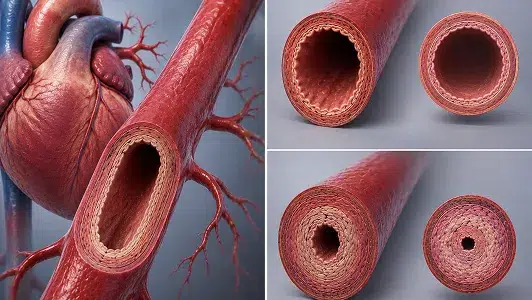
Hypertension accelerates plaque buildup in artery walls, narrowing the vessels that supply the heart and increasing the risk of angina and heart attacks.
Heart failure
Sustained high blood pressure forces the heart to overwork over years, gradually thickening and stiffening the heart muscle until it can no longer pump efficiently.
Atrial fibrillation
Hypertension-driven changes in heart structure increase the risk of abnormal heart rhythms, which in turn raise the risk of stroke.
Aortic aneurysm
Chronic high pressure weakens the walls of the aorta, raising the risk of dangerous aneurysm formation and rupture.
Neurological complications
Stroke
Hypertension is the single largest modifiable risk factor for stroke, contributing to both clot-caused and bleed-caused strokes.
Vascular dementia
Chronic high blood pressure damages small blood vessels in the brain, gradually impairing memory, cognitive function, and decision-making.
Hypertensive encephalopathy
Extremely high blood pressure can cause acute brain dysfunction, including confusion, seizures, and loss of consciousness, and requires immediate medical attention.
Renal complications
Chronic kidney disease
Psychological stress activates the sympathetic nervous system, raising heart rate and arterial resistance, while cortisol elevation promotes sodium retention and vascular constriction.
End-stage renal disease
Uncontrolled hypertension is one of the leading causes of kidney failure requiring dialysis
Ocular complications
Hypertensive retinopathy
Elevated blood pressure damages the blood vessels of the retina, causing vision disturbances and in severe cases, vision loss.
Optic nerve damage
Elevated pressure associated with hypertension can damage the optic nerve over time.
Metabolic and endocrine complications
Metabolic syndrome
Hypertension commonly clusters with diabetes, obesity, and abnormal cholesterol levels, a combination that dramatically multiplies cardiovascular risk.
Sexual and reproductive health
Erectile dysfunction
Hypertension damages the small blood vessels and nerves required for normal sexual function in men.
Pregnancy complications
Hypertension during pregnancy poses serious risks to both mother and baby, including eclampsia, organ failure, restricted foetal growth, and premature birth.
Diagnosis of Hypertension
Accurate diagnosis forms the foundation of effective management. At Madhavbaug, diagnosis goes far beyond a single blood pressure reading to provide a complete picture of cardiovascular and metabolic health.
How is blood pressure measured?
- Blood pressure is measured at rest, with the patient seated comfortably, using a properly calibrated device.
- At least two measurements on two separate occasions are required to confirm a diagnosis.
- This is because blood pressure fluctuates naturally with activity, stress, hydration, and time of day.
Proven American Technology Ambulatory Blood Pressure Monitoring (ABPM):
- A 24-hour device records blood pressure at regular intervals throughout normal daily activity and during sleep.
- Recommended when white coat hypertension or masked hypertension is suspected.
- Provides a far more accurate picture than clinic measurements alone.
Standard Diagnostic Investigations
Cardiac Assessment
- ECG to assess cardiac rhythm and signs of left ventricular hypertrophy, a key marker of hypertensive heart disease.
- Echocardiogram where indicated, to evaluate heart structure and function.
Metabolic and Biochemical Panel
- Fasting blood glucose and HbA1c (diabetes and pre-diabetes screening)
- Lipid profile: total cholesterol, LDL, HDL, triglycerides
- Kidney function: serum creatinine, BUN, eGFR (estimated glomerular filtration rate)
- Electrolytes: sodium and potassium levels
- Urine analysis and urine microalbumin (to detect early kidney damage)
Thyroid and Hormonal Screening
- Thyroid function tests (TSH, T3, T4) to rule out thyroid-driven hypertension
- Aldosterone-to-renin ratio in cases suggestive of primary aldosteronism
- Cortisol assessment if Cushing's syndrome is suspected
Body Composition and Anthropometrics
- BMI and waist circumference (abdominal obesity is an independent cardiovascular risk factor)
- Body composition analysis to assess fat mass versus lean tissue
Ayurvedic Assessment
At Madhavbaug, every patient also undergoes a Prakriti analysis, a traditional Ayurvedic assessment of constitutional body type, alongside a dosha evaluation. This identifies the specific imbalances driving hypertension in that individual, allowing for a highly personalized treatment protocol that addresses the root cause, not just the blood pressure number.
Treatment Options for Hypertension
Conventional Management of Hypertension
Standard medical management of hypertension typically involves lifestyle modification alongside antihypertensive medications. Dietary sodium restriction, weight reduction, increased physical activity, smoking cessation, and stress management form the foundation of conventional

Medications commonly prescribed include:
- ACE inhibitors and ARBs, which reduce hormonal drivers of blood pressure and protect kidneys
- Calcium channel blockers, which relax blood vessel walls
- Diuretics, which reduce fluid volume
- Beta-blockers, which reduce heart rate and cardiac output
These medications effectively lower blood pressure readings. However, they do not address the underlying metabolic dysfunction driving hypertension. They require lifelong use in most patients and represent management, not reversal.
The Madhavbaug Approach: Ayurvedic Blood Pressure Reversal
Madhavbaug treats hypertension as a systemic, root-cause condition, not a permanent diagnosis to be managed with lifelong medication. The approach integrates advanced diagnostics, Ayurvedic therapeutic protocols, personalised nutrition, and continuous monitoring to create lasting normalisation of blood pressure by correcting the underlying metabolic and vascular dysfunction.
Madhavbaug has successfully treated over 10 lakh patients across 350+ clinics, with research published in over 150 peer-reviewed medical journals.
Advanced Diagnostics
Every patient begins with comprehensive cardiovascular and metabolic screening before treatment starts. This baseline establishes not just how high the blood pressure is, but why, and which organ systems are already under strain.
- Ambulatory Blood Pressure Monitoring (ABPM) using proven American technology, for continuous 24-hour blood pressure profiling
- ECG and pathological investigations as required
- Blood panels covering kidney function, thyroid assessment, and inflammation markers
- Body composition analysis
- Ayurvedic Prakriti evaluation to identify constitutional drivers of hypertension
Daily Hypertension Reversal Panchakarma Therapy
Madhavbaug’s clinical Panchakarma protocols are specifically designed to repair vascular remodelling, protect vessel walls, and prevent further complications from high blood pressure.
|
Therapy
|
What it does
|
|---|---|
|
Centripetal Oleation (Abhyanga)
|
Therapeutic herbal oil massage that relaxes the vascular system, reduces sympathetic nervous system overactivation, and improves peripheral circulation
|
|
Shirodhara
|
Continuous warm medicated oil flow over the forehead that calms the nervous system, reduces cortisol-driven vascular tension, and addresses stress-related hypertension at its neurological root
|
|
Swedana (Medicated Steam)
|
Dilates peripheral blood vessels, reduces systemic vascular resistance, and promotes elimination of toxins through the skin
|
|
Basti (Per Rectal Drug Administration)
|
Reduces systemic inflammation, supports kidney function, and helps normalise fluid and electrolyte balance
|
Dinacharya: Daily Body Detox Protocol
Dinacharya is a structured daily routine that detoxifies blood impurities through the body’s natural openings, nose, eyes, ears, and mouth, using time-tested Ayurvedic practices. This is not supplementary care. It is the daily foundation that keeps the internal environment clean while other therapies work on reversing the disease.
Morning Exercise Session
- Burns excess body fat and calories that contribute to elevated blood pressure
- Improves vascular elasticity and arterial flexibility
- Promotes excess water and sodium loss from the body naturally
- Structured to be safe for hypertensive patients, starting slow and building progressively
Daily Yoga and Meditation
- Relaxes the mind and body, directly reducing stress-driven spikes in blood pressure
- Structured pranayama protocols including Anulom Vilom and Bhramari, both clinically validated for blood pressure reduction
- Reduces systemic inflammation driven by chronic stress
- Improves heart rate variability and autonomic balance over time
Ayurvedic Disease-Specific Aahar (Diet Protocol)
Each patient receives the BIPI Diet Kit, a personalised dietary protocol built on clinical nutrition science.
- Research-based 800 kcal, portion-controlled daily plan
- Rich in vitamins, minerals, and antioxidants that improve vascular elasticity and support endothelial function
- Sodium-conscious meal planning tailored to Indian food culture and regional dietary patterns
- Potassium-rich, anti-inflammatory whole foods that actively support vascular health
- Carbohydrate and glycaemic management to address insulin resistance
- Hydration and meal timing strategies that reduce blood pressure variability
Herbal Medicines
- FDA approved, research-based herbal formulations
- Key ingredients include Arjuna, Ashwagandha, and Sarpagandha, clinically validated for their action on vascular tone, stress response, and cardiac function
- Rejuvenates vascular elasticity and reduces vascular inflammation
- No side effects associated with synthetic antihypertensive medications
Real-Time Monitoring via mibPULSE App
Madhavbaug’s mibPULSE app keeps patients connected to their treatment plan between clinic visits.
- Log blood pressure readings daily and track trends over time
- Monitor dietary patterns and lifestyle adherence
- Message your Madhavbaug physician directly
- Receive real-time treatment adjustments based on your progress
The ApexBeat Programme
For patients with hypertension-related complications including cardiovascular risk, early kidney impairment, or metabolic syndrome, the ApexBeat programme delivers all treatment pillars in a single structured, medically supervised protocol.
It combines advanced diagnostics, researched dietary protocols, physiotherapy, and Ayurvedic therapies to simultaneously reverse hypertension and its downstream organ effects.
Diet & Lifestyle Management for Hypertension
Whether or not you are enrolled in a formal treatment programme, these evidence-backed principles form the foundation of sustainable blood pressure control.
Dietary Principles
Reduce sodium
Aim for less than 5 grams of salt per day. Watch out for hidden sodium in packaged foods, pickles, papad, processed meats, and restaurant meals. Even small reductions produce meaningful improvements in blood pressure.
Increase potassium
Bananas, sweet potatoes, leafy greens, dal, coconut water, and tomatoes help counterbalance sodium and support kidney health. Most Indians consume insufficient potassium relative to sodium.
Eat a heart-healthy die
Prioritise fresh vegetables, whole grains, legumes, and healthy fats from nuts, seeds, and cold-pressed oils. Minimise refined carbohydrates, fried foods, and ultra-processed snacks.
Limit alcohol
Regular heavy drinking is a direct driver of hypertension. Even modest reductions in alcohol consumption can lower blood pressure within weeks.
Moderate caffeine
High caffeine intake can cause acute blood pressure spikes. Monitor your individual response, as sensitivity varies.
Physical Activity
- Aim for at least 150 minutes of moderate-intensity aerobic exercise per week, such as brisk walking, cycling, swimming, or yoga.
- Include two to three sessions of light resistance training per week to improve cardiovascular and metabolic fitness.
- Break up prolonged sitting throughout the day, as even brief movement breaks improve vascular function.
- Yoga has particularly strong evidence in Indian populations for blood pressure reduction, combining physical movement, breathing regulation, and stress relief.
Stress and Sleep
- Practice daily pranayama, including Anulom Vilom and Bhramari breathing, both of which have documented blood-pressure-lowering effects.
- Prioritise 7 to 8 hours of quality sleep. Poor sleep directly raises blood pressure and increases cardiovascular risk.
- Address obstructive sleep apnoea if suspected, as it is both a cause and consequence of hypertension.
- Build social connections, regular relaxation practices, and emotional outlets as active components of managing blood pressure.
Prevention of Hypertension
Hypertension is largely preventable with consistent lifestyle choices made early and sustained over time.
- Follow a low-sodium, vegetable-rich diet from early adulthood
- Maintain a healthy weight, especially around the abdomen
- Make physical activity a daily habit, not a short-term fix
- Manage stress through structured, proactive practices
- Check blood pressure annually after age 30 (earlier/more often if at risk)
- Identify and treat sleep disorders like sleep apnoea early
- Control conditions such as diabetes, kidney, and thyroid disorders
- Women should monitor closely during oral contraceptive use, pregnancy, and menopause
- If there’s a family history, begin screening and prevention in your mid-twenties


Prevention of Hypertension
The outlook for hypertension is highly favourable with early and consistent management. Even a small reduction (around 5 mmHg systolic) can significantly lower the risk of stroke, heart attack, and kidney damage.
While it is often considered a lifelong condition, outcomes can improve substantially when underlying causes are addressed. With a structured approach combining diagnostics, targeted therapy, diet, lifestyle modification, and continuous monitoring, patients can achieve:
- Better blood pressure control
- Improved heart and kidney function
The outlook for hypertension is highly favourable with early and consistent management. Even a small reduction (around 5 mmHg systolic) can significantly lower the risk of stroke, heart attack, and kidney damage.