
Coronary Artery Disease in Women: Symptoms, Risk Factors and Prevention
Quick answer Chest discomfort remains the most common heart-attack symptom in women, but women are more likely to experience additional


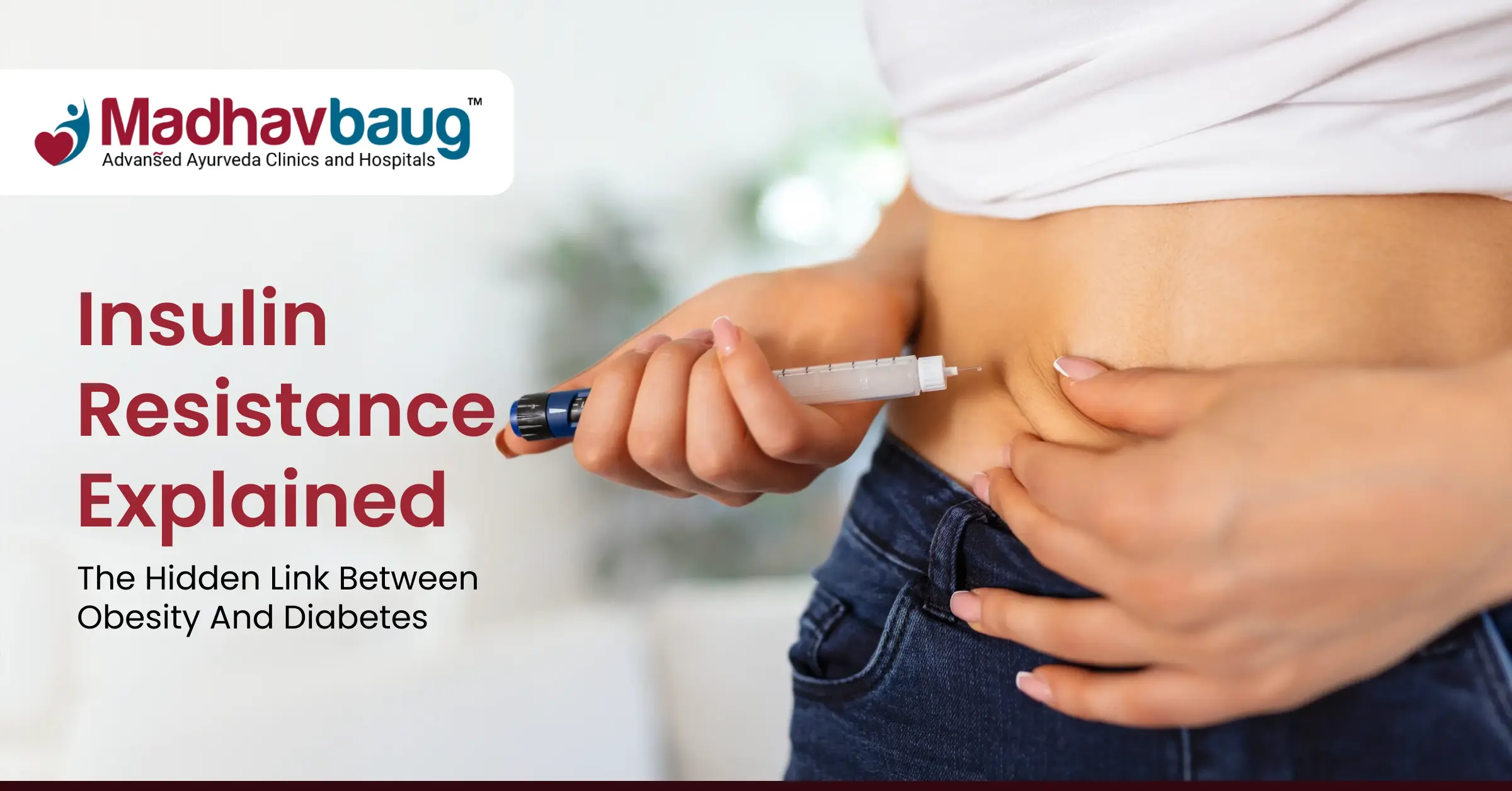
Most people know what diabetes is. Most people know what obesity is. What does not get talked about nearly enough is what connects the two. That connection is insulin resistance, and it is quietly one of the most common and most overlooked metabolic problems in India today.
Catch it early and you can reverse it. Miss it and it becomes type 2 diabetes. Understanding it is worth your time.
Insulin is a hormone the pancreas produces after you eat. Its job is straightforward: it acts like a key that unlocks your cells so glucose from the bloodstream can enter and be converted into energy. When everything is working, blood sugar stays stable and energy stays consistent.
Insulin resistance is what happens when that key stops fitting the lock properly. The cells in your muscles, liver, and fat tissue stop responding to insulin the way they should. The pancreas compensates by producing more insulin. Then more. Blood sugar stays normal for a while because the pancreas is working overtime to keep it that way. But that cannot last indefinitely. Eventually the pancreas starts to lose the battle, blood sugar climbs, and type 2 diabetes follows.
There is rarely one single cause. Usually it is several things building on each other over time:
Of all of these, the obesity and insulin resistance link is the tightest. Visceral fat, the kind that sits around the organs rather than under the skin, is particularly damaging. It releases inflammatory signals that directly interfere with how insulin works at the cellular level.
Insulin resistance earns the label silent condition because it can develop for years with no obvious symptoms. By the time most people find out they have it, it has been present for a while. That said, there are early signs of insulin resistance that show up if you know what to look for:
These insulin resistance symptoms overlap with a lot of other conditions, which is part of why it gets missed. A blood test measuring fasting insulin and fasting glucose together is the most reliable way to confirm it.
The progression from insulin resistance to type 2 diabetes is not sudden. It takes years, which is actually good news because it means there is a long window to intervene. Here is how it typically unfolds:
Every stage before the last one is an opportunity to reverse course.
Yes, for most people and especially in the earlier stages. Reversing insulin resistance naturally does not always require medication. Lifestyle change is the most powerful tool available, and the evidence behind it is strong.
Losing 5 to 10 percent of body weight alone significantly reduces visceral fat and improves insulin sensitivity. It does not take dramatic weight loss to shift the trajectory.
For some people, particularly those with significant visceral fat, hormonal imbalances, or a strong genetic component, lifestyle changes alone may not fully correct insulin resistance. In these cases, medical support becomes part of the picture.
The connection between obesity and diabetes means that treating insulin resistance is also preventing diabetes. The two cannot really be separated, which is why a comprehensive approach matters far more than addressing just one piece in isolation.
At Madhavbaug, insulin resistance is treated as the metabolic root cause it is, not as a side note to weight management. Our approach integrates Ayurvedic protocols with modern cardiac and metabolic science because insulin resistance does not sit neatly inside one medical specialty.
What that looks like in practice:
If your weight is not responding to effort, if your energy is consistently low, if cravings are driving your eating rather than hunger, insulin resistance may be what is actually going on. Getting assessed is the first step.
Book your consultation at madhavbaug.org.

Quick answer Chest discomfort remains the most common heart-attack symptom in women, but women are more likely to experience additional

Have you ever been through this situation wherein you had chest pain, you visited your doctor and they suggested an