

Heart Disease
It is a lifestyle disease. It can be addressed at the root.

Introduction
CVD cases in India have grown from 25.7 million in 1990 to 64 million in 2023. India now accounts for one in five cardiovascular deaths worldwide, with Indians developing risk factors younger and experiencing more severe disease than most other ethnic groups.
Most people do not get the full picture when they are diagnosed. They hear about stents, surgery, and lifelong medication. Rarely about why it happened, or whether it can actually be reversed.
Heart disease is not one condition. It covers coronary artery disease, heart failure, valve disorders, and rhythm abnormalities, all of which affect how your heart pumps blood, delivers oxygen, and keeps every organ functioning.
The real issue? Every one of these is connected to your metabolism, your habits, and how your body handles inflammation over time. Fix the root, and the risk starts to drop.
That is exactly where Madhavbaug starts. By combining modern diagnostics with evidence-based Ayurvedic therapies, the focus is not just on managing symptoms. It is on restoring heart function, correcting the underlying imbalance, and reducing long-term risk in a structured, monitored way.
Why Madhavbaug?
- Non-surgical first: most stable CAD cases can be managed without stents or bypass
- Root-cause treatment: we correct the metabolic and inflammatory drivers, not just the blockage
- Modern diagnostics combined with classical Panchakarma protocols
- Every patient tracked with repeat ECG, 2D Echo, and blood panels at defined milestones
- Qualified physicians review and adjust your protocol throughout
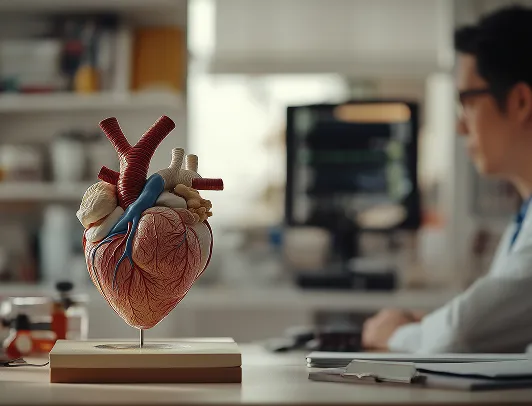
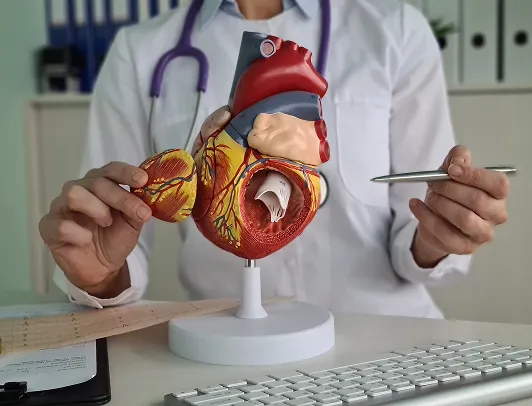
What Is Heart Disease?
Heart disease is a group of conditions, each affecting how your heart is built and how it works.
The most common is coronary artery disease, where fat, cholesterol, and inflammatory substances slowly build up inside your blood vessels, narrowing them until blood flow drops. Less flow means less oxygen. Less oxygen means your heart muscle starts to struggle, and that is when symptoms show up, or worse, a heart attack hits without warning.
Conditions like ischaemic heart disease, heart failure, and heart valve disease all fall under the same umbrella. Different mechanisms, same result: a heart that cannot function the way it should.
What Are the Causes of Heart Disease?
Understanding what drives heart disease is more useful than just naming the condition.
Clinical causes
- Chronic inflammation and plaque buildup: fat, cholesterol, and inflammatory substances accumulate in arteries, reducing blood flow and raising heart attack risk
- Metabolic imbalance: poor sugar control, insulin resistance, and weight gain accelerate how fast heart disease develops
- Impaired circulation: reduced blood flow weakens heart muscle over time, contributing to heart failure

Risk factors
These rarely act alone. They overlap and amplify each other.
- High blood pressure damages blood vessels and increases strain on the heart
- High cholesterol contributes directly to plaque buildup in arteries
- Diabetes accelerates inflammation and vascular damage
- Obesity affects metabolism and increases cardiac workload
- Smoking reduces oxygen supply and damages arterial walls
The lifestyle driver
This is where it becomes personal.
- Long hours of sitting with minimal movement
- Processed, high-sugar, high-fat food choices
- Constant stress without recovery time
- Poor or irregular sleep
Over time, these habits disrupt metabolism, increase inflammation, and quietly damage your heart. Most people ignore the early signs. That is the trap.
What Is the Ayurvedic Perspective on Heart Disease?
From an Ayurvedic lens, heart disease is not just a structural or mechanical problem. It reflects deeper imbalances within the body, particularly in metabolism, circulation, and toxin accumulation.
|
Ayurvedic concept
|
What it means clinically
|
|---|---|
|
Imbalance in Kapha and Vata doshas
|
Disrupts fluid regulation, circulation, and vascular tone
|
|
Weakened Agni (metabolic fire)
|
Poor digestion and metabolism drive plaque accumulation and weight gain
|
|
Buildup of Ama (toxins)
|
Inflammatory substances accumulate inside blood vessels, narrowing them over time
|

How Ayurveda reads the early warning signs
Ayurveda treats gradual shifts as the real diagnosis, not just the final event.
- Persistent fatigue and low energy
- Unexplained weight gain
- Chronic stress and poor sleep
- Sluggish digestion
- Uncontrolled blood sugar
Modern medicine calls these metabolic risk factors. Ayurveda identified them as disease-in-progress centuries ago.
Why this matters for treatment
Correcting Agni restores metabolic efficiency. Clearing Ama reduces vascular inflammation. Rebalancing Kapha and Vata improves circulation and tissue nourishment. This is not alternative care running parallel to modern treatment. It is a complementary framework that addresses the upstream drivers that medications alone do not reverse.
What Are the Types of Heart Disease?
All heart disease conditions are not the same. Each type has its own causes, risks, and progression. Understanding the difference leads to the right treatment, not just a generic one.
Coronary Artery Disease (CAD)
Plaque builds up inside your arteries, narrows them, cuts oxygen supply, and raises your risk of a heart attack. The most common of all heart diseases.
Ischaemic Heart Disease
Reduced blood flow starves your heart muscle over time. The damage builds quietly, often without dramatic symptoms, until the heart simply cannot compensate anymore.
Heart Failure
The name sounds final. It is not. Heart failure means your heart is pumping, just not well enough. It usually develops after years of unmanaged risk factors going unchecked. Common symptoms include persistent fatigue, swelling in the legs, and breathlessness.
Heart Valve Disease
The valves that control blood flow inside your heart do not open or close the way they should. Blood leaks. Flow gets obstructed. Over time this affects how efficiently your entire circulatory system functions.
Congenital Heart Disease
Some people are born with it. Structural defects present from birth, some caught early, others discovered only in adulthood when symptoms finally surface. Mild at first. Easy to miss. Important not to.
Rheumatic Heart Disease and Arrhythmias
Rheumatic heart disease develops after untreated infections like rheumatic fever and slowly damages your heart valves. Arrhythmias disrupt your heart’s rhythm, beating too fast, too slow, or erratically, and quietly increase heart attack risk over time.
What Are the Symptoms of Heart Disease?
Heart disease does not always announce itself loudly. More often it whispers through signs that are easy to dismiss as stress, age, or a bad night’s sleep. Recognising them early is what separates timely treatment from a crisis.
Common signs
- Chest discomfort or tightness, especially during activity
- Shortness of breath, even with mild exertion
- Unusual fatigue that rest does not fix
- Palpitations or an irregular heartbeat
- Dizziness or lightheadedness
Early signs (before a formal diagnosis)
- Reduced stamina during everyday tasks
- Feeling exhausted after minimal effort
- Mild chest heaviness rather than sharp pain
- Slow recovery after physical activity
Symptoms in women (frequently missed)
Women are less likely to experience the classic chest pain presentation. Instead they commonly experience:
- Unexplained fatigue that lingers for days
- Nausea or discomfort that mimics indigestion
- Pain in the back, jaw, or shoulders
- Breathlessness without any physical effort
Heart failure symptoms
At this stage the heart is visibly struggling to keep up.
- Swelling in the legs, ankles, or feet
- Persistent breathlessness, especially when lying down
- Rapid weight gain from fluid retention
- Constant fatigue and weakness
What Are the Complications of Heart Disease?
If left unaddressed, heart disease progresses. Slowly at first, then suddenly.

Heart Attack
Blood flow to part of the heart is completely blocked. This causes permanent damage to the heart muscle and requires immediate medical attention.

Heart Failure
Over time, the heart loses its ability to pump efficiently, leading to breathlessness, swelling, and persistent fatigue.
Arrhythmias
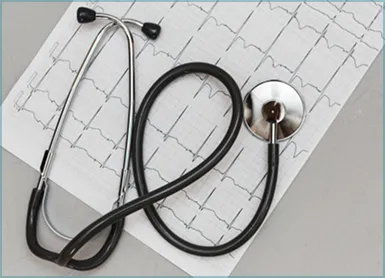
The heart beats too fast, too slow, or irregularly. These rhythm disturbances affect blood flow and increase the risk of further complications.

Stroke
Reduced or blocked blood flow to the brain, often from clots, can result in a stroke. A serious complication linked to advanced heart disease.

Cardiac Arrest
A sudden loss of heart function due to electrical failure. Unlike a heart attack, this affects the heart’s electrical system and requires immediate emergency care.
How Is Heart Disease Diagnosed?
Many people wait for clear symptoms before getting tested. But conditions like CAD and ischaemic heart disease often exist without obvious warning signs.A note worth knowing: ECG shows electrical
|
Test
|
What it shows
|
|---|---|
|
Electrocardiogram (ECG)
|
Electrical activity of the heart; detects rhythm abnormalities and signs of prior damage
|
|
2D Echocardiography (2D Echo)
|
Heart structure, valve function, chamber size, and ejection fraction
|
|
Stress Test (TMT)
|
How the heart performs under physical exertion
|
|
Blood Tests
|
Cholesterol, blood sugar levels, and inflammation markers
|
|
Angiography
|
Blockages in the coronary arteries; most definitive test for CAD
|
signals and past damage. 2D Echo shows physical structure and pumping efficiency. Together they give a far more complete picture than either alone.
Heart Disease Treatment Options
Conventional treatment
|
Approach
|
What it does
|
|---|---|
|
Statins
|
Lower LDL cholesterol
|
|
ACE inhibitors / ARBs
|
Reduce blood pressure and protect the heart
|
|
Antiplatelet drugs (aspirin)
|
Prevent blood clots
|
|
Blood Tests
|
Angioplasty (PCI)
|
|
Angiography
|
Blockages in the coronary arteries; most definitive test for CAD
|
|
Bypass Surgery (CABG)
|
Reroutes blood flow around blocked arteries using vessels from elsewhere in the body
|
Medications play an important role in managing heart disease. However, they primarily control symptoms and risk factors. They do not reverse the underlying plaque or metabolic damage.
The Madhavbaug approach: non-invasive, root-cause treatment
At Madhavbaug, most cases of stable heart disease can be addressed safely and effectively without surgical intervention. The principle is simple: treat the root cause, not just the blockage.
The root causes are metabolic dysfunction, chronic inflammation, oxidative stress, insulin resistance, and endothelial damage. All of these can be corrected through integrated Ayurvedic care supported by modern diagnostics.
Research supports this approach. Studies on intensive lifestyle intervention have demonstrated measurable regression in coronary artery stenosis. Published research on Panchakarma-based cardiac protocols (Journal of Ayurveda and Integrative Medicine, 2025; Journal of Indian College of Cardiology, 2022) shows improvements in aerobic capacity, global longitudinal strain scores, and reduced dependency on medications.

Hruday Shuddhikaran: the signature heart treatment program
|
Component
|
What it does
|
|---|---|
|
Panchakarma therapies (Snehana, Swedana, Basti)
|
Detoxification of blood vessels and metabolic channels; reduces Ama
|
|
Hridaydhara (oil dripping therapy)
|
Supports cardiac muscle function and reduces stress on the heart
|
|
Proprietary Ayurvedic formulations
|
Reduces inflammation, supports cardiac muscle, corrects lipid metabolism
|
|
Dietary correction program
|
Anti-inflammatory, heart-healthy diet designed by clinical nutritionists
|
|
Yoga and pranayama therapy
|
Reduces stress hormones, improves cardiac output and oxygen utilisation
|
|
Modern diagnostic monitoring
|
ECG, 2D Echo, and blood panels at baseline and key milestones
|
|
Doctor-supervised care
|
Qualified physician reviews and adjusts the protocol throughout
|
Patients enrolled in the Hruday Shuddhikaran program typically report measurable improvements in exercise capacity, reduction in chest pain, improved lipid profiles, and better glycaemic control, all documented through clinical testing.
What Diet and Lifestyle Changes Improve Heart Health?
No treatment, whether conventional or Ayurvedic, works in isolation. Sustainable heart health requires daily choices that reduce inflammation, support metabolic correction, and nourish the heart.
Diet
- Favour whole grains: millets (jowar, bajra, ragi), oats, and brown rice over refined carbohydrates
- At least 5 servings of vegetables and fruit daily, with emphasis on leafy greens, tomatoes, and berries
- Choose healthy fats: cold-pressed oils (sesame, groundnut, mustard), walnuts, and flaxseeds
- Keep sodium under 2g per day and read labels on packaged foods carefully
- Avoid trans fats, processed meats, fried snacks, and excess sugar
- Include cardiac-friendly herbs: turmeric, garlic, ginger, amla, and arjuna bark under medical guidance
- Eat smaller, more frequent meals rather than large heavy ones
Lifestyle
- 30 minutes of moderate-intensity walking, 5 days a week. Start slow and build gradually.
- Pranayama (Anulom Vilom, Bhramari) daily for 15 to 20 minutes to reduce cortisol.
- 7 to 8 hours of quality sleep. Poor sleep raises inflammatory markers and blood pressure.
- Quit smoking and tobacco completely. There is no safe level of tobacco use for the heart.
- Manage stress actively through meditation, journaling, or support groups.
- Limit alcohol to the absolute minimum or eliminate it entirely.

What Is the Most Effective Way to Prevent Heart Disease?
The best treatment for heart disease is preventing it in the first place. Most cardiovascular risk factors are entirely within your control.
- Annual health check-ups after age 40 covering lipid profile, blood sugar, ECG, and blood pressure
- Keep LDL below 100 mg/dL, blood pressure under 130/80, and HbA1c below 7%
- Even a 5 to 10% reduction in body weight significantly lowers cardiac risk
- Sedentary behaviour is now classified as an independent cardiac risk factor. Move daily.
- Manage diabetes and hypertension proactively. Both accelerate CAD progression.
- Reduce chronic stress. It is as damaging to your heart as high cholesterol.
- Consider periodic Ayurvedic detox and metabolic correction as part of long-term preventive care.
What Is the Most Effective Way to Prevent Heart Disease?
Heart disease is serious, but it is not a sentence. With the right diagnosis, the right care, and the right daily habits, your body has a remarkable ability to heal.
At Madhavbaug, we have helped tens of thousands of patients manage and reverse heart disease without rushing into surgery. Our approach is rooted in science, supported by Ayurveda, and measured through diagnostics.
Frequently Asked Questions
What is coronary artery disease and how is it different from a heart attack?
Coronary artery disease (CAD) is a chronic condition where the arteries supplying blood to the heart gradually narrow due to plaque buildup. A heart attack occurs when one of these narrowed arteries becomes completely blocked, cutting off blood supply to part of the heart muscle. CAD is the leading cause of heart attacks.
Can heart blockage be treated without surgery?
In many cases of stable coronary artery disease with partial blockages, non-surgical approaches — including lifestyle changes, medications, and integrated Ayurvedic treatment — can effectively manage and even reverse the condition. Madhavbaug’s HRIDAY SHUDDHI program is specifically designed for non-invasive heart blockage treatment.
Is it possible to reverse heart disease?
Yes, reversal of heart disease is scientifically supported, particularly for lifestyle-driven coronary artery disease. Studies have shown that comprehensive lifestyle interventions, metabolic correction, and evidence-based Ayurvedic care can reduce plaque burden, improve heart function, and restore quality of life.
What are the early signs of heart disease I should watch for?
Early signs include unexplained fatigue, shortness of breath during mild exertion, chest tightness or pressure, palpitations, and ankle swelling. In women, symptoms may present as nausea, jaw pain, or unusual exhaustion. Any of these warrant a prompt cardiac evaluation.
How are heart disease symptoms different in women?
Women are less likely to experience the classic chest pain associated with heart disease. Instead, they more commonly present with fatigue, nausea, back or jaw pain, and shortness of breath. This makes symptoms of heart disease in women easier to miss, so regular screening is especially important.
What does a 2D Echo show that an ECG does not?
An ECG measures the electrical activity of the heart and detects rhythm abnormalities and signs of prior heart damage. A 2D Echo (echocardiogram) shows the physical structure of the heart — the size of chambers, how the valves are working, and crucially, the ejection fraction, which measures how efficiently the heart is pumping blood.
Is Ayurvedic treatment for heart disease safe alongside conventional medicines?
When administered under qualified medical supervision, Ayurvedic heart treatment is safe and complementary to conventional medicines. At Madhavbaug, all treatment protocols are designed by trained physicians who account for any existing medications. Patients should never modify their conventional medications without their doctor’s guidance.
What is the difference between ischemic heart disease and coronary artery disease?
Coronary artery disease describes the anatomical narrowing of the coronary arteries. Ischemic heart disease is the functional consequence — it refers specifically to the reduced blood (and oxygen) supply to the heart muscle that results from CAD. All ischemic heart disease arises from CAD, but not all CAD produces ischemia at rest.
When administered under qualified medical supervision, Ayurvedic heart treatment is safe and complementary to conventional medicines. At Madhavbaug, all treatment protocols are designed by trained physicians who account for any existing medications. Patients should never modify their conventional medications without their doctor’s guidance.