

Diabetes
A metabolic condition that can be reversed at the root

Introduction
Most people don’t get the full picture when they’re diagnosed with diabetes. They hear about metformin, insulin injections, and lifelong monitoring. But rarely about why it happened or whether it can actually be turned around.
Diabetes is not just one condition. It is an umbrella term that includes:
- Type 1 diabetes
- Type 2 diabetes
- Gestational diabetes
- Prediabetes and insulin resistance
All of these affect how your body produces or uses insulin, how it regulates blood sugar, and how your organs function over time. And today, in India, diabetes is no longer limited to older adults. Younger people are being diagnosed more often. Driven by sedentary lifestyles, chronic stress, poor diet, and silent metabolic dysfunction building up over years.
At its core, diabetes is not just a “sugar problem.” It is a metabolic imbalance that affects how your body processes energy, stores fat, and responds to insulin. Which also means something important. When you address the root cause. Your metabolism. The risk does not just get managed. It begins to come down.
This is exactly where the Madhavbaug approach starts. By combining modern diagnostics with evidence-based Ayurvedic therapies, the focus shifts from controlling diabetes management to restoring metabolic balance in a structured, monitored, and measurable way.
Clinical Perspective
What is Diabetes?
Diabetes is not one condition. It is a group of metabolic disorders that affect how your body produces, uses, or responds to insulin. Over time, this imbalance leads to rising blood sugar levels and long-term health damage.
The most common is Type 2 diabetes, where your cells gradually stop responding to insulin the way they should. Your pancreas compensates by producing more. Over time, it can’t keep up. Blood sugar rises. And that’s when the damage begins often quietly, long before symptoms appear. Conditions like diabetes mellitus, insulin resistant diabetes, and gestational diabetes all fall under type 2 diabetes.


What’s Actually Happening Inside Your Body
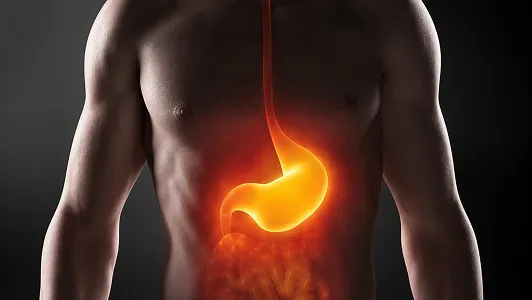
To understand types of diabetes, you need to understand what insulin is doing behind the scenes.
- Your pancreas produces insulin a hormone that acts like a key, allowing glucose to enter your cells and be used as energy
- In Type 1 diabetes, the immune system destroys insulin-producing cells completely. The key is no longer made
- In Type 2 diabetes, the key exists but the lock doesn’t respond. This is insulin resistance, one of the core diabetes causes
- As a result, glucose builds up in the bloodstream, leading to high blood sugar symptoms and long-term damage to blood vessels, nerves, kidneys, and eyes
Ayurvedic Perspective
What is the Ayurvedic Perspective on Diabetes?
In classical Ayurveda, diabetes falls under the category of Prameha, a group of metabolic disorders rooted in the dysfunction of the body’s fundamental systems of digestion, circulation, and tissue nourishment.
At the root are three interconnected imbalances:
Weakened Agni
The Metabolic Fire Agni governs how your body breaks down food and converts it into usable energy. When Agni is impaired through poor diet, irregular meals, chronic stress, or sedentary habits digestion becomes incomplete.
Your cells stop receiving the right signals. Insulin sensitivity drops. This is the Ayurvedic explanation for what modern medicine calls insulin resistant diabetes.
Accumulation of Ama
Metabolic Toxins Incomplete digestion leads to the buildup of Ama, a sticky, unprocessed residue that clogs the body’s channels. In the context of diabetes mellitus, Ama disrupts the pathways through which glucose is absorbed and utilised, driving blood sugar higher over time.
Kapha and Vata Imbalance
Excess Kapha creates heaviness, sluggishness, and poor metabolic efficiency closely mirroring obesity-linked Type 2 diabetes. As the condition progresses, Vata imbalance drives nerve damage, poor circulation, and the complications associated with long-term high blood sugar.
The symptoms of diabetes do not appear all of a sudden. There is a gradual shift through fatigue, weight gain, frequent infections, poor digestion, and uncontrolled blood sugar levels. Ayurveda treats these early signs as the real diagnosis

Types of Diabetes
What are the Types of Diabetes?
All diabetes conditions are not the same. Each type has its own causes, mechanisms, and progression. Understanding the difference is what leads to the right diabetes treatment, not just a generic one.
Type 1 Diabetes
- Autoimmune condition where immune system destroys insulin-producing beta cells
- Little to no insulin production and therefore insulin diabetes therapy is essential
- Typically diagnosed in childhood or early adulthood
- Not caused by lifestyle but lifestyle impacts management significantly
Type 2 Diabetes
- Most common form where cells stop responding to insulin effectively
- This is insulin resistant diabetes, driven by lifestyle and metabolic dysfunction
- The pancreas overcompensates until it can't keep up
- Most amenable to structured diabetes reversal through root-cause correction
Gestational Diabetes
- Develops during pregnancy due to hormonal changes impairing insulin sensitivity
- Typically resolves after delivery but raises future Type 2 risk
- Gestational diabetes treatment focuses on diet, monitoring, and medication where needed
- Protects both mother and child through structured care
Prediabetes
- Blood sugar elevated but not yet at formal diabetes diagnose threshold
- Most critical window entirely reversible with the right intervention
- Most people never know they have it
- Catching it here changes everything
MODY & Secondary Diabetes
- MODY genetic form, often misdiagnosed as Type 1 or Type 2
- Secondary diabetes develops from pancreatitis, hormonal disorders, or medications
- Requires specialised diagnosis and tailored diabetes treatment approach
Symptoms of Diabetes
What are the Symptoms of Diabetes?
Diabetes doesn’t always announce itself loudly. More often, it whispers through signs that are easy to dismiss as stress, overwork, or simply getting older. That’s the real danger. Recognising diabetes symptoms early is what separates timely intervention from a crisis that could have been prevented.
Common Diabetes Symptoms
- Frequent urination, especially at night
- Excessive thirst that doesn't go away
- Unexplained fatigue and low energy
- Blurred vision
- Slow-healing cuts or wound
- Recurring skin, gum, or bladder infections
Early Symptoms of Diabetes
- Increased hunger even after eating
- Mild tingling or numbness in the hands or feet
- Gradual unexplained weight loss (particularly Type 1)
- Feeling unusually tired after routine tasks
- Dark patches of skin around neck or armpits a sign of insulin resistance
High Blood Sugar Symptoms
- Severe headaches and difficulty concentrating
- Nausea or vomiting
- Shortness of breath
- Fruity or acetone-like breath odour
- Extreme thirst paired with frequent urination
- Sudden vision changes that requires immediate attention
Symptoms in Women
- Recurrent yeast infections or urinary tract infections
- PCOS linked to insulin resistance
- Extreme fatigue during or after pregnancy
- Unusual weight gain concentrated around the abdomen
- Hormonal irregularities that persist despite treatment
Symptoms in Men
- Reduced muscle strength and stamina
- Erectile dysfunction linked to vascular and nerve damag
- Low testosterone levels
- Increased abdominal fat despite regular activity
- Recurring fatigue that rest doesn't resolve
Causes & Risk Factor
What are the Causes and Risk Factors of Diabetes?
Understanding the real diabetes causes and risk factors puts you ahead of the curve. And that’s where real diabetes prevention begins.
Causes of Diabetes
Autoimmune Dysfunction
In Type 1 diabetes, the immune system mistakenly attacks the beta cells of the pancreas. The trigger is not fully understood, but genetic predisposition and environmental factors both play a role.
Insulin Resistance
The primary driver behind causes of diabetes mellitus in Type 2. Cells in the liver, muscle, and fat tissue stop responding effectively to insulin. The pancreas overcompensates until it can’t keep up.
Chronic Inflammation
Low-grade persistent inflammation disrupts insulin signalling at the cellular level. Processed food, excess visceral fat, and chronic stress all fuel this inflammatory state.
Hormonal Imbalance
During pregnancy, placental hormones can impair insulin sensitivity leading to gestational diabetes. PCOS, Cushing’s syndrome, and thyroid disorders also create blood sugar dysregulation.
Ayurvedic Root Causes
Impaired Agni leading to incomplete metabolism; Ama accumulation blocking cellular glucose absorption; Kapha aggravation from sedentary habits; Vata disruption from chronic stress.
Risk Factors of Diabetes
Family History & Genetics
A first-degree relative with diabetes significantly raises your risk. Genetics load the gun. Lifestyle pulls the trigger.
Obesity & Excess Abdominal Fat
Visceral fat drives inflammation, disrupts insulin signalling, and is one of the strongest modifiable risk factors for insulin resistant diabetes.
Physical Inactivity
A sedentary lifestyle means less active muscle, poorer glucose metabolism, and a steady climb toward high blood sugar.
Poor Dietary Patterns
Diets high in refined carbohydrates, sugar, trans fats, and ultra-processed foods chronically spike blood glucose and exhaust the pancreas.
Chronic Stress
Cortisol and adrenaline raise blood sugar directly. Chronic unmanaged stress is now recognised as an independent risk factor for diabetes.
Age
Risk increases significantly after 45 but in India, Type 2 diabetes is being diagnosed a full decade earlier than global averages.
Prediabetes & Metabolic Syndrome
If fasting blood sugar or HbA1c is already elevated even below the diabetes diagnosis threshold the risk of progression is high without active intervention.
Complications of Diabetes
What are the Complications of Diabetes?
Cardiovascular Disease
People with diabetes mellitus are two to four times more likely to develop heart disease or suffer a stroke. Chronically high blood sugar accelerates plaque buildup, drives inflammation, and damages blood vessel walls.
Diabetic Neuropathy (Nerve Damage)
Excess blood sugar gradually damages the nerves particularly in the legs and feet. If left unchecked this leads to complete loss of sensation, ulcers, infections, and in severe cases, amputation.
Diabetic Nephropathy (Kidney Damage)
High blood sugar damages the kidney’s filtering vessels over time. Left unchecked, diabetes can progress to chronic kidney disease requiring dialysis.
Diabetic Retinopathy(Vision Loss)
Diabetic retinopathy develops silently. Routine eye exams are the only way to catch it.
Diabetic Foot Complications
Reduced circulation and nerve damage create a dangerous combination. Minor cuts become deep infected wounds accounting for the majority of non-traumatic lower limb amputations worldwide.
Increased Susceptibility to Infections
High blood sugar impairs immune function. People with unmanaged diabetes mellitus experience more frequent and more severe skin infections, UTIs, and respiratory infections.
Cognitive Decline
Long-term high blood sugar is linked to increased risk of cognitive impairment and dementia. Insulin resistance in the brain disrupts memory, focus, and processing speed.
Depression & Mental Health Impact
The burden of managing a chronic condition, combined with physiological effects of blood sugar dysregulation on brain chemistry, significantly raises the risk of depression and anxiety.
How is Diabetes Diagnosed?
Fasting Blood Sugar (FBS)
After an 8-hour fast. Normal: <100 mg/dL; Prediabetes: 100–125; Diabetes: ≥126 (twice). Often the earliest change.
HbA1c (Glycated Haemoglobin)
Tracks 2–3 month average. Normal: <5.7%; Prediabetes: 5.7–6.4%; Diabetes: ≥6.5. Key for diabetes diagnose and management.
Fasting Insulin & HOMA-IR
Assesses insulin levels and resistance. Detects metabolic dysfunction before blood sugar rises.
Urine Tests
Identifies glucose leakage and early kidney damage (microalbuminuria) in advanced stages.
Lipid Profile & Inflammation Markers
Reveals cholesterol imbalance and inflammation linked to diabetes progression.
What are the Best Treatment Options for Diabetes?
Conventional Treatment Approaches
Oral Medications Most people diagnosed with Type 2 diabetes mellitus are prescribed one or more of the following:
Metformin : first-line medication, reduces glucose production in the liver
Sulfonylureas : stimulate the pancreas to produce more insulin
SGLT2 inhibitors : cause excess glucose to be excreted through the urine
DPP-4 inhibitors : help regulate blood sugar after meals
GLP-1 receptor agonists : slow digestion and reduce postprandial glucose spikes

Medications play an important role in diabetes management. However, they primarily control blood sugar levels. They do not correct the underlying insulin resistance or metabolic dysfunction driving the condition.
Insulin Therapy
When oral medications are insufficient or in cases of Type 1 insulin diabetes, insulin injections become necessary. But for many people with Type 2 diabetes, dependence on insulin diabetes therapy is not inevitable. It is the outcome of metabolic dysfunction that was never addressed at the root.

Limitations of Conventional Treatment
- Addresses the symptom elevated blood glucose and not the cause
- Long-term medication carries side effects including weight gain and kidney stress
- Sugar treatment through medication alone does not reverse insulin resistance
- Without lifestyle correction, medication requirements typically increase over time
- The psychological burden of lifelong dependency affects quality of life significantly
The Madhavbaug Approach: Non-Invasive, Root-Cause Diabetes Care
You don’t have to depend on Insulin forever. At Madhavbaug, we believe that most cases of Type 2 diabetes and many cases of prediabetes and insulin resistant diabetes can be addressed safely and effectively through structured, root-cause correction. The root cause is insulin resistance, chronic inflammation, impaired Agni, Ama accumulation, and lifestyle-driven metabolic breakdown all of which can be systematically corrected through integrated Ayurvedic care supported by modern diagnostics


Core Principles of Madhavbaug's Diabetes Care Protocol
- Non-invasive no surgery, no aggressive pharmaceutical escalation
- Metabolic correction addressing insulin resistance, obesity, inflammation, and hormonal imbalance together
- Integration of classical Ayurvedic therapies with modern diagnostic monitoring
- Measurable outcomes tracked through repeat HbA1c, fasting insulin, lipid profiles, and blood panels
- Structured, doctor-led programs with defined milestones and clear targets
- Reduction in medication dependence as a documented, measurable goal not just a promise
Madhavbaug Diabetes Reversal Program Integrated Protocol
Ayurvedic Panchakarma Therapies
Deep metabolic detox; reduces Ama and improves insulin sensitivity.
Proprietary Ayurvedic Formulations
Support pancreatic function, reduce inflammation, and correct lipid metabolism.
Doctor-Supervised Care
A dedicated physician tracks progress and adjusts treatment at every stage.
Diabetic Diet Chart Program
Structured low-glycaemic, anti-inflammatory diet designed by clinical nutritionists. At Madhavbaug, we provide a diet box named Prameh Diet Kit Pro 800kcal Low carbohydrate diet.
Yoga and Pranayama Therapy
Reduces cortisol, improves glucose uptake, and supports weight balance.
Modern Diagnostic Monitoring
Continuous tracking of sugar levels and metabolic markers for measurable outcomes.
Typical Patient Outcomes
- Measurable reduction in HbA1c within the first programme cycle(an average of 1.5% HBA1C reduction can be seen in a month)
- Significant improvement in fasting and postprandial blood sugar levels
- Reduction in medication requirements - documented and physician-supervised
- Weight loss concentrated around visceral fat
- Improved energy, sleep quality, and overall metabolic markers
What Diet and Lifestyle Changes Improve Diabetes Naturally?
No treatment whether conventional or Ayurvedic works in isolation. Sustainable diabetes reversal and long-term diabetes management require daily choices that reduce inflammation, restore insulin sensitivity, and correct the metabolic environment driving blood sugar dysregulation.
Diabetes-Friendly Diet Principles
How to control diabetes through food is one of the most searched questions in India. The answer is not a crash diet, it is a structured, sustainable shift in how you eat
Prioritise Low-Glycaemic Whole Grains
- Replace refined carbohydrates with whole grain alternatives
- Millets: jowar, bajra, ragi, foxtail millet – Oats and barley; brown rice and whole wheat
- Legumes: dal, rajma, chana slow-digesting and blood-sugar friendly
- A structured diabetic diet chart built around these foods forms the foundation of metabolic correction
Build Every Meal Around Fibre and Protein
- Vegetables: leafy greens, bitter gourd (karela), broccoli, capsicum, cucumber
- Legumes and lentils at every meal
- Eggs, fish, paneer, tofu for quality protein
- Nuts and seeds: almonds, walnuts, flaxseeds, chia seeds in measured quantities
Eliminate the Obvious and Hidden Culprits
- Packaged snacks, biscuits, and namkeen
- Fruit juices even 'natural' ones
- White rice consumed in large quantities at a single meal
- Sweetened yoghurt, flavoured milk, and 'health' drinks
- Reading labels is not optional. High sugar level treatment begins in the kitchen, not the pharmacy.
Ayurvedic Functional Foods
- Karela (bitter gourd) improves insulin sensitivity
- Methi (fenugreek seeds) slows carbohydrate absorption
- Amla (Indian gooseberry) antioxidant-rich, supports pancreatic function
- Turmeric anti-inflammatory, reduces insulin resistance
- Cinnamon shown to improve fasting blood sugar in multiple studies
- Jamun seeds traditionally used in Ayurvedic diabetes management
Eliminate the Obvious and Hidden Culprits
- Eat smaller, more frequent meals rather than large ones
- Never skip breakfast it sets your blood sugar rhythm for the day
- Avoid eating within 2–3 hours of sleeping
- Eat your largest carbohydrate serving earlier in the day
- Chew slowly meal pace directly affects postprandial glucose
Lifestyle Habits That Correct Diabetes at the Root
Move Every Day(Especially After Meals)
- 30–45 minutes of brisk walking, 5 days a week
- A 10–15 minute walk after meals significantly reduces postprandial blood sugar spikes
- Strength training twice a week increases muscle mass and glucose uptake capacity
- Consistency matters more than intens
Prioritise Sleep (It Is Not Optional)
- Target 7–8 hours of quality uninterrupted sleep
- Maintain consistent sleep and wake times even on weekends
- Poor sleep raises cortisol, which raises blood sugar
- Address sleep apnoea if present
Manage Stress Actively
- Practice pranayama daily: Anulom Vilom and Bhramari for 15–20 minutes
- Meditation even 10 minutes in the morning resets the cortisol response
- Recognise that diabetes management is as much a mental practice as a physical one
Monitor Consistently
- Track fasting and postprandial blood sugar regularly
- HBA1C is done every month to track reversal
- Note patterns which meals spike your sugar, which activities bring it down
- Share your data with your diabetes specialist at every visit
Quit Tobacco and Minimise Alcohol
- Both directly worsen insulin resistance
- They accelerate every complication of diabetes
- There is no safe level of tobacco for someone managing diabetes
What is the Most Effective Way to Prevent Diabetes?
The best diabetes treatment is preventing it in the first place. Many of the diabetes causes and risk factors are entirely within your control. Diabetes prevention is not about perfection. It is about consistent, informed choices made early enough to matter. India carries the second largest diabetes burden in the world. And yet, the majority of Type 2 diabetes cases are preventable
Who Should Be Thinking About Prevention Right Now?
- Has prediabetes or borderline fasting blood sugar
- Carries excess weight - particularly around the abdomen
- Lives a predominantly sedentary lifestyle
- Experiences chronic, unmanaged stress
- Has been diagnosed with PCOS, hypertension, or high triglycerides
- Is above 35 years of age and has never had a formal diabetes test
- Had gestational diabetes during a previous pregnancy

Key Prevention Strategies
Screen Early and Regularly
Insulin resistant diabetes develops silently over years, often before symptoms appear. Get a diabetes test (FBS, HbA1c, fasting insulin) early, timely diabetes diagnose gives the best chance for reversal.
Maintain a Healthy Weight
Losing 5–7% body weight can reduce the risk of diabetes mellitus by over 50%. Focus on reducing visceral fat and track waist circumference for true metabolic risk. The waist to height ratio should not be more than 0.5.
Move Consistently
Aim for 150 minutes of weekly activity with added strength training. Daily movement is the simplest way for how to control diabetes before it begins.
Fix Your Diet Early
Shift to whole grains, millets, and a structured diabetic diet chart approach. The same diet that supports reversal also strengthens diabetes prevention.
Manage Stress Actively
Chronic stress raises cortisol, which raises blood sugar and drives causes of diabetes mellitus. Use pranayama, meditation, or recovery routines to stabilise your metabolism.
Track Key Health Markers
Monitor HbA1c, fasting sugar, blood pressure, cholesterol, and waist size regularly. A diabetes specialist can guide a personalized prevention plan.
Support Metabolism Proactively
Periodic Ayurvedic detox can reduce inflammation and metabolic imbalance. True diabetes prevention starts before diagnosiswith consistent internal correction.