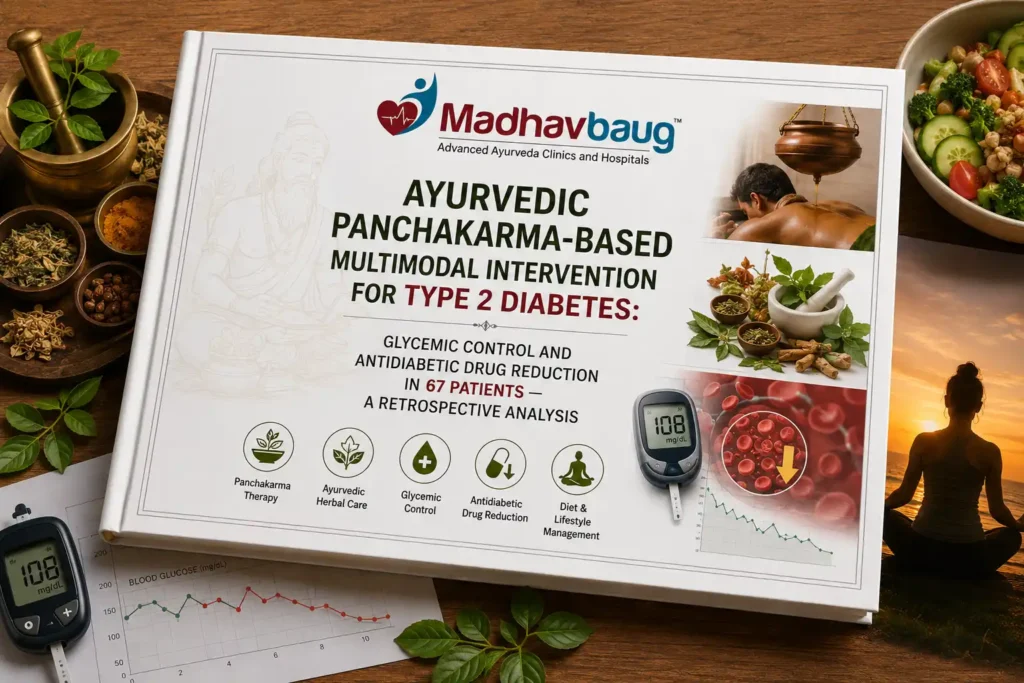
Type 2 diabetes mellitus (T2DM) is a growing metabolic burden in India, with conventional pharmacotherapy achieving suboptimal glycemic targets while requiring lifelong medication escalation. Ayurveda conceptualizes Prameha-the classical analogue of diabetes mellitus – as a disorder rooted in Kapha-Medovaha Srotas dysfunction, amenable to intervention through Panchakarma, dietary correction, and herbal formulations. Real-world evidence from structured Ayurvedic multimodal protocols remains limited. Download Research Book
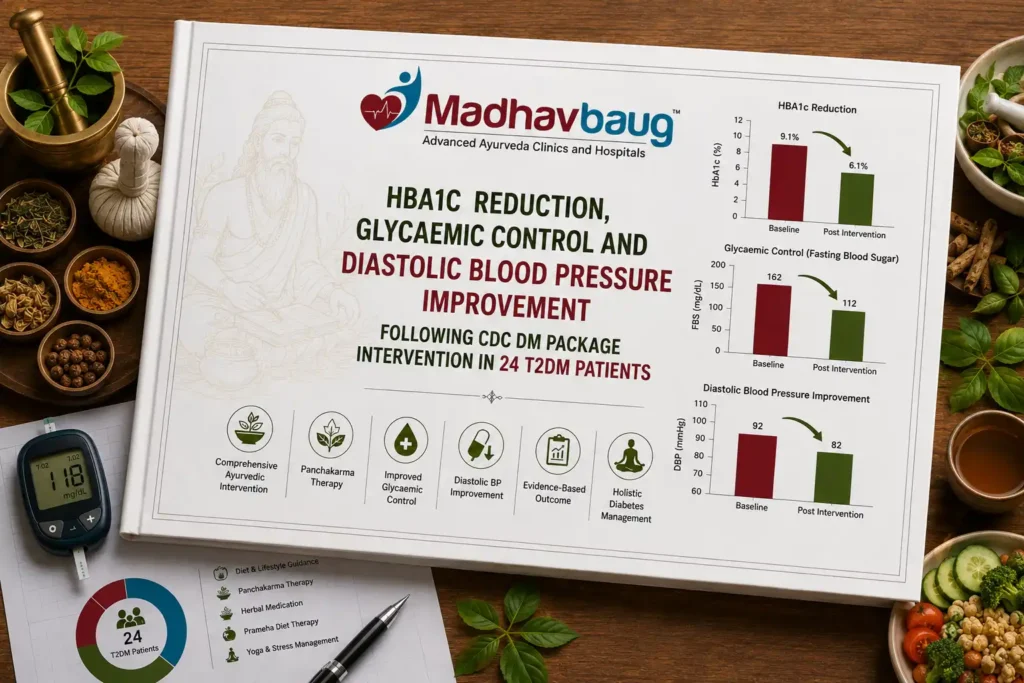
New Panvel’s DM Package cohort is strongly male-predominant (70.8%) with a high proportion of pure DM diagnoses (87.5%), representing a focused diabetic population without significant hypertension confounders. This provides a clean signal for evaluating the protocol’s direct glycaemic impact. Download Research Book
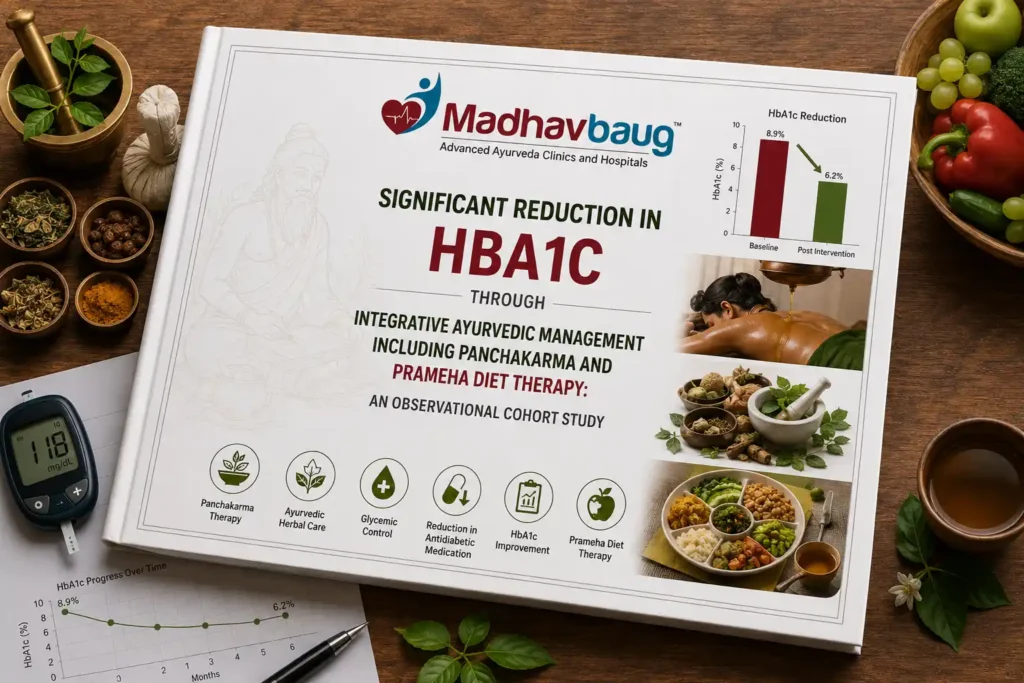
Type 2 Diabetes Mellitus (T2DM) is a growing global health crisis. Ayurvedic Panchakarma-based therapies, combined with structured dietary intervention, have been traditionally used for Prameha management, but real-world clinical outcome data remain scarce. Download Research Book
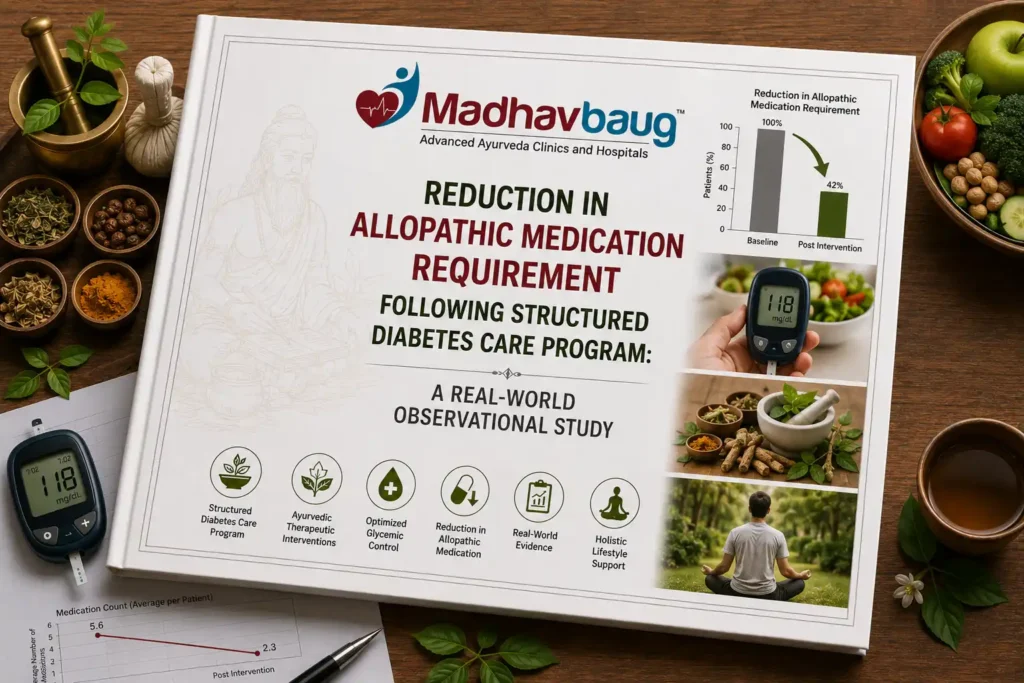
Type 2 diabetes mellitus (T2DM) remains a major non-communicable disease burden in India. Structured lifestyle-integrated diabetes care programs offer a promising strategy to reduce dependence on allopathic medications while improving metabolic control. Download Research Book
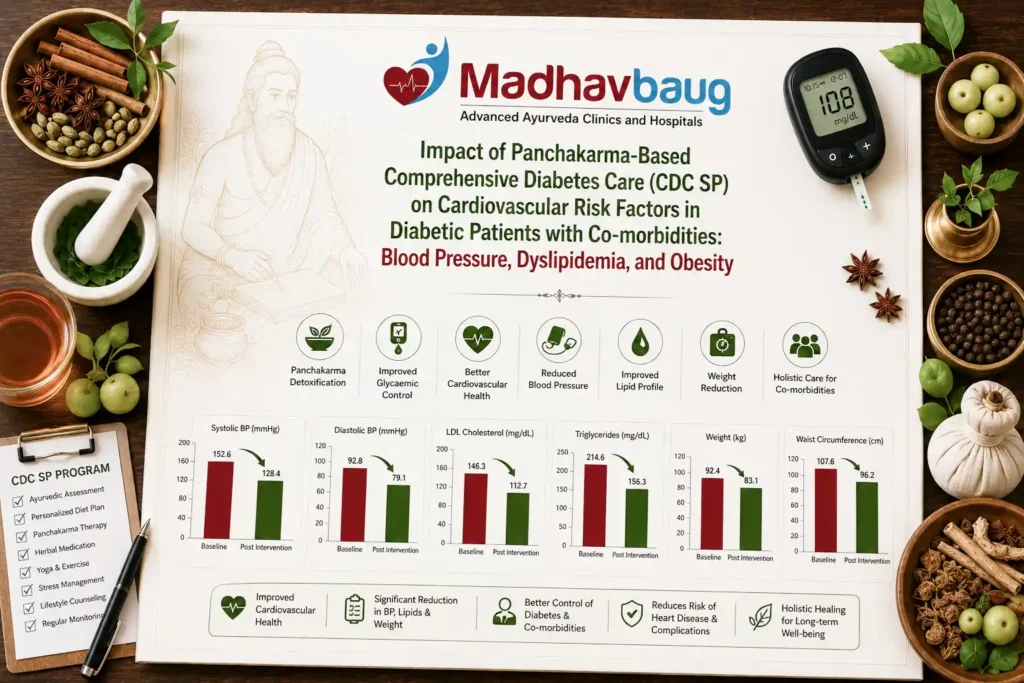
Cardiovascular risk factors including hypertension, dyslipidemia, and obesity are highly prevalent in patients with Type 2 Diabetes Mellitus (T2DM) and substantially elevate the risk of adverse cardiac events. Panchakarma-based Ayurvedic interventions offer a holistic therapeutic framework, yet robust clinical evidence quantifying their cardiovascular benefit in diabetic populations remains limited. Download Research Book
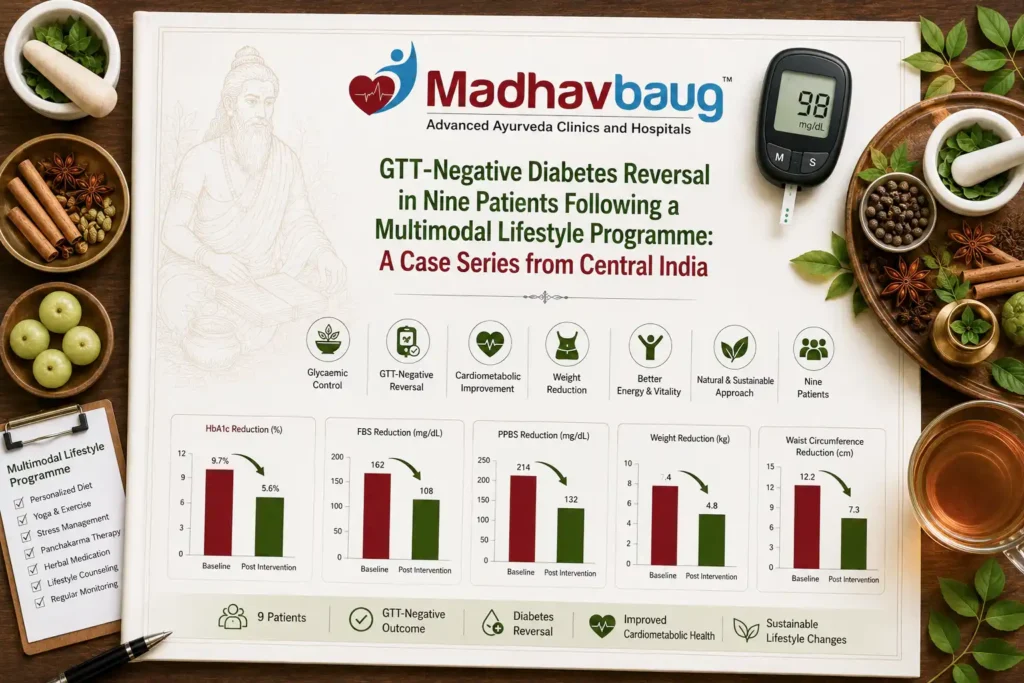
Type 2 diabetes mellitus (T2DM) is a progressive metabolic disorder traditionally managed with lifelong pharmacotherapy. The concept of sustained remission — defined as maintenance of glycated haemoglobin (HbA1c) below 6.5% for at least three months without glucose-lowering medications — has gained traction following landmark trials such as DiRECT. However, documentation of GTT-confirmed reversal in South Asian populations following a structured multimodal non-surgical programme remains sparse. Download Research Book
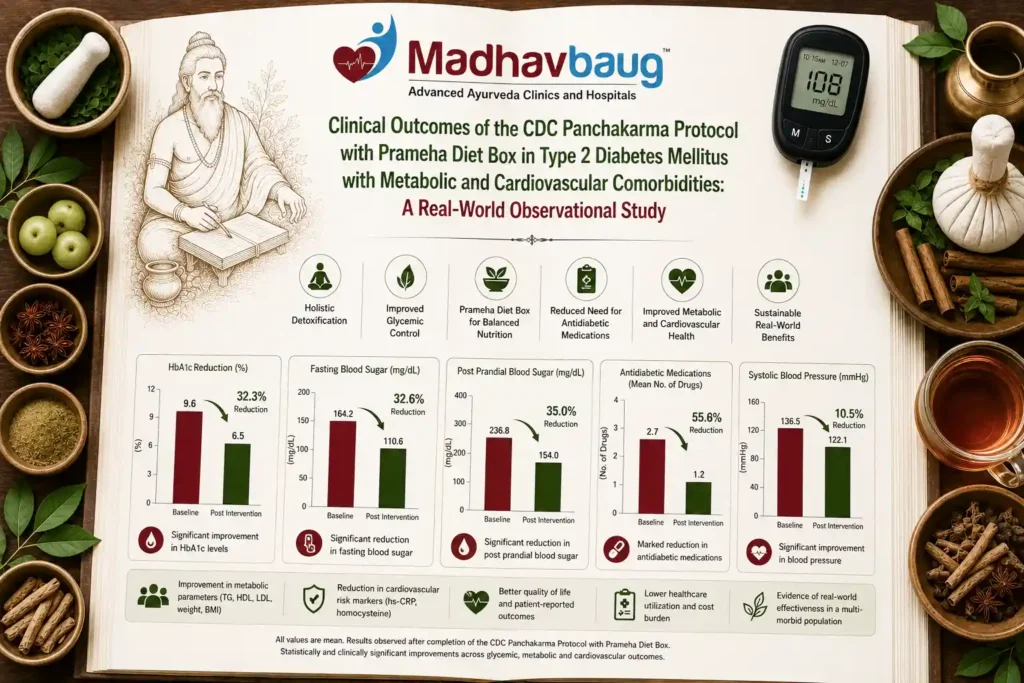
Type 2 Diabetes Mellitus (T2DM) in the setting of cardiovascular and metabolic comorbidities presents a complex therapeutic challenge. The CDC (Comprehensive Diabetes Care) Panchakarma Protocol — integrating Snehan, Swedhan, and Basti Panchakarma therapies with the 800-kcal Prameha Diet Box and individualized oral Ayurvedic herbal medications — was evaluated in a real-world cohort with a high prevalence of comorbid hypertension, dyslipidemia, and cardiac disease. Download Research Book

Heart disease remains one of the leading causes of death worldwide, and coronary artery blockage is one of its most common forms. When patients hear they have plaque buildup in their arteries, the immediate fear is that surgery or angioplasty will be necessary. However, modern cardiology has revealed that coronary artery disease is far more complex than simply “blocked pipes.” The condition involves inflammation, metabolic imbalance, endothelial dysfunction, and impaired blood circulation within both large and small vessels. Because of this, doctors now understand that improving overall vascular health can sometimes improve blood flow to the heart—even without invasive procedures. For many patients with stable coronary artery disease, comprehensive medical management, lifestyle correction, and structured heart blockage treatment without surgery may help stabilize plaque and improve circulation. In this article, we will explore whether heart blockage be reduced without surgery, how non-invasive approaches work, and what patients should realistically expect from such treatment strategies. What is Heart Blockage and Can Heart Blockage Be Reduced Without Surgery? Heart blockage refers to the narrowing of coronary arteries due to plaque buildup. Plaque is composed of cholesterol, fats, calcium, inflammatory cells, and other substances that accumulate inside artery walls. Over time, plaque reduces the diameter of arteries and restricts blood flow to the heart muscle. This condition is medically known as coronary artery disease (CAD). However, the degree of narrowing alone does not always determine how well blood reaches the heart. Doctors now use physiological measures such as: Fractional Flow Reserve (FFR) – measures pressure differences across a blockage Coronary Flow Reserve (CFR) – measures the ability of arteries to increase blood flow Myocardial Blood Flow (MBF) – evaluates circulation to the heart muscle Interestingly, even modest improvements in vessel diameter or endothelial function can significantly improve blood flow because circulation depends heavily on arterial radius and vascular flexibility. This explains why, in some cases, improving vascular health can enhance circulation without immediately resorting to surgical intervention. Why Understanding If Heart Blockage Can Be Reduced Without Surgery is Important Many patients assume that any blockage automatically requires angioplasty or bypass surgery. While these procedures are lifesaving in emergency situations, not every case requires immediate intervention. Understanding the possibility of heart blockage treatment without surgery is important because: 1. Not All Blockages Cause Immediate Risk Some plaques are stable and do not significantly restrict blood flow. 2. Lifestyle Factors Drive Disease Progression Inflammation, obesity, diabetes, stress, and metabolic imbalance contribute significantly to plaque formation. 3. Plaque Stability Matters Research shows that stabilizing plaques and reducing inflammation may reduce the risk of heart attacks. 4. Early Intervention Can Slow Disease Lifestyle modification and medical therapy can improve vascular health before blockages become critical. This is why many cardiologists now emphasize comprehensive disease management rather than only mechanical solutions. Key Factors That Influence Heart Blockage Reduction Reducing or stabilizing heart blockage involves addressing several underlying factors. 1. Inflammation Control Chronic inflammation contributes to plaque buildup and instability. 2. Lipid Metabolism Managing cholesterol levels helps reduce plaque progression. 3. Endothelial Function Healthy blood vessel lining improves circulation and flexibility. 4. Microcirculation Small blood vessels also play a critical role in oxygen delivery. 5. Metabolic Health Conditions such as diabetes, insulin resistance, and obesity accelerate coronary artery disease. Table: Key Drivers of Coronary Artery Disease Risk Factor Impact on Heart High cholesterol Plaque formation Inflammation Artery wall damage Diabetes Accelerates plaque buildup Sedentary lifestyle Reduces vascular health Chronic stress Raises blood pressure and inflammation Poor diet Worsens metabolic imbalance Addressing these factors forms the foundation of non-invasive cardiac care strategies. How Heart Blockage Reduction Without Surgery Works Non-surgical management focuses on improving vascular health and circulation through a comprehensive approach. 1. Lifestyle Therapy Lifestyle changes are one of the most powerful interventions. These include: Regular physical activity Weight management Smoking cessation Stress management Balanced diet Exercise improves endothelial function and enhances circulation. 2. Medical Therapy Doctors often prescribe medications to manage: Cholesterol Blood pressure Platelet aggregation Inflammation Studies such as the COURAGE trial demonstrated that optimal medical therapy can be highly effective in stable coronary artery disease. 3. Metabolic Correction Programs Structured programs that address metabolic health aim to: Improve insulin sensitivity Reduce systemic inflammation Enhance vascular function Programs like the Madhavbaug Intensive Reversal Program (IRP) combine lifestyle correction with metabolic therapy. Clinical observations have reported improvements in plaque stability and physiological parameters such as FFR in some patients. 4. Integrative Therapies Some patients explore ayurvedic treatment for heart blockage as part of an integrative care plan. These approaches typically focus on: Detoxification therapies Herbal formulations Circulation support Metabolic balance Stress reduction While research is ongoing, integrative approaches aim to support vascular health alongside conventional care. Common Problems and Mistakes Patients Make Patients diagnosed with heart blockage often make several mistakes that may worsen their condition. Ignoring Lifestyle Factors Medication alone cannot correct poor diet and sedentary habits. Relying on Quick Fixes No therapy can reverse years of arterial damage instantly. Delaying Medical Evaluation Some patients avoid treatment out of fear of surgery. Self-Medication Unverified supplements or herbal remedies can sometimes interact with prescribed medicines. Misinterpreting Test Results A percentage blockage does not always indicate immediate risk. Proper medical evaluation is essential before choosing any treatment path. Expert Tips to Improve Heart Health Without Surgery If you are exploring heart blockage treatment without surgery, these evidence-based practices can support heart health. Maintain a Heart-Healthy Diet Focus on: Whole grains Vegetables Fruits Healthy fats Lean protein Avoid processed foods and trans fats. Exercise Regularly At least 150 minutes of moderate activity per week is recommended by the American Heart Association. Manage Stress Chronic stress raises cortisol levels and increases cardiovascular risk. Effective methods include: Yoga Meditation Breathing exercises Monitor Health Parameters Regular checkups should include: Lipid profile Blood sugar Blood pressure Weight and waist circumference Follow Doctor-Guided Therapy Treatment plans should always be supervised by a qualified physician. FAQs About Reducing Heart Blockage Without Surgery 1. Can heart blockage really be reduced without surgery? In some stable cases,

Heart disease was once considered a health issue affecting mainly older adults. However, over the last ten years, doctors have seen a worrying shift. Heart blockages are now being diagnosed more often in young professionals, especially those in the IT sector. Long working hours, chronic stress, irregular meals, late-night work schedules, and sedentary lifestyles are silently damaging heart health among young professionals. While modern medicine studies the link between lifestyle and heart disease today, Ayurveda described it thousands of years ago. It is mentioned in texts like the Charaka Samhita. According to Ayurveda, the heart (Hridaya) is not just a pump that circulates blood. It is deeply connected with the mind (Manas), digestion (Agni), sleep (Nidra), and emotional balance. The Heart–Mind Connection in Ayurveda Ayurveda recognises the heart as the center of consciousness and emotional health. The Charaka Samhita describes: “हृदयं चेतनास्थानम्”The heart is the seat of consciousness. Ayurveda explains that emotions such as fear, anxiety, grief, anger, and prolonged stress disturb the balance of Vata and Pitta doshas. Over time, this imbalance affects circulation and may contribute to cardiac disorders. In modern terms, this translates into stress-induced cardiovascular damage, which is now widely recognised by cardiologists. Modern Research: How Stress Damages the Heart Scientific research confirms that chronic stress activates the sympathetic nervous system, triggering several harmful effects: Increased heart rate Elevated blood pressure Inflammation in blood vessels Damage to arterial walls These changes significantly increase the risk of coronary artery disease, arrhythmias, and heart attacks. For many IT professionals, daily work life includes: Long working hours Tight project deadlines Continuous screen exposure Limited physical activity Constant mental pressure Over time, this combination can gradually damage cardiovascular health. Food Habits and Rising Heart Disease Another major factor behind rising heart blockages in young professionals is poor eating habits. Many IT professionals: Skip meals due to work pressure Eat late at night Consume processed food frequently Depend heavily on caffeine and sugary beverages Ayurveda had long recognised the impact of improper diet on disease. The Charaka Samhita states: “अहित आहार सेवनात् रोगाः उत्पद्यन्ते”Improper food habits lead to disease. According to Ayurveda, irregular eating weakens Agni (digestive fire) and produces Ama (metabolic toxins). These toxins circulate through the body and block channels (Srotas), including those responsible for circulation. Modern Science on Diet and Heart Health Modern cardiology strongly supports the role of diet in cardiovascular disease. Unhealthy eating patterns contribute to: Obesity Diabetes High cholesterol Chronic inflammation All of these are major risk factors for coronary artery disease and heart blockages. The Role of Sleep in Heart Health Ayurveda considers sleep (Nidra) one of the three pillars of health, along with diet and lifestyle. The Charaka Samhita explains: “निद्रा सम्यक् सुखं दुःखं पुष्टिं कार्श्यं बलाबलम्” Meaning: Proper sleep determines happiness, nourishment, strength, and overall well-being. Sleep deprivation disturbs hormonal balance and weakens the cardiovascular system. Modern Research on Sleep and Cardiovascular Disease Medical studies show that poor sleep can increase the risk of: Hypertension Coronary artery disease Heart failure Arrhythmias Irregular sleep patterns increase cortisol levels, metabolic dysfunction, and inflammation, which contribute to plaque formation in arteries. The Modern Lifestyle Trap for IT Professionals A typical IT lifestyle often includes: Prolonged sitting Continuous mental stress Irregular meals High caffeine intake Minimal physical activity Late-night work schedules These factors contribute to obesity, diabetes, hypertension, and heart disease—conditions collectively known as non-communicable diseases (NCDs). The Ayurvedic Approach to Preventing Lifestyle Diseases Ayurveda focuses on correcting the root causes of disease, rather than only managing symptoms. Key principles include: Balanced and timely diet Stress management practices Adequate sleep Detoxification therapies Structured lifestyle correction These approaches help restore balance in the body and improve cardiovascular health. For patients diagnosed with coronary artery disease, Ayurvedic treatment for heart blockage focuses on improving circulation, supporting vascular health, correcting metabolism, and addressing lifestyle triggers. The Madhavbaug Integrative Approach Madhavbaug combines Ayurvedic principles with modern diagnostics to create structured programs for lifestyle disease management. These programs focus on: metabolic correction cardiovascular risk reduction improved circulation lifestyle modification More than 150 research papers published in national and international journals have evaluated the effectiveness of these integrative programs in improving heart health and metabolic disorders. Such structured approaches aim to support long-term heart blockage treatment while addressing the root lifestyle factors that contribute to disease progression. Why Early Action Matters Heart blockages do not develop overnight. They gradually progress over years due to lifestyle factors. Early intervention can significantly reduce risk and improve long-term cardiovascular health. Warning Signs Young Professionals Should Not Ignore Many early symptoms of heart disease are subtle and often ignored. Watch for: Persistent fatigue Chronic stress and anxiety Irregular sleep patterns Sudden weight gain Diabetes or high cholesterol Family history of heart disease Recognising these signals early can help prevent serious cardiac events. Take the First Step Toward a Healthier Heart Heart disease among young professionals is increasing, but the good news is that it can often be prevented and managed through timely lifestyle changes. Consulting a qualified doctor can help you: Understand your heart health status Identify lifestyle risk factors Receive a personalised treatment plan Begin a structured lifestyle correction program Your heart works tirelessly every day. Taking care of it today can protect your health for decades to come.
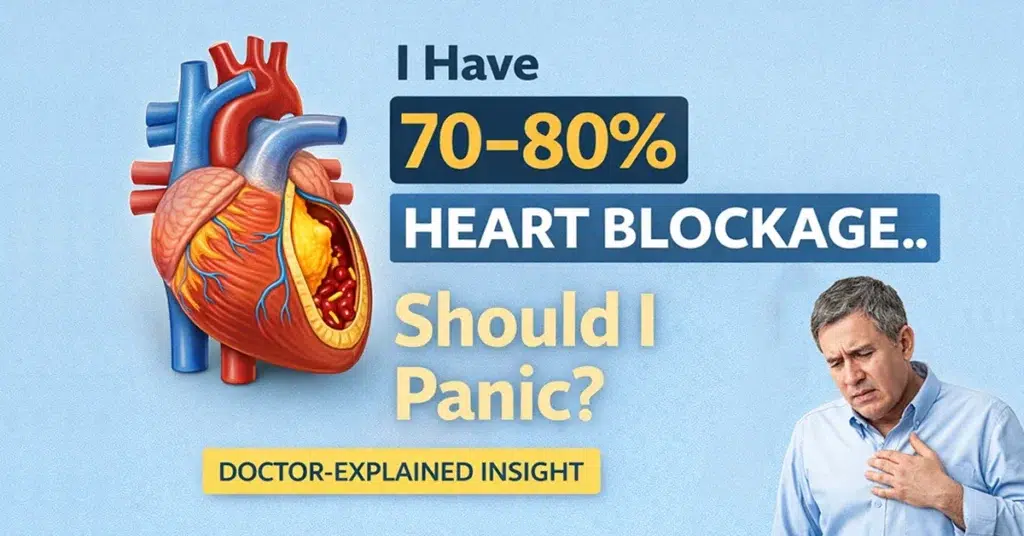
Hearing that you have 70-80% heart blockage can be frightening. Many patients immediately assume the worst — that a heart attack is about to happen or that emergency surgery is the only option. But the reality is more nuanced. The percentage of blockage seen on an angiogram does not always tell the full story about how much blood is actually reaching your heart muscle. Two individuals with the same blockage percentage may have very different blood flow and symptoms. Understanding how the heart’s circulation works can help you make informed decisions and avoid unnecessary panic. Does 70-80% Heart Blockage Always Mean Immediate Danger? Not necessarily. When doctors evaluate coronary artery disease, they consider more than just the visible narrowing of the artery. Blood flow to the heart depends on several factors: Size of the artery Flexibility of blood vessels Health of the inner vessel lining (endothelium) Microcirculation in smaller vessels Overall blood flow dynamics Because of these factors, a blockage that appears severe on imaging may not always significantly restrict blood supply to the heart muscle. How Doctors Assess Whether a Blockage Is Actually Dangerous Modern cardiology uses advanced tools to determine whether a blockage is truly affecting blood flow. Fractional Flow Reserve (FFR) Fractional Flow Reserve (FFR) is a specialised test performed during angiography. It measures pressure differences across the narrowed artery. This helps doctors determine whether the blockage is actually reducing blood flow. FFR above 0.80: Blood flow is usually adequate FFR below 0.80: Blood flow may be significantly restricted This means that even with a 70–80% narrowing, the blood supply may still be sufficient in some patients. Coronary Flow Reserve (CFR) Another important concept is coronary flow reserve (CFR). CFR measures how well the coronary arteries can increase blood flow when the body demands more oxygen, such as during exercise. If CFR is reduced, it suggests the heart cannot increase circulation adequately under stress. What Do Major Clinical Studies Say? Several major international studies have examined how heart blockages should be treated. FAME Trial The FAME trial showed that decisions based on FFR measurements often lead to better outcomes compared with decisions based purely on angiography images. COURAGE Trial The COURAGE trial found that optimal medical therapy and lifestyle changes can be as effective as angioplasty in many patients with stable coronary artery disease. ORBITA Trial The ORBITA trial further highlighted the strong role of medical therapy and symptom management in stable heart disease. These studies reinforce an important point:Blockage percentage alone does not determine the best treatment approach. Why Heart Blockages Develop in the First Place Heart disease usually develops gradually over many years. Several factors contribute to plaque formation in arteries: Chronic inflammation Diabetes and insulin resistance High cholesterol Sedentary lifestyle Smoking Obesity Endothelial dysfunction Addressing these root causes plays a crucial role in improving circulation and stabilising plaques. Can Non-Invasive Approaches Help Improve Circulation? In stable cases, many doctors now focus on improving vascular health rather than immediately opting for invasive procedures. Lifestyle-focused heart blockage treatment strategies often include: Diet modification Weight management Exercise programs Stress reduction Metabolic correction Medical therapy when required These approaches aim to improve blood flow, stabilise plaques, and reduce symptoms. In integrative care settings, ayurvedic treatment for heart blockage may focus on improving endothelial function, supporting circulation, reducing inflammation, and addressing metabolic imbalance through personalised therapies and lifestyle correction. The Most Important Takeaway If you are diagnosed with a 70–80% blockage, it does not automatically mean a heart attack is imminent. What matters more is: Your symptoms Blood flow measurements (FFR/CFR) Overall cardiovascular health Lifestyle and metabolic factors A personalised evaluation helps doctors determine whether invasive procedures are necessary or whether structured heart blockage treatment strategies can effectively manage the condition. Final Message for Patients Hearing the words “70–80% blockage” can sound alarming, but panic is rarely the right response. Instead: Seek proper evaluation Understand the physiological impact of the blockage Discuss treatment options thoroughly with your doctor In many cases, stabilising the disease and improving circulation through medical management and lifestyle changes can significantly improve outcomes. Knowledge reduces fear — and informed decisions protect your heart.

