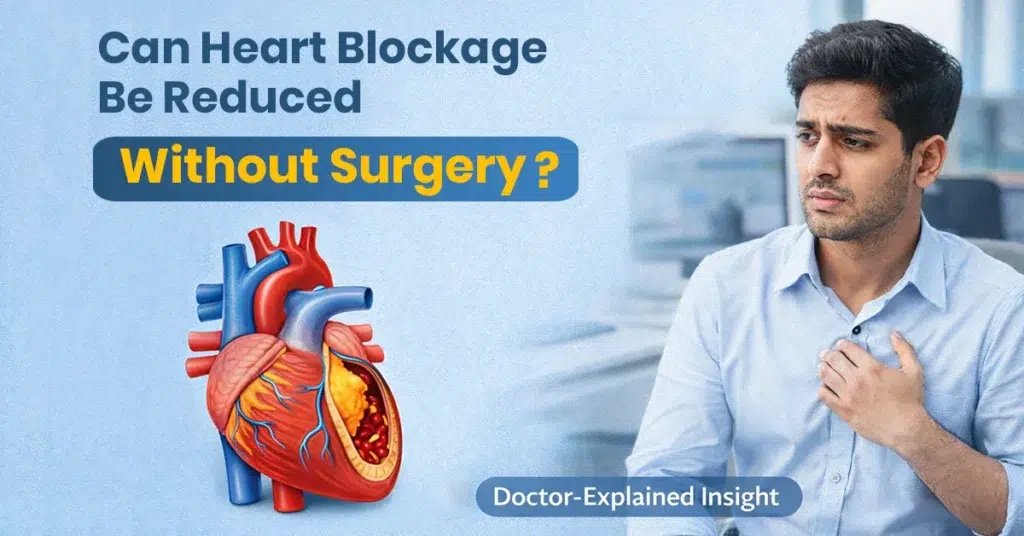
Heart disease remains one of the leading causes of death worldwide, and coronary artery blockage is one of its most common forms. When patients hear they have plaque buildup in their arteries, the immediate fear is that surgery or angioplasty will be necessary. However, modern cardiology has revealed that coronary artery disease is far more complex than simply “blocked pipes.” The condition involves inflammation, metabolic imbalance, endothelial dysfunction, and impaired blood circulation within both large and small vessels. Because of this, doctors now understand that improving overall vascular health can sometimes improve blood flow to the heart—even without invasive procedures. For many patients with stable coronary artery disease, comprehensive medical management, lifestyle correction, and structured heart blockage treatment without surgery may help stabilize plaque and improve circulation. In this article, we will explore whether heart blockage be reduced without surgery, how non-invasive approaches work, and what patients should realistically expect from such treatment strategies. What is Heart Blockage and Can Heart Blockage Be Reduced Without Surgery? Heart blockage refers to the narrowing of coronary arteries due to plaque buildup. Plaque is composed of cholesterol, fats, calcium, inflammatory cells, and other substances that accumulate inside artery walls. Over time, plaque reduces the diameter of arteries and restricts blood flow to the heart muscle. This condition is medically known as coronary artery disease (CAD). However, the degree of narrowing alone does not always determine how well blood reaches the heart. Doctors now use physiological measures such as: Fractional Flow Reserve (FFR) – measures pressure differences across a blockage Coronary Flow Reserve (CFR) – measures the ability of arteries to increase blood flow Myocardial Blood Flow (MBF) – evaluates circulation to the heart muscle Interestingly, even modest improvements in vessel diameter or endothelial function can significantly improve blood flow because circulation depends heavily on arterial radius and vascular flexibility. This explains why, in some cases, improving vascular health can enhance circulation without immediately resorting to surgical intervention. Why Understanding If Heart Blockage Can Be Reduced Without Surgery is Important Many patients assume that any blockage automatically requires angioplasty or bypass surgery. While these procedures are lifesaving in emergency situations, not every case requires immediate intervention. Understanding the possibility of heart blockage treatment without surgery is important because: 1. Not All Blockages Cause Immediate Risk Some plaques are stable and do not significantly restrict blood flow. 2. Lifestyle Factors Drive Disease Progression Inflammation, obesity, diabetes, stress, and metabolic imbalance contribute significantly to plaque formation. 3. Plaque Stability Matters Research shows that stabilizing plaques and reducing inflammation may reduce the risk of heart attacks. 4. Early Intervention Can Slow Disease Lifestyle modification and medical therapy can improve vascular health before blockages become critical. This is why many cardiologists now emphasize comprehensive disease management rather than only mechanical solutions. Key Factors That Influence Heart Blockage Reduction Reducing or stabilizing heart blockage involves addressing several underlying factors. 1. Inflammation Control Chronic inflammation contributes to plaque buildup and instability. 2. Lipid Metabolism Managing cholesterol levels helps reduce plaque progression. 3. Endothelial Function Healthy blood vessel lining improves circulation and flexibility. 4. Microcirculation Small blood vessels also play a critical role in oxygen delivery. 5. Metabolic Health Conditions such as diabetes, insulin resistance, and obesity accelerate coronary artery disease. Table: Key Drivers of Coronary Artery Disease Risk Factor Impact on Heart High cholesterol Plaque formation Inflammation Artery wall damage Diabetes Accelerates plaque buildup Sedentary lifestyle Reduces vascular health Chronic stress Raises blood pressure and inflammation Poor diet Worsens metabolic imbalance Addressing these factors forms the foundation of non-invasive cardiac care strategies. How Heart Blockage Reduction Without Surgery Works Non-surgical management focuses on improving vascular health and circulation through a comprehensive approach. 1. Lifestyle Therapy Lifestyle changes are one of the most powerful interventions. These include: Regular physical activity Weight management Smoking cessation Stress management Balanced diet Exercise improves endothelial function and enhances circulation. 2. Medical Therapy Doctors often prescribe medications to manage: Cholesterol Blood pressure Platelet aggregation Inflammation Studies such as the COURAGE trial demonstrated that optimal medical therapy can be highly effective in stable coronary artery disease. 3. Metabolic Correction Programs Structured programs that address metabolic health aim to: Improve insulin sensitivity Reduce systemic inflammation Enhance vascular function Programs like the Madhavbaug Intensive Reversal Program (IRP) combine lifestyle correction with metabolic therapy. Clinical observations have reported improvements in plaque stability and physiological parameters such as FFR in some patients. 4. Integrative Therapies Some patients explore ayurvedic treatment for heart blockage as part of an integrative care plan. These approaches typically focus on: Detoxification therapies Herbal formulations Circulation support Metabolic balance Stress reduction While research is ongoing, integrative approaches aim to support vascular health alongside conventional care. Common Problems and Mistakes Patients Make Patients diagnosed with heart blockage often make several mistakes that may worsen their condition. Ignoring Lifestyle Factors Medication alone cannot correct poor diet and sedentary habits. Relying on Quick Fixes No therapy can reverse years of arterial damage instantly. Delaying Medical Evaluation Some patients avoid treatment out of fear of surgery. Self-Medication Unverified supplements or herbal remedies can sometimes interact with prescribed medicines. Misinterpreting Test Results A percentage blockage does not always indicate immediate risk. Proper medical evaluation is essential before choosing any treatment path. Expert Tips to Improve Heart Health Without Surgery If you are exploring heart blockage treatment without surgery, these evidence-based practices can support heart health. Maintain a Heart-Healthy Diet Focus on: Whole grains Vegetables Fruits Healthy fats Lean protein Avoid processed foods and trans fats. Exercise Regularly At least 150 minutes of moderate activity per week is recommended by the American Heart Association. Manage Stress Chronic stress raises cortisol levels and increases cardiovascular risk. Effective methods include: Yoga Meditation Breathing exercises Monitor Health Parameters Regular checkups should include: Lipid profile Blood sugar Blood pressure Weight and waist circumference Follow Doctor-Guided Therapy Treatment plans should always be supervised by a qualified physician. FAQs About Reducing Heart Blockage Without Surgery 1. Can heart blockage really be reduced without surgery? In some stable cases,
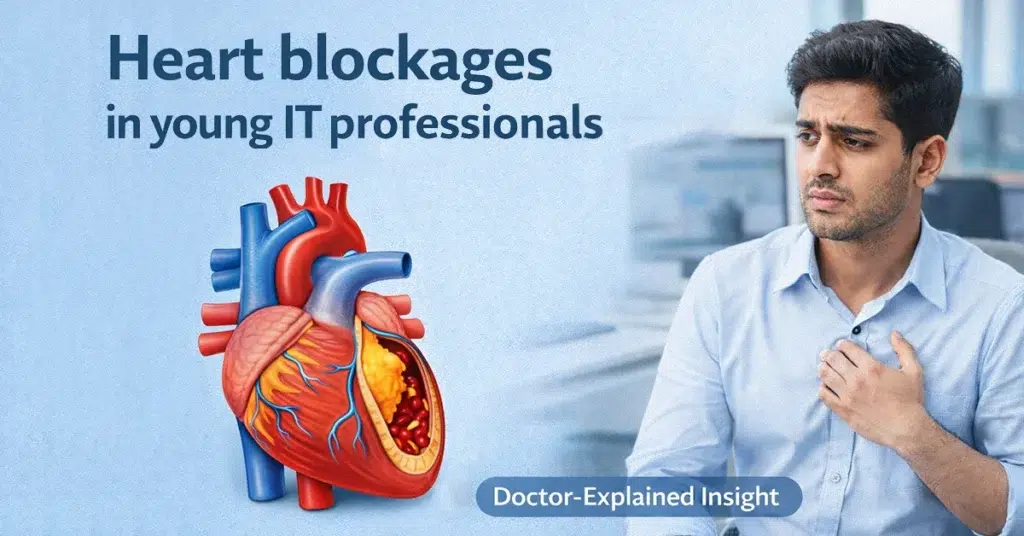
Heart disease was once considered a health issue affecting mainly older adults. However, over the last ten years, doctors have seen a worrying shift. Heart blockages are now being diagnosed more often in young professionals, especially those in the IT sector. Long working hours, chronic stress, irregular meals, late-night work schedules, and sedentary lifestyles are silently damaging heart health among young professionals. While modern medicine studies the link between lifestyle and heart disease today, Ayurveda described it thousands of years ago. It is mentioned in texts like the Charaka Samhita. According to Ayurveda, the heart (Hridaya) is not just a pump that circulates blood. It is deeply connected with the mind (Manas), digestion (Agni), sleep (Nidra), and emotional balance. The Heart–Mind Connection in Ayurveda Ayurveda recognises the heart as the center of consciousness and emotional health. The Charaka Samhita describes: “हृदयं चेतनास्थानम्”The heart is the seat of consciousness. Ayurveda explains that emotions such as fear, anxiety, grief, anger, and prolonged stress disturb the balance of Vata and Pitta doshas. Over time, this imbalance affects circulation and may contribute to cardiac disorders. In modern terms, this translates into stress-induced cardiovascular damage, which is now widely recognised by cardiologists. Modern Research: How Stress Damages the Heart Scientific research confirms that chronic stress activates the sympathetic nervous system, triggering several harmful effects: Increased heart rate Elevated blood pressure Inflammation in blood vessels Damage to arterial walls These changes significantly increase the risk of coronary artery disease, arrhythmias, and heart attacks. For many IT professionals, daily work life includes: Long working hours Tight project deadlines Continuous screen exposure Limited physical activity Constant mental pressure Over time, this combination can gradually damage cardiovascular health. Food Habits and Rising Heart Disease Another major factor behind rising heart blockages in young professionals is poor eating habits. Many IT professionals: Skip meals due to work pressure Eat late at night Consume processed food frequently Depend heavily on caffeine and sugary beverages Ayurveda had long recognised the impact of improper diet on disease. The Charaka Samhita states: “अहित आहार सेवनात् रोगाः उत्पद्यन्ते”Improper food habits lead to disease. According to Ayurveda, irregular eating weakens Agni (digestive fire) and produces Ama (metabolic toxins). These toxins circulate through the body and block channels (Srotas), including those responsible for circulation. Modern Science on Diet and Heart Health Modern cardiology strongly supports the role of diet in cardiovascular disease. Unhealthy eating patterns contribute to: Obesity Diabetes High cholesterol Chronic inflammation All of these are major risk factors for coronary artery disease and heart blockages. The Role of Sleep in Heart Health Ayurveda considers sleep (Nidra) one of the three pillars of health, along with diet and lifestyle. The Charaka Samhita explains: “निद्रा सम्यक् सुखं दुःखं पुष्टिं कार्श्यं बलाबलम्” Meaning: Proper sleep determines happiness, nourishment, strength, and overall well-being. Sleep deprivation disturbs hormonal balance and weakens the cardiovascular system. Modern Research on Sleep and Cardiovascular Disease Medical studies show that poor sleep can increase the risk of: Hypertension Coronary artery disease Heart failure Arrhythmias Irregular sleep patterns increase cortisol levels, metabolic dysfunction, and inflammation, which contribute to plaque formation in arteries. The Modern Lifestyle Trap for IT Professionals A typical IT lifestyle often includes: Prolonged sitting Continuous mental stress Irregular meals High caffeine intake Minimal physical activity Late-night work schedules These factors contribute to obesity, diabetes, hypertension, and heart disease—conditions collectively known as non-communicable diseases (NCDs). The Ayurvedic Approach to Preventing Lifestyle Diseases Ayurveda focuses on correcting the root causes of disease, rather than only managing symptoms. Key principles include: Balanced and timely diet Stress management practices Adequate sleep Detoxification therapies Structured lifestyle correction These approaches help restore balance in the body and improve cardiovascular health. For patients diagnosed with coronary artery disease, Ayurvedic treatment for heart blockage focuses on improving circulation, supporting vascular health, correcting metabolism, and addressing lifestyle triggers. The Madhavbaug Integrative Approach Madhavbaug combines Ayurvedic principles with modern diagnostics to create structured programs for lifestyle disease management. These programs focus on: metabolic correction cardiovascular risk reduction improved circulation lifestyle modification More than 150 research papers published in national and international journals have evaluated the effectiveness of these integrative programs in improving heart health and metabolic disorders. Such structured approaches aim to support long-term heart blockage treatment while addressing the root lifestyle factors that contribute to disease progression. Why Early Action Matters Heart blockages do not develop overnight. They gradually progress over years due to lifestyle factors. Early intervention can significantly reduce risk and improve long-term cardiovascular health. Warning Signs Young Professionals Should Not Ignore Many early symptoms of heart disease are subtle and often ignored. Watch for: Persistent fatigue Chronic stress and anxiety Irregular sleep patterns Sudden weight gain Diabetes or high cholesterol Family history of heart disease Recognising these signals early can help prevent serious cardiac events. Take the First Step Toward a Healthier Heart Heart disease among young professionals is increasing, but the good news is that it can often be prevented and managed through timely lifestyle changes. Consulting a qualified doctor can help you: Understand your heart health status Identify lifestyle risk factors Receive a personalised treatment plan Begin a structured lifestyle correction program Your heart works tirelessly every day. Taking care of it today can protect your health for decades to come.
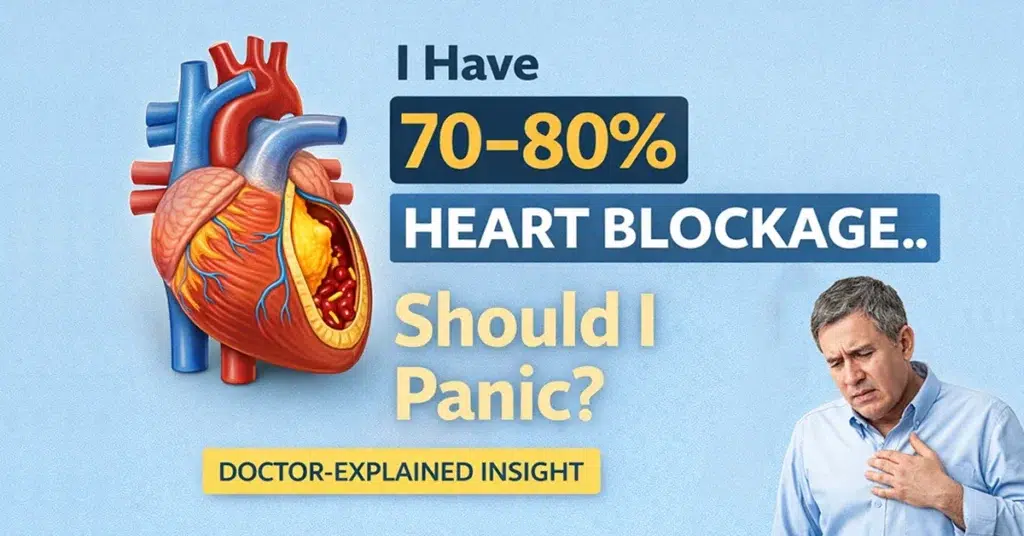
Hearing that you have 70-80% heart blockage can be frightening. Many patients immediately assume the worst — that a heart attack is about to happen or that emergency surgery is the only option. But the reality is more nuanced. The percentage of blockage seen on an angiogram does not always tell the full story about how much blood is actually reaching your heart muscle. Two individuals with the same blockage percentage may have very different blood flow and symptoms. Understanding how the heart’s circulation works can help you make informed decisions and avoid unnecessary panic. Does 70-80% Heart Blockage Always Mean Immediate Danger? Not necessarily. When doctors evaluate coronary artery disease, they consider more than just the visible narrowing of the artery. Blood flow to the heart depends on several factors: Size of the artery Flexibility of blood vessels Health of the inner vessel lining (endothelium) Microcirculation in smaller vessels Overall blood flow dynamics Because of these factors, a blockage that appears severe on imaging may not always significantly restrict blood supply to the heart muscle. How Doctors Assess Whether a Blockage Is Actually Dangerous Modern cardiology uses advanced tools to determine whether a blockage is truly affecting blood flow. Fractional Flow Reserve (FFR) Fractional Flow Reserve (FFR) is a specialised test performed during angiography. It measures pressure differences across the narrowed artery. This helps doctors determine whether the blockage is actually reducing blood flow. FFR above 0.80: Blood flow is usually adequate FFR below 0.80: Blood flow may be significantly restricted This means that even with a 70–80% narrowing, the blood supply may still be sufficient in some patients. Coronary Flow Reserve (CFR) Another important concept is coronary flow reserve (CFR). CFR measures how well the coronary arteries can increase blood flow when the body demands more oxygen, such as during exercise. If CFR is reduced, it suggests the heart cannot increase circulation adequately under stress. What Do Major Clinical Studies Say? Several major international studies have examined how heart blockages should be treated. FAME Trial The FAME trial showed that decisions based on FFR measurements often lead to better outcomes compared with decisions based purely on angiography images. COURAGE Trial The COURAGE trial found that optimal medical therapy and lifestyle changes can be as effective as angioplasty in many patients with stable coronary artery disease. ORBITA Trial The ORBITA trial further highlighted the strong role of medical therapy and symptom management in stable heart disease. These studies reinforce an important point:Blockage percentage alone does not determine the best treatment approach. Why Heart Blockages Develop in the First Place Heart disease usually develops gradually over many years. Several factors contribute to plaque formation in arteries: Chronic inflammation Diabetes and insulin resistance High cholesterol Sedentary lifestyle Smoking Obesity Endothelial dysfunction Addressing these root causes plays a crucial role in improving circulation and stabilising plaques. Can Non-Invasive Approaches Help Improve Circulation? In stable cases, many doctors now focus on improving vascular health rather than immediately opting for invasive procedures. Lifestyle-focused heart blockage treatment strategies often include: Diet modification Weight management Exercise programs Stress reduction Metabolic correction Medical therapy when required These approaches aim to improve blood flow, stabilise plaques, and reduce symptoms. In integrative care settings, ayurvedic treatment for heart blockage may focus on improving endothelial function, supporting circulation, reducing inflammation, and addressing metabolic imbalance through personalised therapies and lifestyle correction. The Most Important Takeaway If you are diagnosed with a 70–80% blockage, it does not automatically mean a heart attack is imminent. What matters more is: Your symptoms Blood flow measurements (FFR/CFR) Overall cardiovascular health Lifestyle and metabolic factors A personalised evaluation helps doctors determine whether invasive procedures are necessary or whether structured heart blockage treatment strategies can effectively manage the condition. Final Message for Patients Hearing the words “70–80% blockage” can sound alarming, but panic is rarely the right response. Instead: Seek proper evaluation Understand the physiological impact of the blockage Discuss treatment options thoroughly with your doctor In many cases, stabilising the disease and improving circulation through medical management and lifestyle changes can significantly improve outcomes. Knowledge reduces fear — and informed decisions protect your heart.

Many patients walk into the clinic with a common belief: “My ECG report is normal, so my heart must be perfectly fine.” But is that really true? Can ECG detect heart blockages accurately? Is a normal ECG enough to rule out coronary artery disease? Is ECG the gold standard test for confirming blockages? Let’s break this down in a simple, practical way so you clearly understand what an ECG can and cannot tell you. What Is an ECG? An Electrocardiogram (ECG or EKG) is a quick, non-invasive test that records the electrical activity of your heart. It measures how your heart beats by displaying electrical impulses as wave patterns while you are resting (usually lying down). It is one of the most basic and commonly prescribed heart tests. What Can an ECG Detect? An ECG is very useful — but within limits. It can help detect: Irregular heart rhythms (arrhythmias) Signs of an ongoing heart attack Evidence of a previous heart attack Severe ischemia (reduced blood supply to the heart muscle) Heart muscle enlargement Electrical conduction abnormalities If a blockage is severe enough to reduce blood flow significantly at the time of the test, the ECG may show changes. What ECG Cannot Reliably Detect? This is where most confusion begins. A normal ECG does NOT always mean your arteries are clear. ECG cannot reliably detect: Mild to moderate heart blockages Blockages that are not affecting blood flow at rest Exact location of blockage Percentage of artery narrowing A person may have a significant blockage and still have a completely normal ECG — especially if the test is performed while resting rather than under physical stress. Why Can a Normal ECG Be Misleading? Think of it this way: If blood flow to the heart is critically reduced even at rest, ECG changes will likely appear. But if the blockage only affects blood flow during exertion — such as walking fast, climbing stairs, or stress — a resting ECG may look perfectly normal. That is why ECG alone is not considered a confirmatory test for heart blockage. What Tests Help Detect Heart Blockage More Accurately? If your doctor suspects coronary artery disease, further evaluation may be required. Here’s the typical sequence: ECG (First Screening Test) When patients present with symptoms such as: Chest pain Left arm or shoulder pain Back pain Nausea Excessive sweating Palpitations Unexplained heartburn The first test advised is usually an ECG. If abnormalities appear, further tests are recommended. If the ECG is normal but suspicion remains high, additional testing is necessary. Stress Test (Treadmill Test) This test evaluates how your heart performs under physical stress. It answers an important question: “How does the heart behave when it needs more oxygen?” A stress test can detect early ischemic changes that are not visible in a resting ECG. If positive, further imaging like CT Angiogram or Angiography is advised. CT Angiogram (CTA) – Non-Invasive Gold Standard A CT Angiogram is a painless, non-invasive imaging test that uses contrast dye to create detailed 3D images of coronary arteries. It can: Detect plaque buildup Measure percentage of blockage Identify narrowing Guide further heart blockage treatment decisions The procedure usually takes 20–60 minutes and provides actionable clarity. Coronary Angiography (Invasive Test) This minimally invasive procedure uses a catheter inserted through the wrist or groin. It is often done when: Blockage is strongly suspected Intervention (angioplasty/stenting) may be required It allows both diagnosis and immediate treatment. So, Can ECG Detect Heart Blockages? Here’s the simple answer: An ECG is a screening tool — not a confirmatory test for heart blockages. It helps detect electrical abnormalities and severe ischaemia, but cannot reliably rule out coronary artery narrowing. If you truly want clarity about your coronary health, an ECG should be just the starting point — not the final verdict. What About Treatment Options? Once blockages are identified, management depends on severity. Options may include: Lifestyle modification Medical therapy Interventional procedures Structured heart blockage treatment programs In stable cases, integrative approaches such as Ayurvedic treatment for heart blockage focus on improving circulation, correcting metabolism, reducing inflammation, and supporting cardiac function under medical supervision. Comprehensive heart blockage treatment always depends on an accurate diagnosis first. Final Message From a Doctor Do not panic — but do not assume. A normal ECG does not always mean a clean heart. If you have: Diabetes Hypertension Obesity Family history of heart disease Persistent symptoms You deserve a thorough evaluation. Next time you check your heart health, don’t stop at just an ECG. Early clarity prevents emergencies.

With the growing interest in natural and integrative approaches to metabolic health, one question comes up frequently in my clinic: Can people with diabetes eat pomegranate? Pomegranate (Dādima) is not just a fruit — it is deeply respected in Ayurveda and increasingly studied in modern metabolic research. Many patients worry about its natural sweetness. But when understood correctly, pomegranate can be a thoughtful and balanced inclusion in a diabetic diet. Let us explore this fruit through both Ayurvedic wisdom and modern science. Pomegranate in Ayurveda – Understanding Dādima In Ayurveda, pomegranate is known as Dādima. It is considered one of the most sattvic fruits — meaning it promotes clarity, vitality, and balance. Unlike refined sugar, Dādima nourishes without disturbing metabolic equilibrium when used correctly. Ayurvedic Properties of Pomegranate Rasa (Taste): Sweet, sour, astringent Virya (Potency): Cooling Vipaka (Post-digestive effect): Sweet Dosha Effect: Pacifies Pitta and Vata, mildly increases Kapha This unique combination makes it one of the rare fruits that is both nourishing and metabolically supportive. How Dādima Supports Metabolism in Diabetes (Ayurvedic View) Diabetes (Prameha / Madhumeha) in Ayurveda is primarily linked to: Mandagni (weak digestive fire) Dhatvagni dushti (impaired tissue metabolism) Ama accumulation (metabolic toxins) Here’s how pomegranate helps: 1. Strengthens Agni Without Creating Heat Dādima kindles digestion gently without aggravating Pitta. In diabetes, improving Agni is crucial for restoring metabolic balance. 2. Supports Rakta Dhatu (Blood Tissue) Rakta Dhatu is responsible for circulation, oxygenation, vitality, and complexion. In long-standing diabetes, Rakta becomes vitiated. Pomegranate helps purify and support Rakta without overstimulating blood sugar. 3. Acts as a Natural Rasayana (Rejuvenator) Diabetes is a degenerative metabolic disorder. True Rasayana therapy focuses on: Restoring Agni Purifying Dhatus Improving Ojas Slowing tissue degeneration Dādima supports this rejuvenative process gently. 4. Reduces Excessive Thirst and Fatigue Patients with diabetes often complain of: Excess thirst Fatigue Burning sensations Sudden sugar cravings Pomegranate offers natural sweetness without causing sharp glucose spikes when consumed in appropriate quantities. 5. Helps Manage Ama (Metabolic Toxins) Its astringent quality reduces excess Kapha and supports ama pachana (metabolic detoxification). By improving digestion and circulation, it indirectly supports heart health – which is especially important in diabetic individuals prone to micro and macrovascular complications. How Pomegranate May Help With Diabetes – What Modern Science Says Interestingly, modern research aligns with Ayurvedic observations. 1. Blood Sugar Regulation Pomegranate contains polyphenols such as: Punicalagin Ellagic acid These compounds may: Slow carbohydrate absorption Improve insulin sensitivity Reduce post-meal glucose spikes 2. Powerful Antioxidant Effects Diabetes is closely linked to oxidative stress. Pomegranate juice and seed extracts show among the highest antioxidant activity among fruits, helping reduce inflammation and cellular damage. 3. Cardiovascular Protection People with diabetes have a higher risk of heart disease. Research suggests pomegranate may: Reduce LDL oxidation Support arterial flexibility Improve blood pressure regulation 4. Gut Microbiome Support Healthy gut bacteria play a key role in insulin sensitivity and metabolic regulation. Pomegranate polyphenols nourish beneficial gut microbes, supporting better glucose balance. Best Ways to Use Pomegranate in Diabetes If you are wondering again, can people with diabetes eat pomegranates safely? — The answer depends on form and quantity. Here are safer options: Fresh pomegranate fruit (with seeds) – most recommended Small quantity of fresh, unsweetened juice Pomegranate seeds (Anardana) for digestion Pomegranate peel decoction (used traditionally for inflammation) Herbal blends with Guduchi, Triphala, or Amla Moderation and personalization are key. Who Should Limit or Avoid Pomegranate? Although generally safe, caution is advised for: Individuals prone to constipation Severe Kapha imbalance requiring a low-fruit diet Those on blood-thinning medication (consult your physician) Is Pomegranate Enough to Manage Diabetes? No single fruit can cure diabetes. True metabolic balance requires: Structured diet Physical activity Stress management Proper sleep Regular medical supervision In integrative care models, Ayurvedic treatment for diabetes focuses on restoring Agni, correcting insulin resistance, detoxifying Ama, and strengthening tissues through personalised protocols. Similarly, structured diabetes ayurvedic treatment programs combine diet, herbal support, lifestyle correction, and monitoring — not just symptom suppression. Pomegranate can be a supportive nutritional ally within this broader framework. Final Thoughts – Food as Intelligent Medicine Pomegranate beautifully bridges ancient Ayurvedic wisdom and modern metabolic science. It is: Light yet nourishing Detoxifying yet strengthening Suitable for long-term use when individualized For individuals living with diabetes, pomegranate is not a cure — but a conscious, intelligent inclusion. Remember: Food becomes medicine not by excess, but by balance and understanding.

A chubby, roly-poly child often attracts smiles, compliments, and affectionate teasing. But when excess weight continues beyond a certain age, it quietly becomes a health concern rather than a sign of “good growth.” Today, childhood obesity is rising rapidly in India. Changing lifestyles, increased screen time, irregular meals, packaged foods, and reduced physical activity have made children vulnerable to health issues that were once seen only in adults. As a doctor, I often remind parents: “Weight gained in childhood doesn’t stay limited to childhood—it shapes lifelong health.” What Is Childhood Obesity? Childhood obesity is a condition where a child gains more body weight than is healthy for their age and height. It is commonly assessed using BMI (Body Mass Index) charts designed specifically for children. In Ayurveda, obesity is described as Sthoulya, mentioned by Acharya Charaka under Ashta Nindita Purusha and classified as a Rasa-nimittaja Vyadhi. Ancient texts confirm that this condition has existed since the Vedic period—long before modern junk food—highlighting the importance of digestion, lifestyle, and mental balance. Why Are Children Becoming Obese So Early? Childhood obesity rarely has a single cause. It usually develops due to a combination of factors: Diet-Related Causes Frequent junk food and packaged snacks Sugary drinks and desserts Oversized portions Eating outside the home regularly Low Physical Activity Excessive screen time Minimal outdoor play Limited sports or physical education Family & Environment Busy routines with working parents Irregular meal timings Stress and disturbed sleep Genetic Predisposition Some children are more prone to weight gain—but genes alone do not cause obesity without lifestyle triggers. Ayurvedic Perspective Kapha-vardhaka ahara-vihara and manasika hetu (dietary and mental factors) lead to medo vriddhi—excess fat accumulation. Early Warning Signs Parents Should Never Ignore Parents should seek guidance if a child shows: Rapid or excessive weight gain Getting tired easily Breathing difficulty or snoring during sleep Low self-confidence or social withdrawal Frequent hunger or overeating Clothes becoming tight very quickly Avoidance of physical activities Early intervention makes correction easier and safer. How Ayurveda Looks at Childhood Obesity In Ayurveda, childhood obesity requires step-by-step assessment, not crash diets or forced exercise. Management includes: Non-pharmacological approaches like yoga and lifestyle correction Pharmacological support when required Panchakarma and shamana therapies under strict supervision This holistic approach focuses on digestion, metabolism, physical activity, mental wellbeing, and healthy growth—rather than rapid weight loss. How Parents Can Prevent Childhood Obesity Prevention always works better than treatment. Here’s how families can help: Focus on Nutritious Meals Include fruits, vegetables, whole grains, and lean proteins Reduce sugar by offering fruits instead of sweets Cook at home more often to control ingredients and portions Teach portion control. Use smaller plates Avoid forcing children to finish food when they feel full Make Physical Activity Enjoyable Encourage cycling, skipping, running, or sports Turn exercise into family time—walks, games, or weekend outings Set Healthy Screen-Time Limits WHO recommends zero screen time for children below 2 years Limit screen use to 1 hour per day thereafter Keep meals and bedtime screen-free Ensure Adequate Sleep Maintain consistent bedtime routines Encourage reading or calm activities before sleep Encourage Hydration Teach children to drink water regularly Keep water bottles easily accessible at home Role of Schools & Community Nutritious school meals Regular physical education Access to playgrounds, sports, dance, and yoga programs Yoga for Obesity Prevention Asanas, pranayama, meditation, and relaxation practices help regulate metabolism, appetite, and stress. Panchakarma Therapy When advised by a physician, Panchakarma plays a supportive role in correcting metabolic imbalance. A Balanced Approach to Treatment The goal of obesity care is not extreme weight loss, but achieving and maintaining a healthy weight appropriate for the child’s growth. Parents exploring ayurvedic treatment for weight loss should always choose structured, child-specific programs that prioritise nutrition, safety, and long-term habits. At Madhavbaug Clinic, recognised as a trusted weight loss treatment centre in Rajarajeshwari Nagar, Bengaluru, obesity care is approached with sensitivity. Treatment plans combine diet guidance, lifestyle correction, Ayurvedic therapies, and supervised physical activity—ensuring healthy growth without compromising development. Final Message for Parents Childhood obesity is not about appearance—it is about future health. With timely awareness, supportive parenting, and the right guidance, children can return to a healthy growth path naturally. Small daily habits today protect your child from diabetes, heart disease, and lifestyle disorders tomorrow. Healthy children grow into healthy adults.
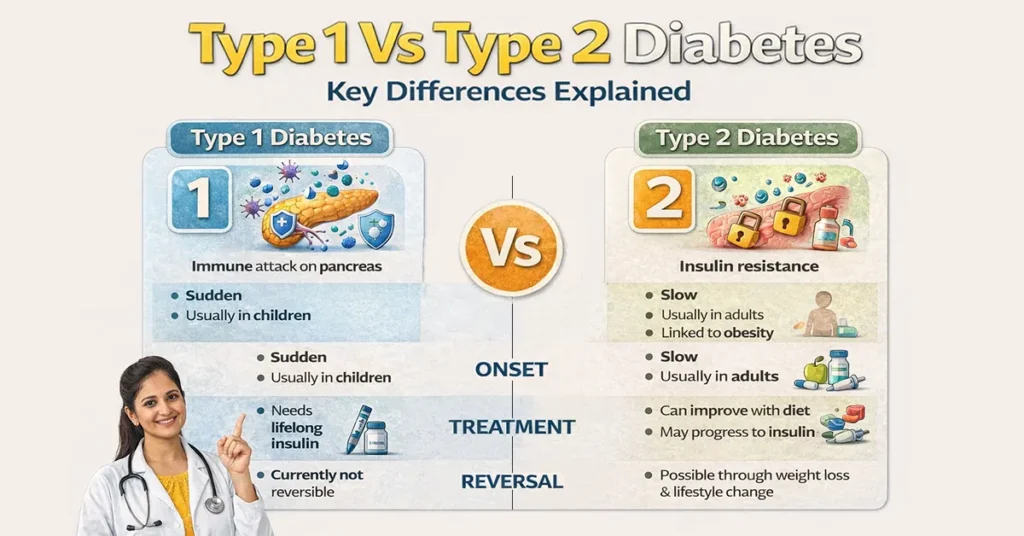
When patients come to me and say, “Doctor, I have sugar… but which type is it?” It tells me one thing clearly — diabetes is still widely misunderstood. Many people think diabetes is just “high sugar”. But when we discuss type 1 vs type 2 diabetes, we are actually talking about two very different conditions that only share one thing in common – elevated blood glucose levels. Let’s break this down in a simple, clear, and practical way. What Is Diabetes, Really? Diabetes is a chronic condition caused by hyperglycaemia — raised blood sugar. This happens when: The pancreas does not produce enough insulin OR the body cannot effectively use the insulin it produces Insulin is the hormone that allows glucose to enter cells and be used as energy. Without proper insulin function, sugar accumulates in the bloodstream, damaging nerves, blood vessels, kidneys, eyes, and the heart over time. Type 1 Vs Type 2 Diabetes: The Core Difference While both types lead to high sugar levels, the biological “why” behind each condition is completely different. Think of it this way: Type 1 is a supply problem Type 2 is a usage problem Let’s understand how. Pathophysiology: What Actually Goes Wrong? Type 1 Diabetes – An Immune System Mistake Type 1 is an autoimmune disease. The body’s immune system mistakenly attacks and destroys the insulin-producing beta cells in the pancreas. As a result: The pancreas stops producing insulin completely Glucose cannot enter cells Blood sugar rises rapidly Without insulin, the body literally goes into cellular starvation even though sugar levels are high. Type 1 is usually diagnosed in children or young adults and was formerly called “juvenile diabetes”. It accounts for roughly 8–10% of all cases of diabetes. Type 2 Diabetes – Insulin Resistance In type 2 diabetes: The pancreas still produces insulin But the body’s cells stop responding properly This is called insulin resistance. Initially, the pancreas tries to compensate by producing more insulin. Over time, it becomes exhausted. Then two problems occur: Cells resist insulin Insulin production decreases Type 2 accounts for nearly 90% of all diabetes cases in India and globally. Onset and Who Is Affected Type 1 – Sudden and Dramatic Often diagnosed in children or young adults Symptoms develop rapidly Weight loss, extreme thirst, frequent urination It is not caused by lifestyle or diet. Type 2 – Slow and Silent Common after age 40 (but now rising in younger Indians) Linked to obesity, stress, poor sleep, and a sedentary lifestyle Symptoms may go unnoticed for years Many patients are diagnosed during routine blood tests. In India, increasing abdominal obesity and insulin resistance make Type 2 diabetes extremely common. Management: Why Treatment Approaches Differ Because the causes differ, treatment strategies differ. Type 1 Diabetes – Lifelong Insulin People with Type 1 produce no insulin. Therefore: Insulin injections are mandatory from day one Delivered via insulin pens or pumps Continuous glucose monitoring is often needed Insulin is not a “last stage” treatment — it is essential for survival. Type 2 Diabetes – Stepwise Management Management begins with lifestyle correction: Lifestyle Intervention Weight loss Low-carb, balanced diet Regular exercise Stress reduction In early stages, some patients can control sugar levels with these measures alone. Oral Medications Drugs like Metformin and other oral agents improve insulin sensitivity and reduce glucose production. Advanced Options Injectables such as GLP-1 agonists may be added when required. If the pancreas becomes significantly exhausted, insulin may eventually be needed. This is where structured type 2 diabetes treatment becomes essential — not just controlling numbers, but correcting insulin resistance at its root. Can diabetes be prevented or reversed? This is one of the most common questions. Feature Type 1 Type 2 Cause Autoimmune Insulin resistance Prevention Currently not possible Highly preventable Reversal Not reversible Can go into remission Type 2 diabetes, especially in early stages, can often be reversed or put into remission with the following: Weight loss Metabolic correction Lifestyle modification Structured medical supervision In integrative care models, Ayurvedic treatment for diabetes focuses on improving digestion (Agni), correcting metabolism, reducing inflammation, and enhancing insulin sensitivity under medical guidance. Long-Term Complications (If Poorly Controlled) Both types can cause similar complications if unmanaged: Retinopathy (eye damage) Nephropathy (kidney damage) Neuropathy (nerve damage) Cardiovascular disease Delayed wound healing High sugar levels damage blood vessels like “slow internal injury”. Emergency Conditions: Know the Difference Type 1 – Risk of DKA Diabetic ketoacidosis (DKA) is life-threatening and requires emergency treatment. Type 2 – Risk of HHS Hyperosmolar Hyperglycaemic State (HHS) causes extremely high sugar and severe dehydration. Both are medical emergencies. Final Takeaway: Type 1 Vs Type 2 Diabetes in One Line Type 1 = The pancreas cannot produce insulin. Type 2 = The body cannot use insulin properly. One is a factory shutdown. The other is a distribution failure. Understanding this difference helps patients make informed decisions rather than living in confusion or fear. A Doctor’s Advice If you are: Overweight Have a family history Sedentary Under chronic stress Experiencing rising sugar levels Do not wait for complications. Early evaluation, proper diagnosis, and structured management can protect your heart, kidneys, nerves, and quality of life. Diabetes management is not about panic. It is about clarity, correction, and consistency.
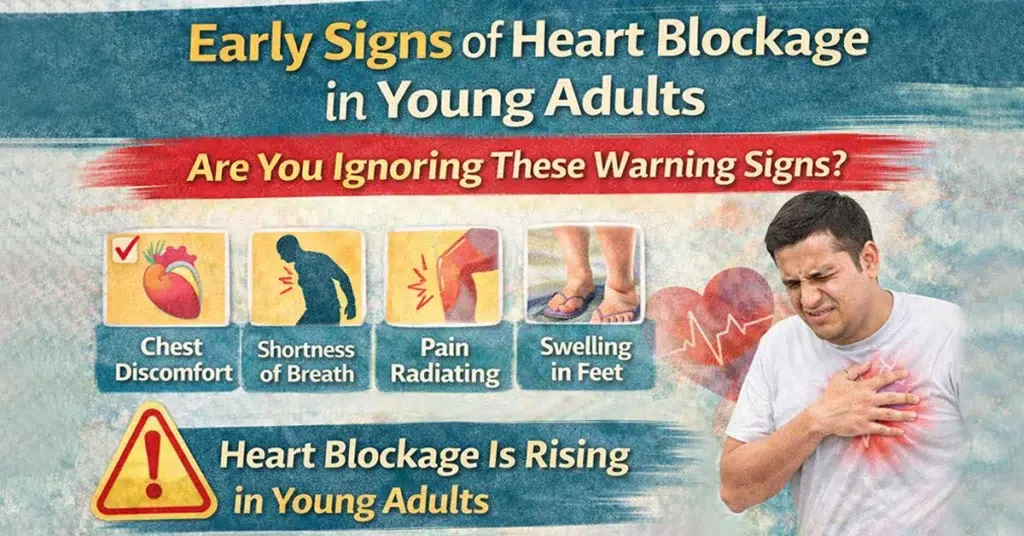
By Dr Nishchita Basappa Chief Consultant Madhavbaug Clinic in Jayanagar Over the past few years, we’ve all heard shocking news—young, active professionals collapsing due to heart attacks. This is no longer rare. As a clinician, I often meet patients in their late 20s or 30s who say, “Doctor, I thought heart problems happen only after 50.” Unfortunately, that belief is outdated. The early signs of heart blockage in young adults are often subtle. Many ignore them. Others panic over minor discomfort, thinking it’s a heart attack. The truth lies somewhere in between—awareness without fear. Let’s understand this clearly and calmly. What Exactly Is a Heart Blockage? Heart blockage, medically known as coronary artery disease, happens when the arteries supplying blood to the heart narrow due to plaque buildup. Plaque forms gradually from: Cholesterol Fat deposits Calcium Inflammatory cells When this narrowing reduces oxygen supply to the heart muscles, the condition is called ‘ischaemia’. In the early stages, the oxygen shortage is mild and intermittent, so symptoms may be barely noticeable. But over time, especially with an unhealthy lifestyle, stress, smoking, poor sleep, and metabolic imbalance, the narrowing worsens. That’s when symptoms begin to show. Early Signs of Heart Blockage in Young Adults These symptoms are often dismissed as stress, acidity, or overwork. Chest Discomfort (Not Always Severe Pain) It may feel like: Tightness Pressure Burning sensation Heaviness It may come during stress or physical activity and improve with rest. Young adults often label this as “gas.” Shortness of Breath If you feel breathless after mild activity like climbing stairs or walking fast, don’t ignore it. Difficulty breathing while lying down can also be a warning sign. Pain Radiating Elsewhere Heart-related discomfort can spread to: Left arm (most common) Both arms Jaw Neck Upper back This is a classic but often overlooked sign. Swelling Around Ankles or Feet Unexplained swelling may indicate poor circulation and reduced cardiac efficiency. Irregular Heartbeat or Palpitations If your pulse is Persistently above 100 Irregular Skipping beats Racing unexpectedly It deserves evaluation. Rising Blood Pressure Repeatedly high blood pressure readings in young adults should never be ignored. Hypertension can both cause and result from heart-related issues. Unusual Fatigue Feeling excessively tired without a clear reason—even after adequate sleep—may indicate reduced oxygen supply to tissues. Nausea or Indigestion-Like Symptoms Frequent “acidity,” bloating, or upper abdominal discomfort during exertion can sometimes reflect cardiac ischemia rather than digestive trouble. Cold Sweats or Dizziness Sudden sweating without exertion, light-headedness, or faintness may be subtle warning signs. Important Emergency Warning If chest pain lasts more than 5–10 minutes, spreads to the arm/jaw, or is accompanied by sweating and breathlessness, seek emergency medical care immediately. Why It Often Goes Unnoticed in Young Adults Young patients typically have: Better pain tolerance Busy lifestyles High stress levels Sedentary work patterns Irregular sleep Many symptoms are masked under “work pressure” or “fitness fatigue”. That’s why awareness of the early signs of heart blockage in young adults is critical. Essential Tests to Detect Blockage Early If you suspect symptoms, proper evaluation is important. Blood Tests: Lipid Profile & Lipoprotein(a) hs-CRP (inflammation marker) Investigations: ECG (resting electrical activity) Stress Test (to detect exercise-induced ischemia) CT Angiography (non-invasive confirmatory test showing percentage of blockage) CT angiography helps determine the severity and guides further heart blockage treatment decisions. Heart Blockage Is Not an Emergency—Until It Becomes One A blockage develops slowly over the years. It is not sudden. But if left untreated, it can lead to the following: Heart attack Arrhythmias Heart failure That is why early correction is more important than emergency reaction. Can Heart Blockage Be Managed? Yes—especially when detected early. Management includes: Weight correction Blood sugar control Blood pressure management Cholesterol regulation Structured exercise Stress reduction Depending on severity, doctors may recommend medical therapy, procedures, or lifestyle-focused heart blockage treatment. In selected stable cases, integrative approaches like Ayurvedic treatment for heart blockage focus on improving metabolism, circulation, inflammation control, and long-term lifestyle correction—always under proper medical supervision. Final Message to Young Adults Heart blockage does not happen overnight. It develops silently over the years. Being aware does not mean being afraid. It means being responsible. If you notice subtle changes in stamina, breathing, or chest comfort—listen to your body. Early detection prevents tragedy. Healthy lifestyle choices today protect your heart tomorrow.
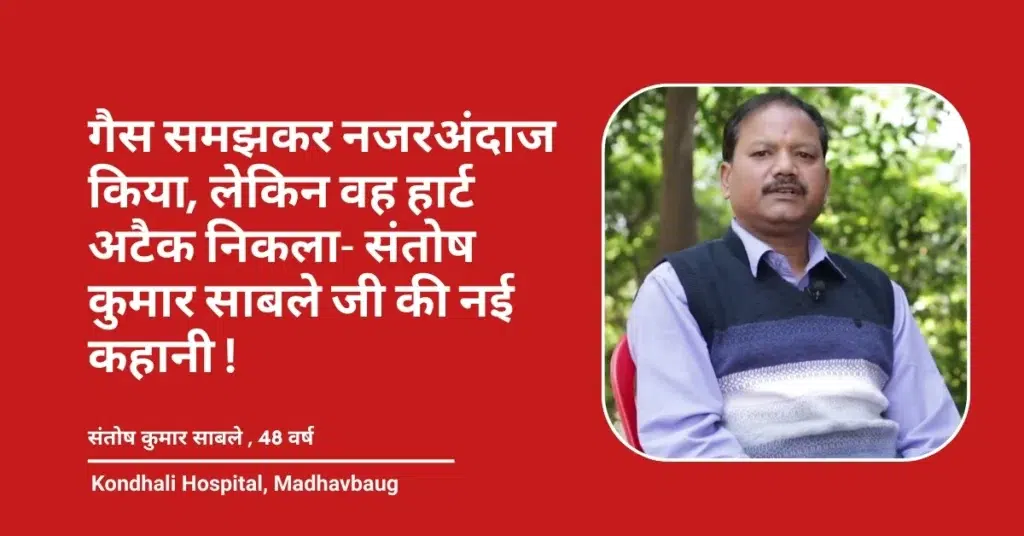
Symptoms He Ignored “अगर उस दिन मैं और देर कर देता, तो शायद कहानी कुछ और होती…” मध्य प्रदेश के बैतूल जिले के मुलताई निवासी श्री संतोष कुमार साबले की कहानी एक ऐसी सच्ची घटना है, जो बताती है कि gas or heart attack के बीच फर्क समझना कितना जरूरी है। शुरुआत में उन्होंने सीने के भारीपन और पेट में जलन को साधारण गैस समझा — लेकिन यही लक्षण आगे चलकर हार्ट अटैक निकले। Patient Profile Parameter Details Name Mr. Santosh Kumar Sable Location Multai, Betul (MP) Incident Heart Attack Angiography 3 Blockages Initial Advice Angioplasty Doctor Dr. Gaurav Shelke Qualification B.A.M.S. Experience 12+ Years When Gas Pain Is Actually Dangerous एक सुबह लगभग 9 बजे, बिना सही से खाना खाए काम पर निकलने के बाद उन्हें पेट में गैस जैसा लगा।सीने में दबाव बढ़ता गया — पर उन्होंने सोचा“शायद सिर्फ गैस है।” लेकिन कुछ ही देर में दर्द बढ़ गया, बेचैनी बढ़ी और सांस लेने में दिक्कत होने लगी। यही वो संकेत थे जिन्हें अक्सर लोग गैस समझकर नजरअंदाज कर देते हैं। Early Signs of Heart Attack Most People Miss कई बार हार्ट अटैक के लक्षण सीधे-सीधे तीव्र दर्द के रूप में नहीं आते। जैसे: सीने में हल्का दबाव गैस जैसा दर्द पसीना आना बेचैनी अचानक कमजोरी यही कारण है कि gas or heart attack symptoms को पहचानना जीवन बचा सकता है। Doctor’s Explanation जिला अस्पताल की जांच में पता चला कि उन्हें हार्ट अटैक आया था।आगे नागपुर में एंजियोग्राफी हुई — रिपोर्ट में तीन धमनियों में ब्लॉकेज सामने आया। डॉक्टरों ने तुरंत एंजियोप्लास्टी की सलाह दी। खर्च अधिक होने और मानसिक तनाव के कारण उन्होंने विकल्प तलाशना शुरू किया और इसी दौरान उन्हें एक ऐसी चिकित्सा पद्धति के बारे में पता चला जो heart blockage treatment without surgery पर केंद्रित है। Recovery Story उन्होंने विशेषज्ञों की देखरेख में ayurvedic treatment for heart blockage शुरू किया। तीन दिन की थेरेपी के बाद: शरीर हल्का महसूस हुआ चलने की क्षमता बेहतर हुई दर्द कम हुआ 15 दिन बाद फॉलो-अप में सुधार जारी था। अब वे नियमित वॉक करते हैं, अधिक ऊर्जा महसूस करते हैं और आत्मविश्वास के साथ जीवन जी रहे हैं। Before vs After Parameter Before After Chest Pain Heavy & uncomfortable Major relief Walking Ability Limited Regular walks Energy Low Improved Mental State Fearful Confident Patient’s Words “मैंने उस दिन गैस समझकर नजरअंदाज किया था। लेकिन समय पर कदम उठाना मेरी जिंदगी का सबसे सही फैसला था।” Conclusion — The Lesson Everyone Should Learn यह कहानी एक महत्वपूर्ण संदेश देती है:👉 सीने के दर्द को कभी हल्के में न लें।👉 गैस समझकर नजरअंदाज करना खतरनाक हो सकता है।👉 सही समय पर जांच जीवन बचा सकती है। पूरी कहानी यहाँ देखें : Hospital Details Treatment is given at the Madhavbaug Kondhali Hospital. This is a top Ayurvedic cardiac care center. It is known for managing heart blockages without surgery. The clinic also offers research-based lifestyle therapies. Looking to visit us in person? 📍 Madhavbaug Kondhali Nagpur | Cardiac Care Ayurvedic Hospital & Panchakarma Centre on Google Maps and plan your visit with ease.यदि आप एंबरनाथ के बाहर हैं, तो भी नज़दीकी क्लिनिक में अपॉइंटमेंट बुक कर सकते हैं। 🔎 Find a Madhavbaug Clinic Locator Near You and begin your heart-health recovery journey naturally with expert-guided Ayurvedic cardiac care. Nationally Honoured & Media-Featured Leader in Heart Blockage Care Madhavbaug has earned national recognition for its contributions to non-surgical cardiac care and lifestyle-based disease reversal. The organization has been featured across major media for its clinical research and high-impact public health initiatives.In 2018, Madhavbaug reached a big milestone in the India Book of Records. They conducted 661 live GTT assessments in a single day across many clinics. Major news platforms reported this achievement. In 2023, Madhavbaug further strengthened its clinical authority by training 65 government medical officers in Uttarakhand on evidence-based, Ayurveda-integrated disease reversal protocols.Madhavbaug has received over 200 awards. These awards are for excellence in healthcare, innovation, and patient outcomes. Madhavbaug is one of the most trusted names in heart blockage treatment in India. Frequently Asked Questions 1. How to know if chest pain is gas or a heart attack?Gas pain is usually sharp, changes with movement, and improves after burping. Heart attack pain feels like pressure or tightness, may spread to the arm/jaw, and often comes with sweating or breathlessness. When unsure, seek medical help immediately. 2. Can gas pain feel like a heart attack?Yes. Gas pain can mimic heart attack symptoms like chest discomfort or burning. The difference is that heart attack pain typically persists, worsens, or includes symptoms such as nausea, dizziness, or shortness of breath. 3. What are the warning signs that chest pain is serious?Serious chest pain signs include pressure lasting more than a few minutes, pain spreading to the shoulder or arm, sweating, faintness, or difficulty breathing. These may indicate a heart emergency. 4. When should you go to the hospital for chest pain?Go immediately if chest pain is sudden, severe, lasts over 5 minutes, or occurs with breathlessness, nausea, or cold sweat. Early treatment can prevent life-threatening complications.
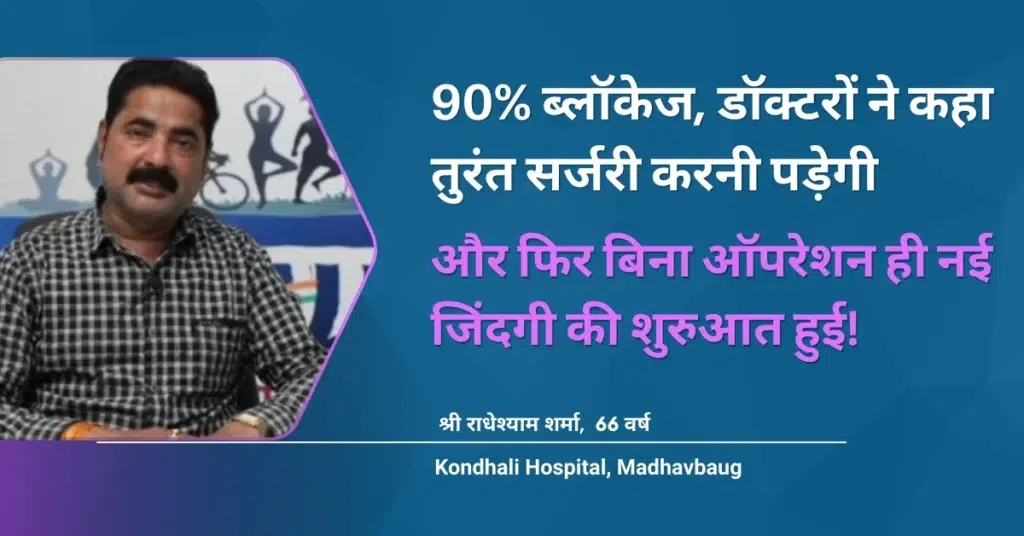
“जब डॉक्टरों ने कहा तुरंत सर्जरी करनी पड़ेगी… तब लगा जैसे सब कुछ खत्म हो गया।” छत्तीसगढ़ के पत्थलगांव, जसपुर जिले के निवासी श्री राधेश्याम शर्मा एक सक्रिय व्यवसायी हैं। लेकिन कुछ समय पहले तक उनकी स्थिति बिल्कुल अलग थी। थोड़ा सा भी चलने पर सांस फूल जाती थी और काम के दौरान थकान इतनी बढ़ जाती थी कि वे अपना व्यवसाय ठीक से संभाल नहीं पा रहे थे। उनकी मेडिकल रिपोर्ट में 90% blockage and surgery planned की गंभीर स्थिति सामने आई, जिसने पूरे परिवार को चिंता में डाल दिया। Patient Profile – 90% Blockage and Surgery Planned Case नाम श्री राधेश्याम शर्मा निवास पत्थलगांव, जसपुर जिला, छत्तीसगढ़ पेशा व्यवसायी मुख्य समस्या सांस फूलना, कमजोरी एंजियोग्राफी रिपोर्ट 90%, 70% और 50% ब्लॉकेज पहले की सलाह तत्काल सर्जरी उपचार केंद्र माधवबाग, कोंढाली हॉस्पिटल चिकित्सक डॉ. गौरव शेलके योग्यता B.A.M.S. अनुभव 12+ वर्ष तीन नसों में ब्लॉकेज और 90% Blockage and Surgery Planned स्थिति जांच के बाद डॉक्टरों ने बताया: एक नस में 90% ब्लॉकेज दूसरी में 70% ब्लॉकेज तीसरी में 50% ब्लॉकेज डॉक्टरों ने साफ शब्दों में कहा — “तुरंत सर्जरी करनी पड़ेगी।” यह सुनकर राधेश्याम जी घबरा गए और परिवार भी तनाव में आ गया। ऑपरेशन की तैयारी तक शुरू हो चुकी थी। नई उम्मीद — सही मार्गदर्शन से मिला विकल्प इसी दौरान उनकी बेटी श्वेता शर्मा ने इंटरनेट पर खोज की और एक वैकल्पिक heart blockage treatment के बारे में जानकारी जुटाई। उसने कहा, “पापा, एक बार यहाँ भी दिखा लेते हैं।” परिवार के साथ वे अस्पताल पहुँचे, जहाँ डॉक्टरों ने रिपोर्ट देखकर भरोसा दिलाया कि सही ayurvedic treatment for heart blockage, अनुशासन और जीवनशैली सुधार से सुधार संभव हो सकता है। उपचार की शुरुआत — और शरीर में सकारात्मक बदलाव उपचार शुरू हुआ। पंचकर्म को लेकर उनके मन में डर था, लेकिन प्रक्रिया सहज और आरामदायक रही। कुछ ही समय में बदलाव दिखने लगे: वजन 88 किलो से घटकर 76 किलो हार्ट पंपिंग 40% से बढ़कर 58% पहले 6 दवाइयाँ, अब सिर्फ 2 चलने, काम करने या दौड़ने में आसानी Before vs After – 90% Blockage Recovery Progress पहले: थोड़ा चलने पर सांस फूलना कमजोरी और थकान सर्जरी का डर 6 दवाइयों पर निर्भरता हार्ट पंपिंग 40% अब: सामान्य गतिविधियाँ सहज शरीर में हल्कापन आत्मविश्वास सिर्फ 2 दवाइयाँ हार्ट पंपिंग 58% संक्षिप्त तुलना तालिका पैरामीटर पहले बाद में वजन 88 किग्रा 76 किग्रा हार्ट पंपिंग 40% 58% दवाइयाँ 6 2 T-Max 5 35 सांस जल्दी फूलना सामान्य जीवनशैली सुधार — असली परिवर्तन की वजह सही आहार, नियमित दिनचर्या और डॉक्टर की निगरानी ने उनके स्वास्थ्य को भीतर से मजबूत किया। राधेश्याम जी कहते हैं: “आज मुझे जिंदगी पहले से ज्यादा आसान और बेहतर लगती है।” चिकित्सकीय देखरेख यह उपचार डॉ. गौरव शेलके (B.A.M.S., 12+ वर्ष अनुभव), रेसिडेंशियल मेडिकल ऑफिसर, माधवबाग, कोंढाली हॉस्पिटल के मार्गदर्शन में किया गया। निष्कर्ष — डर से विश्वास तक की कहानी जब रिपोर्ट में 90% blockage and surgery planned स्थिति सामने आई थी, तब सब कुछ अंधेरा लग रहा था। लेकिन आज वही व्यक्ति आत्मविश्वास के साथ कहता है — “मैं अब पहले से ज्यादा बेहतर जीवन जी रहा हूँ।” यह कहानी सिर्फ इलाज की नहीं, बल्कि सही निर्णय, परिवार के समर्थन और जीवनशैली परिवर्तन की प्रेरक मिसाल है। पूरी कहानी यहाँ देखें : Hospital Details Treatment is given at the Madhavbaug Kondhali Hospital. This is a top Ayurvedic cardiac care center. It is known for managing heart blockages without surgery. The clinic also offers research-based lifestyle therapies. Looking to visit us in person? 📍 Madhavbaug Kondhali Nagpur | Cardiac Care Ayurvedic Hospital & Panchakarma Centre on Google Maps and plan your visit with ease.यदि आप Nagpur के बाहर हैं, तो भी नज़दीकी क्लिनिक में अपॉइंटमेंट बुक कर सकते हैं। 🔎 Find a Madhavbaug Clinic Locator Near You and begin your heart-health recovery journey naturally with expert-guided Ayurvedic cardiac care. Nationally Honoured & Media-Featured Leader in Heart Blockage Care Madhavbaug has earned national recognition for its contributions to non-surgical cardiac care and lifestyle-based disease reversal. The organization has been featured across major media for its clinical research and high-impact public health initiatives.In 2018, Madhavbaug reached a big milestone in the India Book of Records. They conducted 661 live GTT assessments in a single day across many clinics. Major news platforms reported this achievement. In 2023, Madhavbaug further strengthened its clinical authority by training 65 government medical officers in Uttarakhand on evidence-based, Ayurveda-integrated disease reversal protocols.Madhavbaug has received over 200 awards. These awards are for excellence in healthcare, innovation, and patient outcomes. Madhavbaug is one of the most trusted names in heart blockage treatment without surgery in India. Frequently Asked Questions 1. Can 90% blockage be treated without surgery? Yes, in some cases, a 90% blockage can be managed without surgery if the patient is stable and monitored by doctors. Treatment may include medications, supervised lifestyle changes, risk-factor control, and structured therapies. The right approach depends on symptoms, artery condition, and overall health. Immediate medical evaluation is essential before choosing any alternative to surgery. 2. Is surgery always necessary when doctors say surgery is planned for a blockage? No. Surgery is recommended when blockage is critical or life-threatening, but it is not always the only option. Doctors sometimes suggest surgery as a preventive step. A second opinion and detailed assessment may reveal other medically supervised treatment paths suitable for certain patients. 3. How dangerous is a 90% artery blockage if left untreated? A 90% blockage is considered severe and can significantly increase the risk of heart attack, chest pain, breathlessness, and reduced blood flow to the heart. Without proper treatment or monitoring, complications may worsen. Early diagnosis and timely management greatly reduce risks and improve outcomes. 4. What treatment options are available when severe heart blockage is diagnosed? Treatment options can include medication therapy, lifestyle correction, risk-factor management, supervised rehabilitation programs, and interventional procedures such as angioplasty or bypass surgery if required. The best treatment plan is determined after evaluating reports, symptoms, and overall cardiac health.

