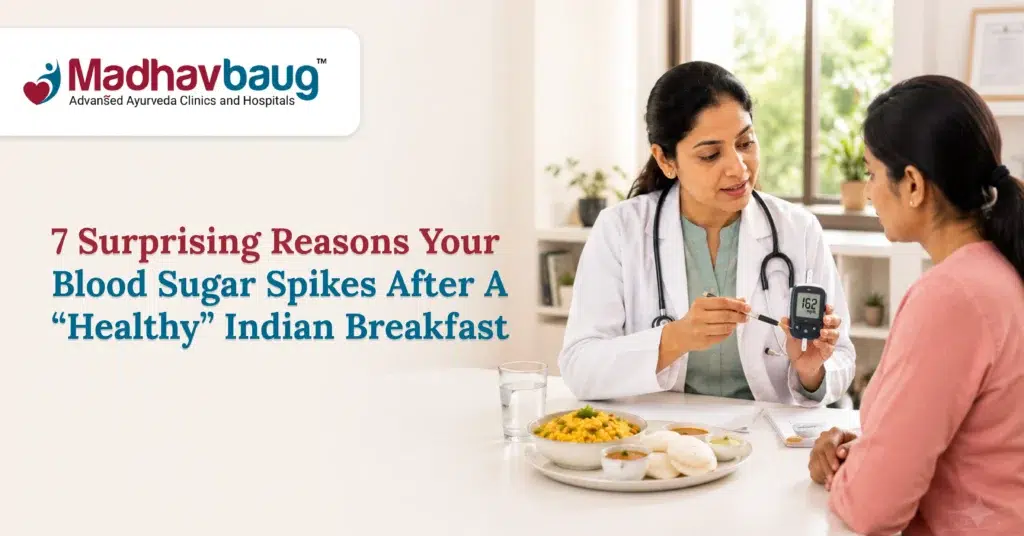
Have you wondered if the breakfast which you eat is actually healthy or not? Many diabetic people may wonder why there is a sudden increase in the blood sugar level even after a healthy meal. It may not be due to an unhealthy type of meal but may be due to some simple tips which you forget while eating. Let’s explore Madhavbaug’s Dr. Asmita’s 7 hidden secrets which cause a blood sugar spike after breakfast. The 7 Hidden Secrets for Healthy Breakfast for Diabetes 1. Physical Movement After Eating Heavy exercises are not indicated, but sitting in Vajrasana (thunderbolt pose) or a brisk walk may be a better solution towards healthier digestion and thus reducing the risk of an increase in blood sugar after breakfast. 2. Fiber-Enriched Meal Carbohydrates can easily turn into blood sugar, but fibre slows the process. Including fibre-rich components like lentils, legumes and vegetables like spinach and many more. (Enloe, A., 2024) Diabetes Patient ke liye 21 Days Diet Plan 🗓️ 3. Avoid Eating Carbohydrates Alone Instead of eating only parathas, pairing them with dishes having protein and heavy fats may slow down the digestion process, leading to a subtle rise rather than a sharp blood sugar spike after breakfast. (Enloe, A., 2024) 4. Every Individual May Have Individual Trigger Foods There cannot be a standard Indian breakfast for diabetes since everybody is unique and may respond to food in a different way. Thus, it is important to note one’s specific meal, which can lead to an increase in blood sugar post-meal. 5. Hydration is Important Dehydration leads to an increase in glucose concentration in the blood, which can lead to an increase in blood glucose post-meal. Something as simple as drinking enough water can support better overall blood sugar control. (MURITALA, I., 2025.) 6. Regularly Reviewing The Medicine Time Don’t “set and forget” your diabetes medication routine. Sometimes the time of medicine may play an important role in the post-meal spike. It is important to note that the time of medicine may not be the same every time. It may change with seasons and other environmental factors. 7. Monitoring is a Feedback Tool, Not Just a Number Regularly checking your blood sugar spike after breakfast isn’t just about the reading but also learning your body’s patterns over time so you can prevent complications accordingly. To know more about personalised care for diabetes and continuous monitoring, book a consultation with Madhavbaug at your nearest centre. Why Does Blood Sugar Rise After Eating? Understanding why blood sugar rises after eating helps you tell the difference between a normal response and a spike which may be risky. The below-mentioned is a generic guideline. However, this may be different and unique to the individual, which shall be confirmed with the doctor. Test Blood Sugar Level Interpretation Fasting Blood Sugar Under 100 mg/dL Normal 2 Hours After a Meal Under 140 mg/dL Normal response (non-diabetic) 2 Hours After a Meal 140–199 mg/dL Impaired glucose tolerance (consult a doctor) 2 Hours After a Meal 200 mg/dL or higher Significant blood sugar spike (needs immediate medical attention) How to Monitor Your Breakfast Response You don’t need to guess which of these traps applies to you. A simple, structured check can show you exactly how your body responds and shows a blood sugar spike after breakfast. Check your fasting blood sugar first thing in the morning, before eating Eat your usual breakfast Check again 2 hours after your first bite Log what you ate alongside both readings in the mibPulse app. Repeat for 3 consecutive days to spot patterns, not just one-off results For easy monitoring, Madhavbaug has developed a continuous monitoring system through the mibPulse app and PowerMAP technology. This can be easy help for you since your doctor monitors your readings and, in case of emergency, can call you immediately. To know more, book a consultation at the nearest Madhavbaug centre. Final Thoughts Diabetes is a lifestyle disorder for which one needs to be dependent on medicines. However, through Madhavbaug’s unique treatment approach, you may not only manage it but also reverse your diabetes. This includes Panchakarma therapies, personalised diet plans and exercises and much more. Read more about the treatment at https://oldsite.madhavbaug.org/ayurvedic-diabetes-reversal-treatment-program/ Dr. Asmita Says, “Your breakfast is not just the first meal of the day, it is the first opportunity to guide your blood sugar in the right direction. Simple habits like balanced food combinations, mindful eating, regular movement, and consistent monitoring can help you take control of your diabetes, one morning at a time.” — Dr. Asmita Mohite, Ayurvedic Diabetologist & Lifestyle Disease Expert (Madhavbaug Vasai East) The blood sugar spike after breakfast is just one concern. Diabetic people may suffer from many such everyday symptoms which may need attention. Madhavbaug can be a one-step solution for many patients and help them meet a healthier version of themselves. Step up, and start your journey with Madhavbaug today. Frequently Asked Questions Q.1 What foods raise blood sugar immediately? Most foods that may cause a rapid spike in blood sugar are foods rich in simple, refined carbohydrates or concentrated sugars. They are low in fibre, protein and healthy fats. So your body digests and absorbs them almost instantly into the bloodstream. Q.2 What is the 15-minute rule for blood sugar? The “15-minute rule” (or 15-15 rule) is a standard way to check blood sugar spike. Have 15 grams of quick-acting carbs, wait 15 minutes and recheck your blood sugar. If it is lower than 70 mg/dL, repeat the procedure. Q.3 Is 170 blood sugar high in the morning? Normal blood sugar after a blood test when a person hasn’t eaten anything overnight would be 99 mg/dL or less. A blood sugar level of 100 mg/dL or higher is considered abnormal. If your blood sugar is between 100 and 125 mg/dL, you have prediabetes; if it’s 126 mg/dL or higher, you have type 2 diabetes. Q.4 Which time is blood sugar high? The dawn phenomenon causes high blood sugar levels. This is called ‘hyperglycaemia’. It usually occurs between 4 a.m. and 8 a.m. The
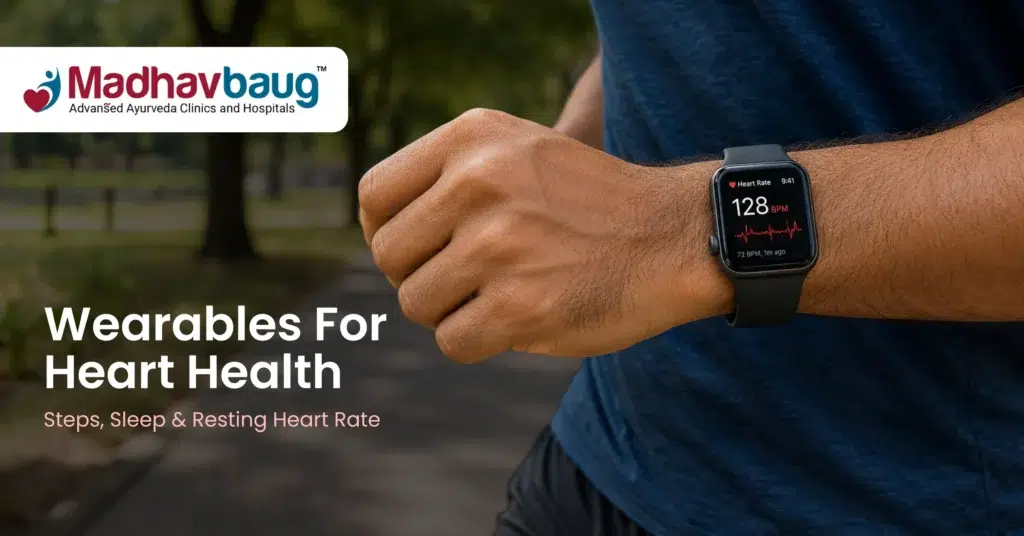
Heart rate (HR) is an important reading which indicates that the heart is functioning properly and may provide an early warning for certain abnormal conditions. The simplicity of ambulatory heart rate measurement by consumer-grade technology increased interest in heart rate monitoring also in non-clinical applications. Today many regularly used devices have developed this technology, such as Apple watch, Fitbit, Oura Ring, etc. As the use of these devices continues to increase, it is important to understand the physiological and technical aspects, together with the evidence supporting the uses of wearable technology for specific indications. Wearable Devices for Heart Health Device What it Can Do What it Cannot Do Smartwatch (Apple Watch, Samsung Galaxy Watch, Garmin, etc.) Tracks your heart rate all day round, even when you are resting. It also monitors your physical activity and sleep. Notifies you when your heart rate is too high or low. Unable to diagnose heart disease. The readings can show errors when your body is too wet or sweaty or the device is not too close to the skin. Fitness Band (Fitbit, Mi Band, etc.) Ability to maintain your daily stepcount Tracks daily activity, calories, and heart rate. Cannot determine underlying heart condition. It estimates the heart rate and is not a reliable reading. ECG Smartwatch Can note a simple ECG. Ability to detect any changes in heart rate, which can even be shared with a doctor if needed. Cannot replace traditional hospital ECG tests. Unable to determine every heart condition Medical Wearable Heart Monitor Heart rate is measured for several days or weeks through continuous monitoring system Can also notify doctors when the heart rate is irregular. Cannot be used on a daily basis. Need to be done under medical supervision. Notes to Remember: Resting heart rate tracker helps you understand how your heart health is changing over time. A sudden change in your normal resting heart rate may be worth discussing with your doctor. Your step count for heart health is a simple way to measure how active you are. Walking regularly can support a healthier heart and improve overall fitness. Wearable Devices for Heart Health are excellent tools for keeping track of your daily health, encouraging regular exercise, and spotting changes early. However, they do not replace regular medical check-ups or professional diagnosis. Step Count For Heart Health Many of us may have taken New Year resolutions to walk 10000 steps every day. Though the 2020 World Health Organization guidelines on physical activity and sedentary behaviour do not include specific thresholds for step counts, studies have shown that walking 1,000 steps every day may reduce the risk of heart disease by 12% to 15% and chances of fatal risks by 8% to 9% (Liu Y, 2022). Walking for a specific amount of steps every day and keeping a track of it can surely be helpful in order to build a habit. It may not be a complete substitute for exercise and physical activity but can surely be helpful in aiding in reducing the risk of heart diseases like coronary heart diseases, etc., and so wearable devices which help track step count can surely be an advantage for maintaining good heart health. Resting Heart Rate Tracker Resting Heart Rate trackers use an important sensor for measuring heart rate called ‘photoplethysmography’ (PPG). It uses light sensors to detect blood volume changes, which helps one track resting heart rate. The increase in quality of PPG sensors has resulted in better heart rate measurement in newer devices which, at rest, are accurate to ECG. Since this is the heart rate measured when a person is at rest, many studies have given recommended guidelines which help one give reliable readings. A minimum inactivity period of 4 minutes is required for reliable heart rate measurement to calculate accurate resting heart rate. Also, engaging in significant exercise immediately is not recommended. Studies also recommend that the true resting heart rate in a 24-hour cycle be tracked accurately in the early morning between 3 am – 7 am. (Speed, C., 2023) Irregular Rhythm Alerts Irregular rhythm detections are alerts that happen when the heart is irregular. They help detect the underlying atrial fibrillation (disruption in the coordinated pumping of blood to the rest of the body). When atrial fibrillation is confirmed, the chances of an underlying heart disease are high, highlighting the need for a medical consultation. As discussed earlier, the increasing technology and advances in the PPG sensor have started giving accurate irregular heart rhythm detections, but they cannot replace medical supervision. This means devices like Fitband which have PPG sensors, can give irregular rhythm alerts; however, the main underlying heart condition can only be assessed through ECG and a proper medical consultation. To understand if your heart rhythm is regular or not, with a wearable device, book a consultation with Madhavbaug and know more about it. Wearable Device and Madhavbaug Madhavbaug uses wearable devices and heart rate monitoring to keep a real-time continuous check on a patient’s cardiovascular health and vital signs. This data is integrated into their digital ecosystem to enable doctors to proactively modify holistic treatments, diet regimens and physical therapies to reverse chronic heart disease. Madhavbaug integrates wearable tech (and at-home vital monitors) through two primary platforms: mibPULSE App: A health-monitoring application that gathers continuous heart rate, blood pressure, and oxygen data. Power MAP: A centralised medical analytics platform used by physicians. It aggregates this real-time data to identify abnormalities, send critical alerts, and track historical trends to monitor a patient’s disease reversal progress. Madhavbaug provides non-invasive cardiac care with modern technology and traditional Ayurvedic practices like Panchakarma detox therapies and customised diets. In Ayurveda the pulse (Nadi) and its rate is primarily governed by the balance of the bodily humours (Doshas). Madhavbaug’s Treatment for Heart Diseases Madhavbaug follows that heart blockages and metabolic disorders are due to the accumulation of Ama (toxins) caused by an improper lifestyle. By tracking heart rate and physical activity levels continuously, physicians can ensure patients are maintaining the active
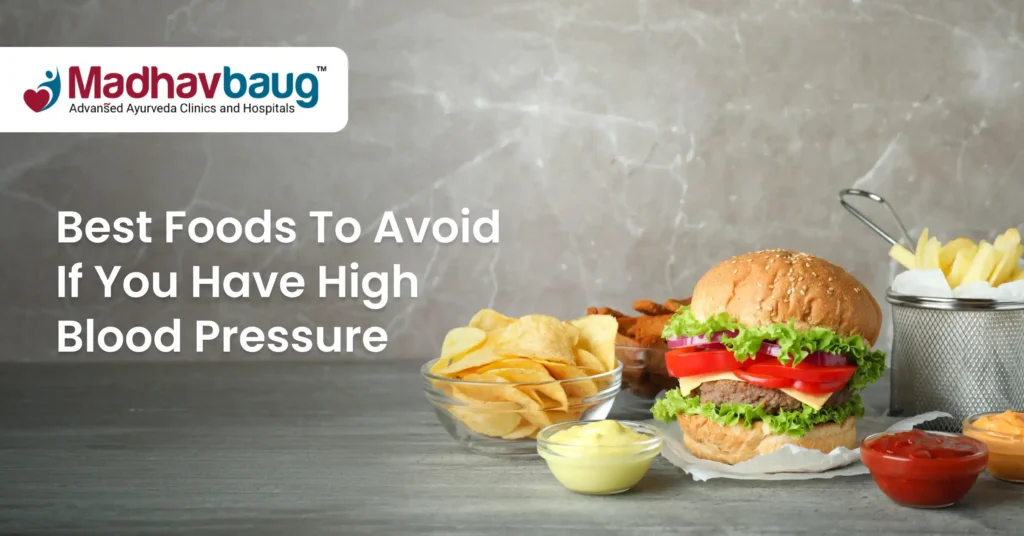
High blood pressure, or hypertension, does not always announce itself. Many people live with it for years without any noticeable symptoms, yet all the while it is quietly putting strain on the heart, arteries, and kidneys. One of the most direct ways to get it under control is through what you eat, and more importantly, what you stop eating. This is not about making your diet boring and inedible. You can choose foods that protect your heart health over time. Why Diet Matters So Much in Hypertension The food you eat every day either helps your blood vessels relax or forces them to work harder. Foods high in sodium, unhealthy fats, and added sugars all increase blood pressure. On the other hand, a diet that follows DASH (Dietary Approaches to Stop Hypertension) principles, rich in potassium, magnesium, fibre, and lean protein, does the opposite. The problem is that many foods that raise blood pressure are everyday staples, especially in Indian households, and they often go unnoticed. Foods That Increase Blood Pressure: The Ones to Watch 1. Table Salt and High-Sodium Foods Sodium is the most well-known trigger for hypertension. It holds excess water in the body, which increases the amount of blood moving through your vessels, which in turn pushes pressure up. The recommended limit for most adults is around 2,300 mg of sodium per day. Many Indians consume a lot more than this limit, without even realising it. High-sodium foods to cut back on: Pickles and papads Packaged namkeen and chips Processed meats like sausages and salami Canned soups and sauces Instant noodles and ready-to-eat meals Restaurant food, especially fast food Even foods that may seem healthy like cottage cheese, buttermilk, and certain breads can be surprisingly high in sodium. Always read labels. 2. Red Meat and Fatty Cuts Fatty meats are high in saturated fats, which raise bad cholesterol. This contributes to the narrowing and stiffening of arteries, making it harder for blood to flow and increasing the blood pressure. Organ meats, red meat consumed in excess, and processed meats like bacon and sausage all fall into this category. This does not mean you need to give up meat entirely, but moderation and leaner choices matter. 3. Full-Fat Dairy Full-fat milk, cream, butter, and ghee (when used in excess) contain saturated fats that can worsen heart health over time. A healthy change to low-fat or skimmed dairy products, and limiting cream-heavy products, can make a real difference. 4. Alcohol Alcohol raises blood pressure directly, even in small amounts. Taking alcohol every day can also interfere with medications for hypertension and add empty calories that contribute to weight gain, another risk factor for high blood pressure. 5. Caffeine For people who are sensitive to it, caffeine can cause a short but noticeable spike in blood pressure. If you notice palpitations or feel your heart racing after chai or coffee, it may be worth reducing their intake and monitoring your readings. 6. Refined Carbohydrates and Added Sugars White bread, maida-based foods, sweets, and sugary drinks contribute to insulin resistance and weight gain, both of which are strongly linked to hypertension. Sugar also promotes inflammation in blood vessels, making them less flexible and more resistant to blood flow. High-sugar foods to limit: Mithai and traditional sweets Packaged biscuits and cakes Sweetened beverages and fruit juices White rice consumed in large quantities 7. Frozen and Canned Foods Most frozen meals, canned vegetables (with salt), and ready-to-cook products are packaged heavily with sodium. Even when the food itself is nutritious, the sodium content can undo the benefit. 8. Condiments and Sauces Ketchup, soy sauce, chutney with added salt, and pickled condiments are sources of high sodium. Just a tablespoon or two can contain several hundred milligrams of sodium. These are easy to overlook because they are consumed in small amounts, but they add up quickly. “In Ayurveda, hypertension is considered a Vata-Pitta imbalance that disturbs the natural flow of Prana through the body. What we eat either aggravates or pacifies these doshas. Foods that are overly salty, sour, pungent, or stimulating are known to disturb this balance and must be consumed mindfully.” – Dr. Vikram Chauhan, M.D. (Ayurveda), Planet Ayurveda Managing Hypertension Starts With Your Diet: Get Help That Lasts If you have been diagnosed with high blood pressure or are at risk, a personalised approach is far more effective than generic advice. Madhavbaug Advanced Ayurveda Clinics and Hospitals specialise in managing cardiovascular conditions, including hypertension, through a combination of classical Ayurvedic treatments, dietary counselling, and lifestyle corrections. Their approach treats the root cause, not just the numbers on the monitor. Book a consultation at Madhavbaug today. What the DASH Diet Actually Recommends The DASH diet is one of the most well-researched dietary approaches for blood pressure control. It does not eliminate any food group but strongly emphasises: Fruits and vegetables high in potassium and magnesium Whole grains instead of carbs Lean proteins like legumes, fish, and low-fat poultry Low-fat dairy Nuts and seeds in moderation Drastically reduced sodium, saturated fat, and added sugar It is worth noting that traditional Indian cooking, when not over-salted or deep-fried, naturally aligns with many DASH diet principles. What Ayurveda Says About Hypertension and Diet Ayurveda identifies hypertension as a condition called Rakta Gata Vata, where aggravated Vata disturbs the flow of blood (Rakta) and creates excess pressure in the channels. Pitta imbalance adds heat and inflammation to this picture. Together, they strain the heart and blood vessels. From an Ayurvedic standpoint, hypertension is not just a physical problem. It is closely connected to stress, poor digestion, and dietary excess. Ayurvedic Dietary Principles for Hypertension Include: Avoiding foods that aggravate Vata and Pitta (excessive salt, sour, spicy, and oily foods) Including naturally cooling and calming foods like amla, pomegranate, cucumber, and coconut water Using medicated herbs like Arjuna (Terminalia arjuna), Ashwagandha, Brahmi, and Sarpagandha, which have been used for centuries to support cardiac function and reduce stress Starting the day with warm water and fenugreek seeds,

