
Snoring loudly, fatigue during the day or waking up in the middle of the night gasping for air may all seem like stress, but the cause may be deeper than that. All of these struggles may signal towards a sleep-related breathing disorder known as Obstructive Sleep Apnea or OSA. Even with diet and exercise, weight-induced obesity breathing problems can silently compromise your health. At Madhavbaug we look beyond the surface symptoms to correct the root metabolic imbalances that disrupt your rest and threaten your heart. What are the symptoms of Sleep Apnea? The most common symptoms of sleep apnea are: Silent breathing pauses and regular long snoring Feeling of choking and waking up in the middle of the night gasping for air Sleepiness during daytime that may be considered excessive Morning headaches that are chronic in nature Mood swings, irritability and difficulty concentrating on tasks during the day How are Sleep Apnea and Obesity Related? OSA can be considered a serious sleep condition wherein breathing repeatedly stops and resumes during sleep. Excess adipose or fat tissues compromise the airway during sleep and can be considered the main cause of this condition. When a person carries excess weight, fat can deposit around their upper airway in the neck, tongue and pharyngeal walls. During sleep, when the muscles relax, these tissues cann collapse inward, and physically block the oxygen passage (Romero-Corral et al., 2010). Additionally, obesity in the abdominal region pushes upward against your diaphragm, and can lead to chronic obesity related breathing problems caused by overall reduced lung volume. The relationship between excess weight and Obstructive Sleep Apnea can be considered a self-perpetuating cycle that is dangerous in nature. Obesity can cause the airway to collapse which may result in sleep deprivation, making it difficult to lose weight. Excess Body Weight → Collapsed Airway & Low Oxygen (OSA) → Frequent Nighttime Awakenings → Hormonal Imbalance (High Ghrelin, Low Leptin) → Intense Sugar/Carb Cravings & Slow Metabolism → Weight Gain Hormonal Disruption (Ghrelin vs. Leptin) Repeated breathing gaps waking you up can cause damage to your circadian rhythm. It disrupts your hunger hormones, spiking levels of Ghrelin, the hunger trigger hormone and declining leptin, the hormone that sends signals of fullness, leading to intense cravings for carbs and sugars during daytime (Morselli et al., 2012). Insulin Resistance and Metabolic Drop Drops in blood oxygen levels AKA hypoxia occurring frequently during the night can result in high levels of cortisol. Cortisol can cause the body to resist insulin, forcing your nervous system and body to store fat instead of burning it as fuel. Cardiovascular and Metabolic Risks Sleep apnea can be more than a snoring habit, if left untreated, it may act as a silent agent for serious cardiovascular risks and metabolic damage. Hypertension (High Blood Pressure) A drop in oxygen caused by gaps in breathing, may trigger a fight or flight response that causes a spike in blood pressure levels, causing permanent damage to the blood vessels (Aronson et al., 2014). Heart Disease & Stroke Frequent nighttime oxygen deprivation can strain the muscles in your heart, increasing the risk of irregular heart beats (atrial fibrillation), heart attacks and strokes (Aronson et al., 2014). Type 2 Diabetes Fluctuating oxygen levels result in cellular stress, directly impairing how the body processes glucose. This increases insulin resistance (Morselli et al., 2012). The Ayurvedic Perspective: Medoroga and Srotorodha From the perspective of Ayurveda, obesity-induced respiratory issues can be paralleled with Sthula (Obesity/Medoroga) and Srotorodha (obstruction of bodily channels). A chain reaction directly impacting your breathing is triggered when a sluggish Agni (digestive fire) fails to metabolise food properly (Bhardwaj and Kukkal, 2022): Ama Accumulation Undigested food turns into Ama (toxic waste), which corrupts the Meda Dhatu (fat tissue). Airway Blockage This toxic fat accumulates in the Gala Pradesha (neck region), physically blocking the Pranavaha Srotas (respiratory channels). Nighttime Aggravation Loud snoring, interrupted breathing and morning exhaustion are a direct result of the Kapha Dosha rising at night and worsening the channel blockage As Kapha Dosha naturally rises at night, this channel blockage worsens. Why Continuous Positive Airway Pressure (CPAP) Treatment Alone Is Not a Cure A sleep apnea doctor with conventional ways would recommend a machine-based approach like lifelong CPAP Treatment. While this mask can force your airway to open up, managing your nighttime symptoms, it may fail to address the root cause of excess pharyngeal and visceral fat. Eliminating deep fat tissue by physically compressing your airway is an important step in the permanent treatment of OSA. Managing Sleep Apnea: What to Do and Avoid Reversing sleep apnea requires targeted lifestyle modifications alongside internal metabolic corrections. The Do’s: Sleep on your side Practice evening pranayam. Consult an obesity specialist The Don’ts: Don’t overlook loud snoring as a symptom of OSA Do not use sedatives & alcohol Late night or Heavy dinners Madhavbaug’s Integrated, Non-Surgical Treatment Approach Instead of relying on lifelong mask dependencies, Madhavbaug offers a clinically proven, scientifically backed Ayurvedic treatment for weight loss that serves as a highly effective, natural sleep apnea treatment. Our holistic approach eliminates the internal fat deposits causing the airway obstruction: Personalised Metabolic Diet Management Our experts design low-glycemic, calorie-optimized diet plans specifically tailored to reduce systemic inflammation and shed stubborn fat deposits around the neck and abdomen, resetting your fat metabolism (Lange and Pałkowska-Goździk, 2025). Panchakarma Detoxification (Udwarthanam & Nasya) Udwarthanam: A dry, herbal powder massage that liquefies subcutaneous fat, clears Ama, and stimulates local blood flow to speed up weight loss (Mishra et al., 2024). Nasya: The administration of medicated oils through the nasal passages to clear obstructions in the Pranavaha Srotas, soothe throat tissues, and reduce upper airway resistance. Therapeutic Yoga and Breathing Exercises Customized yoga protocols, including Kapalbhati and Ujjayi Pranayama, tone the muscles of the upper airway, prevent pharyngeal collapse, and optimize oxygen saturation levels during rest (Sharma et al., 2014). Expert Medical Supervision Throughout your health journey, our specialized physicians monitor your cardiac markers, blood pressure variations, and body composition parameters to ensure safe, sustainable, and highly effective recovery. Start Your Journey Towards

MUMBAI: Madhavbaug (Vaidya Sane Ayurved Labs Ltd.) has achieved a major medical milestone by securing an official patent certificate for the preparation method of its proprietary formulation, the Wincol Churna. This achievement highlights Madhavbaug’s ongoing work to back traditional Ayurvedic healing with modern scientific evidence, giving patients a reliable and non-surgical way to treat chronic health conditions. What is Wincol Churna? Wincol Churna is a specialised Ayurvedic formulation developed by Madhavbaug to support cardiovascular and metabolic health. It is primarily used to help patients manage coronary artery disease, high cholesterol, and related lifestyle disorders. The formulation is rich in natural antioxidants, which help protect the heart and blood vessels from cellular damage. By improving the health and elasticity of the coronary arteries, Wincol Churna supports better blood flow. Additionally, it helps optimise liver function, aids digestion, and assists the body in naturally processing fats. Standardizing Traditional Medicine Getting this patent is an important step forward for modern healthcare. Instead of treating ancient healing and modern medical testing as opposites, Madhavbaug has successfully combined them. The company’s research team carefully designed the production process of Wincol Churna to ensure that every batch is highly effective, consistent, and safe. This patented method ensures that the natural healing properties of the herbs are kept at their highest strength while meeting strict quality control standards. For the medical community, this patent proves that traditional treatments can be scientifically tested, measured, and produced to the highest medical standards. Madhavbaug’s Data-Driven Patient Care Under the leadership of Dr Rohit Sane, Madhavbaug has led the way in blending advanced Western diagnostics with personalised Ayurvedic care. Wincol Churna plays an important role in Madhavbaug’s non-surgical treatments for chronic heart and metabolic health issues. By tracking each patient’s progress with real-time scientific data, including regular medical testing and continuous monitoring, Madhavbaug ensures that traditional treatments provide clear, measurable health improvements. This new patent further supports that scientific approach, turning a traditional remedy into a certified medical treatment. A Step Towards Better Healthcare Securing this patent certificate is a major milestone for Madhavbaug’s growing healthcare network. Guided by a Board of Directors with deep experience in medicine, corporate governance, and hospital management, this achievement shows the company’s commitment to responsible patient care and long-term growth. As Madhavbaug continues to expand, the patent for the Wincol Churna process sets a new standard for integrative medicine in India, proving that combining science with tradition leads to the best outcomes for patients.

Diabetes is growing fast. Over 500 million people worldwide are living with it, and millions more are undiagnosed. It affects how your body uses sugar, and when blood glucose stays high for too long, it quietly damages the heart, nerves, kidneys, and more. The good news is that your daily habits have more power over this condition than most people realise. Whether you have Type 1 or Type 2, these ten tips are practical, evidence-backed, and worth starting today. Already diagnosed and not sure where to begin? Madhavbaug’s specialists can help you build a plan that actually works. Book your consultation today. What Is Diabetes? At its core, diabetes is a blood sugar problem. The body either runs short on insulin or stops responding to it properly, and glucose that should be powering your cells ends up stuck in the bloodstream instead. Type 1 is autoimmune. Something triggers the immune system to attack the pancreas’s own insulin-producing cells. Once they are gone, they are gone. Insulin therapy is not optional here, it is what keeps someone with Type 1 alive and functional. Type 2 is a slower story. The pancreas still works, but the body gradually stops listening to the insulin it produces. Years of dietary patterns, low activity, stress, and in many cases a genetic predisposition, wear down the body’s sensitivity until blood sugar stops coming down the way it should. Most of the tips below apply to both, with some adjustments depending on which type you are managing. 10 Tips to Control Diabetes Monitor Your Blood Sugar Regularly Flying blind with diabetes is genuinely risky. Numbers that feel fine can be quietly doing damage. Regular monitoring connects the dots between what you eat, how you sleep, how stressed you are, and what your blood sugar actually does in response. For Type 1, that usually means several checks a day. A continuous glucose monitor makes this less disruptive by running in the background and flagging trends before they become problems. For Type 2, how often you check depends on your treatment plan, but skipping it entirely is not a good idea. Follow a Diabetes-Friendly Diet Every meal is either working for your blood sugar or against it. The goal is not perfection, it is keeping glucose levels stable across the day rather than constantly spiking and crashing. In practice that means: Low glycaemic index foods over high GI ones Less white rice, maida, refined sugar, and packaged food More leafy greens, whole grains, legumes, lean protein Portion awareness, because even the right foods raise sugar when eaten in excess Exercise Consistently Muscles are one of the body’s main sites for glucose uptake. When you move regularly, they get better at pulling sugar out of the bloodstream, which is essentially what insulin is trying to do anyway. Thirty minutes of moderate activity most days is a reasonable starting point. Walking, cycling, swimming, all of it counts. For Type 2 specifically, adding resistance training twice a week builds the muscle mass that makes insulin work more efficiently. For Type 1, check glucose before and after workouts since exercise can push levels down faster than expected. Maintain a Healthy Weight Fat stored around the abdomen is not passive. It actively interferes with how the body responds to insulin, which is why abdominal obesity and Type 2 diabetes are so closely linked. Losing five to ten percent of body weight can produce noticeable improvements in blood sugar, energy, and how often spikes happen. The approach that actually works is not a crash diet. It is smaller meals, daily movement, and consistent sleep built into routine rather than forced. Take Medications as Prescribed Missing doses is one of the most common reasons blood sugar goes out of control. Medication only does its job when taken consistently, including on days when life gets busy or you feel fine and think you can skip it. For Type 1, insulin is not negotiable. For Type 2, whether the plan involves tablets, insulin, or both, follow it as prescribed and talk to your doctor before making any adjustments on your own. Manage Stress Actively Stress is not just a mental experience. Cortisol, the hormone the body releases under stress, directly raises blood glucose. For someone managing diabetes, chronic stress is a metabolic problem as much as an emotional one. Ways to bring it down that actually work: A few minutes of deep breathing daily Short walks, particularly after meals Yoga or Pranayama Journaling to process what is building up Sleep sits in this category too. Seven to nine hours consistently. Poor sleep raises cortisol, disrupts insulin sensitivity, and makes everything harder to manage the next day. Stay Hydrated When the body is dehydrated, blood becomes more concentrated and glucose levels climb. Water helps the kidneys flush excess sugar out, which is a basic but genuinely useful function. Water as the default drink throughout the day Sugary drinks and packaged juices spike levels quickly, avoid them Alcohol disrupts how the body regulates sugar, keep it limited Prioritise Sleep Quality Poor sleep makes the body less sensitive to insulin. Sugar stays in the bloodstream longer, control gets harder, and the cycle compounds over months. There is also a well-documented link between sleep apnoea and Type 2 diabetes. If you snore heavily or wake up tired despite a full night in bed, it is worth investigating. Simple habits that help: Same sleep and wake time every day No screens for an hour before bed Dark, cool room Quit Smoking Smoking increases insulin resistance independently of diet and activity. It also impairs circulation, slows healing, and raises the risk of nerve damage, kidney disease, and heart complications, all of which are already elevated risks with diabetes. Nicotine patches or gums can ease the transition Talk to your doctor about a structured cessation plan Every step toward quitting makes a measurable difference to your metabolic health Schedule Regular Medical Check-Ups Do not wait for symptoms. By the time something feels wrong, damage

India is facing a silent epidemic. Over a million Indians are living with diabetes today, and millions more remain undiagnosed. These are not just statistics. They represent real people whose lives are being shaped by a condition that, in many cases, could have been prevented or caught earlier. Understanding what causes diabetes is the first and most powerful step toward protecting yourself. Because diabetes is not one thing with one cause. The why behind rising blood sugar differs from person to person, and so does the path forward. Wondering where you stand right now? A simple consultation can help you assess your risk before symptoms even begin. Book your consultation with Madhavbaug today. What Is Diabetes and What Causes It? Your body runs on glucose, a form of sugar derived from food. Insulin, a hormone made by the pancreas, works like a key, unlocking cells so glucose can enter and be used as energy. Diabetes happens when this process breaks down. That breakdown happens in one of two ways. In Type 1 diabetes, the immune system attacks and destroys the insulin-producing beta cells in the pancreas. Little to no insulin gets produced. This is an autoimmune condition driven by genetic predisposition and environmental triggers like certain viral infections in early childhood. It is not a lifestyle disease. Diet, weight, and activity levels do not cause it. It typically appears in children and young adults and requires lifelong insulin therapy. In Type 2 diabetes, the pancreas still produces insulin but the body’s cells, particularly in the muscles, liver, and fat tissue, gradually stop responding to it. The pancreas compensates by producing more, and over time it cannot keep up. Blood sugar climbs. This type unfolds quietly over years and is strongly shaped by lifestyle, environment, and in some cases genetics. Because of that, meaningful reversal is genuinely possible with the right intervention. Type 2 is by far the more common of the two, and it is the one most Indians need to understand in detail. In the Indian context specifically, there is a higher genetic predisposition to insulin resistance. Combined with diets high in refined carbohydrates, increasingly sedentary lifestyles, and chronic stress, this creates the conditions for Type 2 diabetes to develop often a decade earlier than in Western populations. The main causes of sugar diabetes in Type 2 come down to: Diets high in refined sugar, white rice, maida, and ultra-processed foods that repeatedly spike blood glucose Lack of physical activity making the body less efficient at clearing sugar from the bloodstream Abdominal obesity, which is metabolically active and directly drives insulin resistance Chronic stress keeping cortisol elevated and blood glucose consistently higher than it should be Poor sleep impairing insulin regulation and increasing hunger hormones These are not isolated problems. They feed into each other and collectively push the body toward metabolic dysfunction. What Are the Key Risk Factors for Diabetes? Risk factors are not a diagnosis. They are warning signals, and the earlier you spot them the more room you have to act. The main ones to know: Age above 30: risk increases steadily with age, and for Indians it starts earlier than global averages suggest Family history: a first degree relative with diabetes raises your risk significantly Sedentary lifestyle: long hours of sitting with minimal movement Abdominal obesity: fat around the midsection is a direct driver of insulin resistance High blood pressure or abnormal cholesterol PCOS in women: polycystic ovary syndrome is closely linked to insulin resistance and significantly raises diabetes risk Prediabetes: blood sugar levels that are elevated but not yet in the diabetic range None of these make diabetes inevitable. But they do mean you should not be waiting for symptoms before getting screened. These warning signs are your chance to act, not panic. Book a preventive consultation at Madhavbaug and take control early. How Can You Prevent Diabetes? Prevention does not require dramatic changes. It requires consistent ones. Maintain a healthy weight. Even a five to seven percent reduction in body weight can dramatically lower diabetes risk in high-risk individuals. Abdominal fat in particular responds well to dietary and activity changes. Eat whole, unprocessed food. Cut refined carbohydrates and sugar. Build meals around vegetables, whole grains, lean protein, and healthy fats. The goal is stable blood sugar across the day, not perfection at every meal. Move every day. Thirty minutes of moderate activity five days a week improves insulin sensitivity meaningfully. It does not have to be the gym. Walking works. Manage stress actively. Cortisol is a blood sugar raiser. Yoga, Pranayama, and mindfulness are not lifestyle extras. They are metabolic tools. Prioritise sleep. Seven to eight hours consistently. Disrupted sleep impairs insulin regulation in ways that compound over months and years. Get screened regularly. Prediabetes has no symptoms. A simple HbA1c or fasting blood sugar test can catch the problem before it becomes diabetes. For Indians above 30 with any risk factor, annual screening is not overcaution, it is common sense. How Madhavbaug Can Help At Madhavbaug, diabetes is treated as a metabolic and cardiac health concern that deserves a proper investigation, not just a prescription. The team works with you to: Assess your current metabolic risk with full diagnostics including HbA1c, fasting blood sugar, and cardiac markers Identify the root drivers: insulin resistance, lifestyle factors, hormonal imbalances, or genetics Build a personalised plan using Ayurvedic therapies, dietary correction, and guided physiotherapy Support active diabetes prevention or reversal depending on where you are in the process Monitor progress regularly and adjust the plan as your body responds The right guidance at the right time makes all the difference. Diabetes does not develop overnight, and that means there is almost always a window to act. Begin your guided diabetes prevention journey with Madhavbaug. Visit madhavbaug.org to book your consultation today. Frequently Asked Questions What causes diabetes? Diabetes occurs when your body cannot produce enough insulin or use it effectively. This leads to high blood sugar levels over time. What is the main cause

Managing diabetes is not just about medication or blood sugar monitoring. What you eat every single day plays a direct role in keeping glucose levels stable, energy consistent, and long-term complications at bay. Having a reliable list of foods for diabetics takes the guesswork out of meal planning and helps you make confident choices at every meal. Whether you are newly diagnosed or have been managing diabetes for years, this guide breaks down the best foods for diabetics, what to limit, and how to build a daily eating pattern that actually works. Not sure how to build a diabetes-friendly meal plan for your specific condition? Madhavbaug’s specialists can help. Book your consultation today. What Is Diabetes and Why Do Food Choices Matter? Diabetes is a condition where the body either cannot produce enough insulin or cannot use it effectively, causing blood sugar to rise after meals instead of being used as energy. Type 1 is autoimmune. The pancreas produces little to no insulin, so insulin therapy is essential. Type 2 develops gradually through insulin resistance, where the body stops responding to insulin properly. Lifestyle, diet, and genetics all contribute, and unlike Type 1, it can often be managed and reversed with the right approach. For both types, food sits at the centre of management. Every meal either supports stable blood sugar or works against it. The right food for diabetic patients helps: Keep glucose levels steady throughout the day Reduce the risk of complications including heart disease, kidney damage, and nerve issues Support a healthy weight, which directly impacts insulin sensitivity Provide sustained energy without sharp spikes and crashes The goal is not a restrictive, joyless diet. It is choosing foods that work with your body rather than against it. List of Foods for Diabetics Non-Starchy Vegetables Low in carbohydrates, high in fibre, and packed with nutrients. These have minimal impact on blood sugar and can be eaten generously at every meal. Spinach, kale, methi, and other leafy greens Broccoli and cauliflower Cucumber, zucchini, and bell peppers Tomatoes, mushrooms, and onions Bitter gourd (karela) and drumstick (moringa) Whole Grains Digested slowly, which prevents rapid blood sugar spikes. An important part of the food for diabetic patients who need sustained energy. Oats and rolled oats Brown rice in controlled portions Whole wheat roti Millets: ragi, jowar, bajra Barley and quinoa Millets deserve particular mention for Indian diets. Low glycaemic index, high fibre, and widely available. Legumes and Pulses Rich in plant protein, slow-digesting carbohydrates, and soluble fibre. A bowl of dal with vegetables is genuinely one of the most diabetes-friendly meals you can have. Lentils: masoor, moong, toor dal Chickpeas and rajma Black beans and green peas Soybeans and edamame Lean Proteins Protein does not raise blood sugar and keeps you full longer, reducing the urge to reach for high-sugar snacks between meals. Eggs, particularly egg whites Skinless chicken and turkey Fish: salmon, mackerel, sardines, rohu Low-fat paneer and tofu Low-fat Greek yogurt and cottage cheese Fatty fish like salmon are worth prioritising specifically. They provide omega-3 fatty acids that support heart health, a key concern for people with diabetes. Healthy Fats The right fats slow digestion and help stabilise blood sugar after meals. A small handful of nuts as a snack beats a biscuit every time. Almonds, walnuts, pistachios Chia seeds, flaxseeds, sunflower seeds Avocado Olive oil and cold-pressed coconut oil in moderation Nut butters without added sugar Low-Glycaemic Fruits Fruit contains natural sugar, but many fruits have a low glycaemic index and are still good foods for diabetics in appropriate portions. Avoid fruit juices entirely, even freshly squeezed, as they remove the fibre and concentrate the sugar. Guava: high fibre, low sugar Jamun: known for blood sugar lowering properties Berries: strawberries, blueberries, raspberries Apples and pears with skin on Citrus fruits: oranges, sweet lime Papaya and watermelon in small portions Dairy Low-fat dairy provides calcium and protein without excess saturated fat. Always choose unsweetened versions. Low-fat or skimmed milk Unsweetened curd or yogurt Low-fat paneer Unsweetened almond or soy milk 10 Best Foods for Diabetics If you want a simple starting point, these are the ten to build your diet around: Leafy greens: spinach and methi Oats for a slow-release breakfast Eggs for high-quality protein Fatty fish for omega-3s Almonds and walnuts for healthy fats Chia seeds and flaxseeds for fibre Lentils and dal for protein and slow carbs Bitter gourd (karela) for natural blood sugar support Guava and jamun as low-sugar fruit options Curd or Greek yogurt for protein and gut health Foods to Avoid or Limit Refined carbohydrates and sugar: White rice, white bread, maida-based products Pastries, cakes, biscuits, mithai Sugary cereals and packaged breakfast foods Sugary drinks: Soft drinks and colas Packaged juices and energy drinks Sweetened tea or coffee Flavoured milk and milkshakes Fried and processed foods: Samosas, pakoras, chips Fast food burgers and fried chicken Packaged namkeen and processed snacks High-fat dairy and red meat: Full-fat cream and butter in large quantities Processed meats like sausages and deli meats Fatty cuts of red meat Alcohol interferes with blood sugar regulation and interacts with diabetes medications. If you do drink, do so in moderation, always with food, and consult your doctor first. How to Build a Diabetes-Friendly Plate A simple framework for every meal: Half the plate: non-starchy vegetables One quarter: lean protein One quarter: whole grains or legumes Small amounts of healthy fat Eat at regular intervals and stay well hydrated throughout the day How Madhavbaug Can Help At Madhavbaug, diet is not treated as a generic prescription. Every plan is built around your specific metabolic profile, your blood sugar patterns, your health history, and your daily life. The team works with you to: Identify which foods are specifically working against your blood sugar control Build a personalised meal plan combining Ayurvedic dietary principles with modern nutritional guidance Address insulin resistance through diet alongside Ayurvedic therapies and physiotherapy Monitor progress and adjust recommendations as your body responds Food is medicine when chosen correctly.

Diabetes affects millions of people worldwide, yet a huge number of cases go undiagnosed for years. Not because the signs are not there, but because they are easy to brush off. Persistent tiredness, a little more thirst than usual, needing the bathroom more often at night. Each one on its own sounds like nothing. Together, they can be your body trying to tell you something important. Whether you are concerned about Type 1, Type 2, or want to understand how symptoms differ between men and women, knowing what to look for changes everything. Noticing some of these signs? Do not wait and see. Book a consultation with Madhavbaug today. What Is Diabetes? When the body cannot produce or use insulin properly, blood sugar builds up in the bloodstream instead of being used as energy. Over time, that excess glucose starts affecting nerves, organs, and blood vessels, and that is what produces the early warning signs. With Type 2 specifically, this process is slow. Symptoms develop quietly over months or years, which is exactly why so many people live with it without realising it. Early Symptoms of Diabetes These show up across both Type 1 and Type 2: Frequent urination: The kidneys work overtime trying to filter excess sugar out of the blood. More trips to the bathroom, including through the night, is one of the first things people notice. Extreme thirst: Directly tied to frequent urination. The body is losing more fluid than usual and keeps signalling for more. No matter how much you drink, the thirst does not fully go away. Unexplained fatigue: When cells cannot absorb glucose properly, the body runs low on fuel despite eating normally. This tiredness is not ordinary end-of-day tiredness. It is persistent, disproportionate, and does not improve with rest. Blurred vision: High blood sugar pulls fluid from the lenses of the eyes, temporarily distorting focus. Many people assume they need a new glasses prescription. Sometimes it is actually their blood sugar. Slow-healing wounds: Cuts, bruises, or infections that linger far longer than they should. Elevated glucose impairs both circulation and immune response, so the body’s repair process slows down significantly. Increased hunger despite eating: Because cells are not getting energy from glucose properly, the body keeps sending hunger signals even after a full meal. Tingling or numbness: Usually starts in the hands and feet. Prolonged high blood sugar damages nerves over time, producing a tingling, burning, or numb sensation that can come and go. Recurring infections: Yeast infections, urinary tract infections, skin infections that keep coming back. High glucose creates an environment where bacteria and fungi thrive, making the body more vulnerable to repeated infections. Symptoms of Type 1 Diabetes Type 1 is autoimmune. The body stops producing insulin entirely and symptoms tend to come on fast and intensely, sometimes over days or weeks rather than months. Key signs: Rapid, unexplained weight loss Nausea and vomiting Stomach pain Extreme fatigue appearing quickly Sweet or fruity-smelling breath, which is a sign of diabetic ketoacidosis and needs emergency attention Symptoms of Type 2 Diabetes Type 2 symptoms develop slowly and are often so subtle that people normalise them for years before getting tested. Watch for: Gradual weight gain, especially around the abdomen Dark, velvety patches of skin in body folds, a condition called acanthosis nigricans Frequent yeast or skin infections Thirst and urination that has crept up so gradually it feels normal Low energy throughout most of the day Diabetes Symptoms in Men Beyond the general signs, men with undiagnosed diabetes may also notice: Reduced sex drive and erectile dysfunction from nerve and circulation damage Loss of muscle mass as the body breaks down muscle for energy Difficulty controlling urination Lower testosterone levels linked to insulin resistance Men are less likely to visit a doctor at the first sign of trouble, which means diabetes tends to progress further before it gets caught. Fatigue combined with increased thirst and any sexual health changes together is a combination worth taking seriously. Symptoms of Diabetes in Women In women, diabetes symptoms can easily be mistaken for hormonal fluctuations or stress, which is part of why they get missed. Pay attention to: Recurring yeast infections or bacterial vaginosis Urinary tract infections that keep coming back PCOS, which is closely linked to insulin resistance and often appears before a Type 2 diagnosis Hormonal fluctuations making blood sugar harder to manage Extreme fatigue being attributed to stress or cycle-related changes Dry, itchy skin particularly around the lower body Women who had gestational diabetes during pregnancy face a higher risk of developing Type 2 diabetes later in life. Postpartum blood sugar monitoring is not optional for this group. When Should You See a Doctor? Do not wait for all the signs to line up perfectly. See a doctor if: Two or more of the symptoms above are appearing together Symptoms have been worsening over several weeks You have a family history of diabetes alongside any of these signs You are above 45 and have not had a blood sugar test recently You are overweight with a sedentary lifestyle A fasting blood glucose test or HbA1c can confirm or rule it out quickly. Neither test is complicated or uncomfortable. The information they give you is. How Madhavbaug Can Help At Madhavbaug, early detection is treated as an opportunity, not just a diagnosis. The team works with you to: Run full diagnostics: HbA1c, fasting blood sugar, and cardiac and metabolic markers Identify whether insulin resistance, hormonal imbalance, or lifestyle factors are at the root Build a personalised plan using Ayurvedic therapies, dietary correction, and physiotherapy Support active prevention or reversal depending on where you are in the process Monitor progress and adjust the plan as your body responds Symptoms are your body trying to communicate. The earlier you listen, the more options you have. Book your consultation at madhavbaug.org today. Frequently Asked Questions What are the 10 early warning signs of diabetes? Frequent urination, thirst, fatigue, blurred vision, slow healing, hunger, tingling, infections,

Living with diabetes can feel like a constant negotiation. Every meal, every stressful day, every bad night of sleep shows up in your numbers. But here is what most people are not told early enough: the daily habits that control blood sugar are not complicated, and they do not require expensive medication or dramatic lifestyle overhauls to work. Small, consistent changes in how you eat, move, and manage stress can keep glucose in a healthy range and protect you from the complications that build quietly over years, nerve damage, kidney disease, heart problems. Ready to take control? Book a consultation with Madhavbaug’s expert team for a personalised, root-cause approach to diabetes that combines Ayurveda, modern diagnostics, and lifestyle therapy. What Is Blood Sugar and Why Does It Matter? Every time you eat carbohydrates, they break down into glucose and enter the bloodstream. The pancreas responds by releasing insulin, which acts like a key that unlocks cells so glucose can get in and be used as energy. In Type 1 diabetes, the immune system destroys the insulin-producing cells entirely. The pancreas produces little to no insulin, lifelong insulin therapy is essential, and this type cannot be reversed. In Type 2 diabetes, the pancreas still works but the body’s cells gradually stop responding to insulin properly. This is called insulin resistance. It is the most common form of diabetes, strongly tied to lifestyle, and unlike Type 1, it can be managed and in many cases reversed with the right intervention. When blood sugar stays high over months and years, it quietly damages blood vessels, nerves, and organs. The heart, kidneys, eyes, and feet are all affected. Keeping levels within the recommended range, roughly 80 to 130 mg/dL before meals and below 180 mg/dL two hours after eating, is not optional for long-term health. Which Foods Actually Help Control Blood Sugar? Food is the most direct lever you have. The goal is not to cut all carbohydrates. It is to choose options that release glucose slowly, prevent spikes, and keep the body’s insulin response from constantly being overwhelmed. Foods that support stable blood sugar: Whole grains: millets, oats, brown rice, barley Legumes: lentils, dal, rajma, chickpeas Non-starchy vegetables: leafy greens, bitter gourd, cucumber, broccoli Healthy fats: almonds, walnuts, flaxseeds, cold-pressed oils Lean proteins: eggs, fish, low-fat paneer, curd Foods to cut back on significantly: Refined carbs: maida, white rice, white bread, biscuits Sugary drinks: packaged juices, sodas, sweetened chai Ultra-processed snacks with hidden sugars listed as maltose, dextrose, or corn syrup on the label One thing worth knowing: it is not just what you eat but when and how much. Eating at fixed times, keeping dinner light, and avoiding large meals close to bedtime all help regulate the body’s glucose response consistently across the day. Why Exercise Has Such a Direct Effect on Blood Sugar Muscles are one of the body’s primary sites for glucose uptake. When you move, they pull sugar directly out of the bloodstream, with or without insulin. Regular activity also improves insulin sensitivity over time, which means the body gets better at managing blood sugar even when you are not exercising. What to aim for each week: 150 minutes of moderate aerobic activity: brisk walking, cycling, swimming Strength training at least twice a week to build muscle mass A five minute walk every thirty minutes if your work involves long periods of sitting A consistent thirty minute walk after dinner can produce visible improvements in post-meal blood sugar within a few weeks. It is one of the simplest and most underused diabetes control tools available. How Stress Quietly Raises Blood Sugar Stress is not just a mental experience. When the body perceives stress, it releases cortisol and adrenaline, hormones that push stored glucose into the bloodstream as a rapid energy response. For someone with Type 2 diabetes, these repeated hormonal spikes make HbA1c harder to control and create a cycle that is difficult to break. Chronic stress also drives the habits that make everything worse: skipping meals, emotional eating, disrupted sleep, and reduced motivation to exercise. Things that genuinely help: Yoga and Pranayama, particularly for managing cortisol Ten to fifteen minutes of daily meditation or mindfulness Seven to eight hours of consistent, quality sleep Staying socially connected, isolation compounds stress in ways that show up metabolically When and How to Monitor Blood Sugar at Home Regular monitoring removes guesswork. It shows you exactly how specific foods, activities, and stressors are affecting your glucose, which is information no generic advice can give you. Useful times to check: Fasting, first thing in the morning Before each main meal Two hours after eating Before and after exercise, particularly if you are on insulin At bedtime Patterns over time matter more than any single reading. If levels are consistently sitting outside your target range, that is a conversation to have with your doctor, not a reason to adjust medication on your own. How Madhavbaug Can Help Most diabetes treatment focuses on managing numbers. Madhavbaug’s approach goes further. The Comprehensive Diabetic Care programme targets insulin resistance and metabolic imbalance at the root, not just the blood sugar reading that results from it. The team works with you to: Run full diagnostics: HbA1c, fasting blood sugar, cardiac and metabolic markers Identify root drivers: insulin resistance, hormonal imbalances, lifestyle factors Build a personalised plan combining Panchakarma detox, Ayurvedic herbal medicines, dietary therapy, physiotherapy, and lifestyle correction Restore the body’s natural insulin response over time, not just suppress symptoms Monitor progress and adjust the plan as your body responds Every protocol at Madhavbaug is backed by published research and peer-reviewed trials. This is evidence-based integrative medicine, not guesswork. Managing diabetes starts with the right daily habits. Expert-guided, root-cause treatment takes you the rest of the way. Visit madhavbaug.org to book your consultation today. Frequently Asked Questions How to control sugar in 7 days? You can start lowering blood sugar within a week by following a controlled diet, regular physical activity, proper medication, and consistent monitoring. What

It was not one bad meal or one lazy month. It was years of eating on the go, sitting at desks, sleeping poorly, and managing stress with whatever was convenient. For millions of people in India right now, the result is a body that feels unfamiliar and a weight problem that does not respond to half-measures. Surgery is not always the answer. Medication is not always the answer. What works, and what has worked for thousands of Madhavbaug patients, is addressing the actual root cause: the diet, the habits, the metabolic imbalance underneath it all. What Is Obesity? A BMI of 30 or above puts you in the obese category. But the number is less important than what is happening inside. Obesity is not just stored fat. It is the body’s response to a prolonged imbalance between how much energy is coming in and how much is going out, often made worse by hormones, genetics, and years of lifestyle patterns that nobody flagged as a problem until the damage was done. What Are The Causes of Obesity? There is rarely one single cause. Most people dealing with obesity are dealing with several of these at once: Eating habits built around processed, packaged, or fried food Very little physical movement through the day Stress that leads to eating for comfort rather than hunger Hormonal issues like thyroid dysfunction or insulin resistance Family history and genetic tendency to gain weight Medications that quietly cause weight gain as a side effect The reason generic advice fails so often is because it does not account for this overlap. Treating just one factor while ignoring the rest does not get very far. How Do You Control Obesity Naturally? Dietary Management The dietary management of obesity does not mean eating less of everything. It means eating differently. Research consistently shows that losing even 5 to 10 percent of body weight brings real improvements in blood sugar, blood pressure, and cholesterol levels. That kind of result is achievable without surgery, given the right guidance and the right food choices. What to stop eating so much of: Sugary drinks, including the ones marketed as healthy juices Anything deep-fried or heavily processed White bread, maida-based foods, refined carbohydrates Packaged and ready-to-eat meals What to actually eat more of: Vegetables and fresh fruit Millets, oats, brown rice, and other whole grains Dal, rajma, chana, and other legumes Low-fat dairy and lean protein sources Portion size matters too. Smaller meals spread across the day keep blood sugar stable and reduce the urge to overeat at the next sitting. Exercise 150 minutes of moderate activity per week is the standard recommendation. That breaks down to about 20 to 25 minutes a day, which is not that much once you stop thinking of it as a gym commitment. Brisk walking works. Surya Namaskar works. Cycling works. So does just choosing stairs over the lift and walking to the shop instead of calling for delivery. Consistency over intensity, especially in the beginning. Sleep This one gets ignored constantly. Poor sleep raises ghrelin, the hormone that makes you hungry, and suppresses leptin, the hormone that tells you to stop eating. The result is increased appetite and stronger cravings, particularly for high-calorie foods. Seven to eight hours of proper sleep is one of the most underrated healthy weight management tips there is. It costs nothing and most people are not getting enough of it. Role of Chronic Stress Cortisol, the primary stress hormone, tells the body to store fat. Specifically around the abdomen. People under sustained stress often find that even when their diet is reasonable, the weight around the middle does not shift. Simple things that help: Ten to fifteen minutes of meditation or mindfulness daily Pranayama breathing exercises in the morning A short walk in the evening, without a phone Writing things down before bed to clear mental clutter Home Remedies for Obesity Worth Actually Trying These are not magic solutions. But used consistently alongside proper diet and movement, they can support the process in a real way. Warm water with lemon and honey first thing in the morning A small amount of diluted apple cider vinegar before meals Jeera water, soaked overnight and drunk in the morning Triphala powder with warm water before bed Turmeric and ginger regularly in cooking Replacing refined cooking oil with cold-pressed coconut or mustard oil Small changes, done daily, add up. How Madhavbaug Approaches Obesity Treatment Through Ayurveda Obesity treatment in Ayurveda starts from a different place than conventional medicine. The focus is on Kapha dosha, which governs metabolism, fluid balance, and fat storage in the body. When Kapha is out of balance, digestion slows, energy drops, and fat accumulates. Correcting that imbalance is where treatment begins. At Madhavbaug, specific therapies are used based on individual assessment: Udwarthanam: A herbal powder massage done against the grain of hair follicles, used to stimulate fat metabolism and lymphatic drainage Panchakarma: A structured detox protocol that clears accumulated metabolic waste from the body Customised herbal formulations: Prepared individually to support digestion and metabolic regulation Herbs that are commonly part of the treatment plan: Triphala: For digestion support and gentle detoxification Guggul: Traditionally used for its fat-regulating effects Methi (Fenugreek): Helps manage blood sugar and reduce appetite Vijaysar: Used in Ayurvedic practice for metabolic support What makes Madhavbaug different is that this is not pure Ayurveda in isolation. Classical protocols are combined with modern cardiac and metabolic science. Cardiologists, Ayurvedic physicians, and wellness specialists work together. The result is care that is both evidence-informed and genuinely holistic. Ready To Start Your Weight Loss Journey? If you have been trying to lose weight and keep hitting the same wall, it is worth looking at what you have not addressed yet. Diet alone. Exercise alone. Neither one tends to be enough. Madhavbaug offers a consultation-first approach. You come in, your condition is assessed properly, and a plan is built around you, not around a template. No surgery. No side effects. Just a structured,
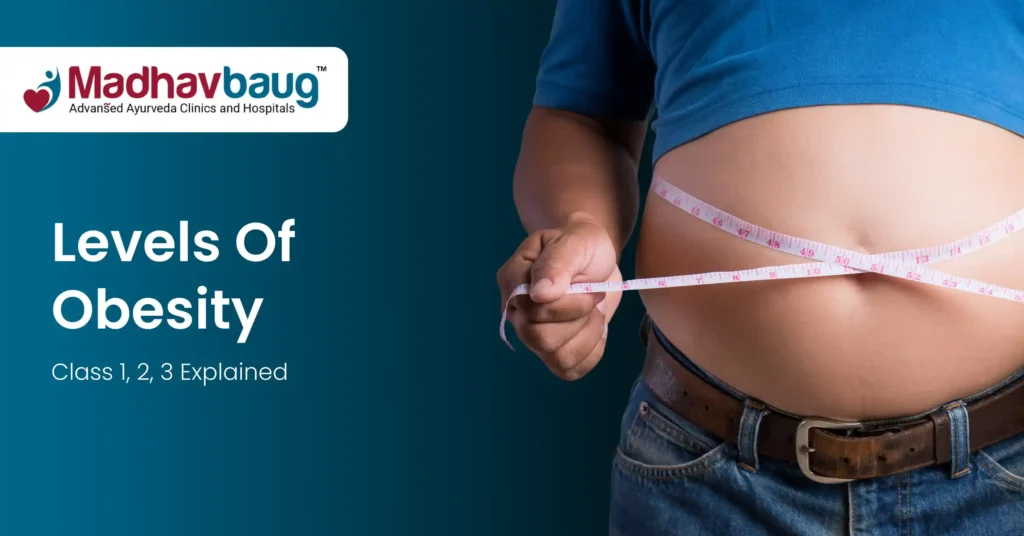
Obesity is not a single condition with one risk level. Two people can both be classified as obese and have completely different health situations depending on where they fall on the scale. Understanding which class applies to you, and what it actually means for your body, is the first step toward doing something about it. Want to know your obesity class and what it means for your heart health? Book a comprehensive assessment at madhavbaug.org. What Is Obesity? Obesity means excess body fat that has reached a level where it actively puts your health at risk. It is not just about how you look or how your clothes fit. At a biological level, excess fat, particularly visceral fat stored around the organs, disrupts how the body processes insulin, raises blood pressure and cholesterol, drives inflammation, and strains the heart, joints, and liver simultaneously. What makes obesity particularly difficult to address is that it rarely feels serious in its early stages. The metabolic damage builds quietly over years before symptoms become obvious. By the time most people seek help, the condition has already progressed further than it needed to. How Is Obesity Classified and Why Does It Matter? Obesity classification is a medical system that groups excess body weight into categories based on BMI, calculated by dividing weight in kilograms by height in metres squared. The reason classification matters is straightforward. A person with a BMI of 31 and a person with a BMI of 45 are both technically obese, but their health risks, complications, and treatment needs are vastly different. Grouping them together makes no clinical sense. The three class system helps doctors: Assess how serious the health risk actually is Decide what level of intervention is needed Track whether treatment is moving someone into a safer range Prioritise care for those at highest risk For Indians specifically, research shows that metabolic risk starts appearing at lower BMI values than global charts suggest. This means the obese range effectively begins earlier for South Asians than the standard thresholds indicate. What Are the Adult BMI Categories? Below 18.5: Underweight 18.5 to 24.9: Normal healthy weight 25 to 29.9: Overweight 30 to 34.9: Class 1 obesity 35 to 39.9: Class 2 obesity 40 and above: Class 3 obesity The WHO Expert Consultation (2004) and subsequent Indian guidelines recommend revised cut-offs for Indians: Category Global BMI Indian-Specific BMI Notes Normal weight 18.5–24.9 18.5–22.9 Lower cut-off for Indians Overweight 25–29.9 23–24.9 Risk begins earlier Obese (Class 1) 30–34.9 25–29.9 Metabolic risk well established Obese (Class 2) 35–39.9 30–34.9 Active intervention required Obese (Class 3) ≥ 40 ≥ 35 Highest risk category These are the standard adult BMI categories used globally. For Indians, risk at each level tends to be higher than these numbers suggest on their own. What Is Class 1 Obesity? Class 1 obesity is defined as a BMI between 30 and 34.9. It is the entry point into the obese range, and in many ways the most important stage to catch, because it is also the most responsive to intervention. Most people in this category do not feel dramatically unwell. Energy levels might be slightly lower, weight loss might feel harder than before, and a few numbers on a blood test might be creeping in the wrong direction. That is exactly what makes it easy to ignore, and exactly why ignoring it is a mistake. Health risks at Class 1 obesity: Early insulin resistance and rising blood sugar Mildly elevated blood pressure and cholesterol Increased joint strain, especially in the knees Early signs of fatty liver Reduced stamina Rising risk of type 2 diabetes within five to ten years The good news is that consistent dietary changes, regular movement, better sleep, and stress management at this stage can bring BMI back into a healthy range without requiring aggressive medical treatment. This is the stage where action has the highest return. What Is Class 2 Obesity? Class 2 obesity is defined as a BMI between 35 and 39.9. At this point the health risks are no longer early or mild. They are active and significant. Health risks at Class 2 obesity: High likelihood of type 2 diabetes or pre-diabetes Significantly elevated blood pressure and cardiac risk Sleep apnoea disrupting rest and recovery Hormonal disruption in both men and women Worsening joint deterioration Increasing impact on mental health At Class 2, even a five to ten percent reduction in body weight produces meaningful improvements in blood sugar, blood pressure, and cardiac markers. But achieving and sustaining that loss typically requires professional guidance, not willpower alone. This is where medically supervised intervention makes a real difference. What Is Class 3 Obesity? Class 3 obesity, also called severe or morbid obesity, is defined as a BMI of 40 and above. This is the most serious level of the obesity classification system and carries the highest risk of life-threatening complications. Health risks at Class 3 obesity: Very high risk of heart attack and stroke Advanced type 2 diabetes with complications Significant liver damage from non-alcoholic fatty liver disease Serious joint deterioration affecting mobility Substantially reduced life expectancy Class 3 obesity does not develop overnight. It is the result of years of unaddressed weight gain, often compounded by hormonal imbalances, genetic factors, and an environment that made gaining weight easy and losing it very hard. At this stage, lifestyle changes alone are rarely sufficient. Medical supervision, targeted therapeutic programmes, and in some cases bariatric surgery are considered as part of the treatment approach. Class BMI Range Risk Level Key Health Risks Treatment Approach Class 1 30 to 34.9 Moderate Insulin resistance, early fatty liver, joint strain, rising diabetes risk Dietary correction, daily movement, sleep and stress management Class 2 35 to 39.9 High Type 2 diabetes, high cardiac risk, sleep apnoea, hormonal disruption Medically supervised intervention, hormonal assessment, structured programme Class 3 40 and above Very High Heart attack, stroke, advanced diabetes, liver damage, reduced life expectancy Comprehensive medical management, specialist team, possible surgical evaluation How to
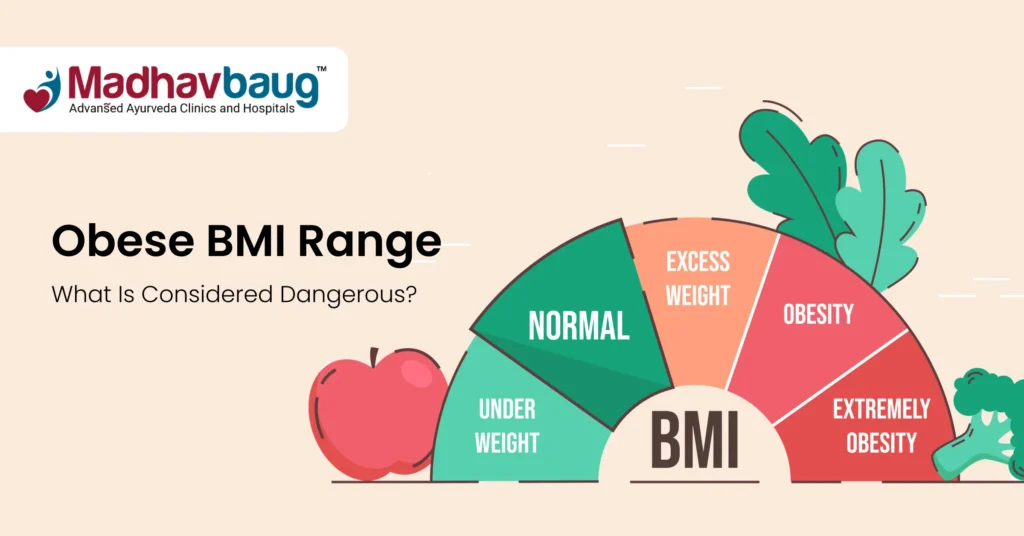
Most people have heard of BMI. Far fewer actually know what their number means, or at what point it starts putting their health at serious risk. A number on a scale tells you your weight. BMI gives you something more useful: whether that weight is appropriate for your height, or whether it is quietly working against your health. For Indians especially, the danger zone starts earlier than most people realise. Are you worried that your BMI could be putting your health at risk? Madhavbaug’s specialists can help you understand your numbers and take the right steps. Book your appointment today. What Is BMI and How Are BMI Ranges Calculated? BMI stands for Body Mass Index. It is calculated by dividing your weight in kilograms by your height in metres squared. BMI = Weight (kg) divided by Height (m²) Standard BMI ranges are: Below 18.5: Underweight 18.5 to 24.9: Normal healthy BMI range 25 to 29.9: Overweight BMI 30 to 34.9: Obese 35 to 39.9: Severely obese 40 and above: Morbidly obese These are global standards. For Indians, the risk thresholds kick in at lower numbers, something we will come to shortly. What Is the Normal Healthy BMI Range? A BMI between 18.5 and 24.9 is considered normal and healthy. It suggests your weight is reasonably proportionate to your height and that your risk of weight-related conditions is relatively low. That said, BMI is a screening tool, not a diagnosis. Someone with a BMI of 24 who carries most of their weight around the abdomen may actually be at higher metabolic risk than the number suggests. It should always be read alongside waist circumference, lifestyle, and a proper clinical assessment. What Is the Obese BMI Range? A BMI of 30 and above is classified as obese. Within that, the risk picture changes significantly as the number climbs: 30 to 34.9: Obese, moderate to high risk 35 to 39.9: Severely obese, high risk 40 and above: Morbidly obese, very high risk For Indians, research consistently shows that health risks associated with the obese BMI range begin appearing at lower thresholds than the global chart suggests. This is one reason India has seen a sharp rise in cardiac and metabolic disease even among people who do not appear visibly obese. What BMI Is Considered Dangerous? Risk does not appear at one specific number. It creeps up. That said, some thresholds are worth knowing, especially for Indians whose risk profile sits lower than global charts suggest. At BMI 25, insulin resistance starts to climb. Blood pressure and cholesterol can begin shifting quietly, and early fatty liver changes sometimes show up on scans before any symptoms appear. By BMI 30, the picture gets more serious. Type 2 diabetes risk rises substantially. Cardiac risk follows. Sleep apnoea becomes more common, and the daily pressure on the knees and hips starts showing up as joint pain. At BMI 35, the risks become harder to ignore. Heart attack and stroke risk is high. Hormonal disruption affects both men and women. Depression and anxiety are not just side effects at this point, they are clinically documented outcomes. At BMI 40 and above, the body is under strain across multiple systems simultaneously. Surgical and anaesthetic risk is very high. Quality of life takes a significant hit. What Are the Health Risks Associated With Obesity? A BMI in the obese range does not just affect how you look or feel day to day. It puts real pressure on almost every system in the body. Visceral fat raises LDL cholesterol and blood pressure, which over time strains the heart directly. Insulin resistance, the precursor to type 2 diabetes, worsens as BMI climbs. Fat accumulates in the liver gradually, impairing how it functions long before any symptoms appear. Every extra kilogram of body weight adds roughly four kilograms of pressure on the knees with every step taken. For women, a high BMI worsens hormonal imbalance and disrupts ovulation, making conception harder. There is also a well-documented link between obesity and higher risk of breast, colon, and uterine cancers. And the mental health toll, depression, anxiety, social withdrawal, is real and consistently underreported, particularly among Indian women. None of this happens overnight. It accumulates quietly over years, which is exactly why getting ahead of it matters more than treating it once the damage is done. How Do You Prevent Obesity and Control Weight? Prevention is not about crash diets or punishing gym routines. It is about consistent, manageable habits that keep BMI within a healthy range before disease gets a foothold. Practical weight management tips that actually work: Eat whole, unprocessed food as the default Cut sugar and refined carbs significantly Move every day, even a 30 minute walk counts Sleep 7 to 8 hours consistently Manage stress actively, not just occasionally Get annual health checks including metabolic markers Limit alcohol Knowing how to control obesity starts with understanding which of these areas needs the most attention for your specific situation. That is different for everyone. How Does Madhavbaug Help With Obesity and BMI Management? At Madhavbaug, BMI is the starting point of the conversation, not the end of it. The team works with you to: Assess BMI alongside waist circumference, visceral fat levels, and full metabolic markers Identify the root cause: dietary, hormonal, or genetic Build a personalised plan: Ayurvedic therapies, dietary correction, guided physiotherapy Target visceral fat specifically to lower cardiac and metabolic risk Monitor progress with regular diagnostics and adjust treatment as your body responds Whether your BMI is in the overweight range or well into obese territory, early intervention with the right medical support makes a measurable difference. Your BMI number is a signal. Do not ignore it. Visit madhavbaug.org to book your assessment today. Frequently Asked Questions Is a BMI of 30 dangerous? A BMI of 30 falls into the obese category and is associated with a higher risk of conditions like type 2 diabetes, high blood pressure, and heart disease, especially over time. Is a BMI of

