
Coronary Artery Disease in Women: Symptoms, Risk Factors and Prevention
Quick answer Chest discomfort remains the most common heart-attack symptom in women, but women are more likely to experience additional


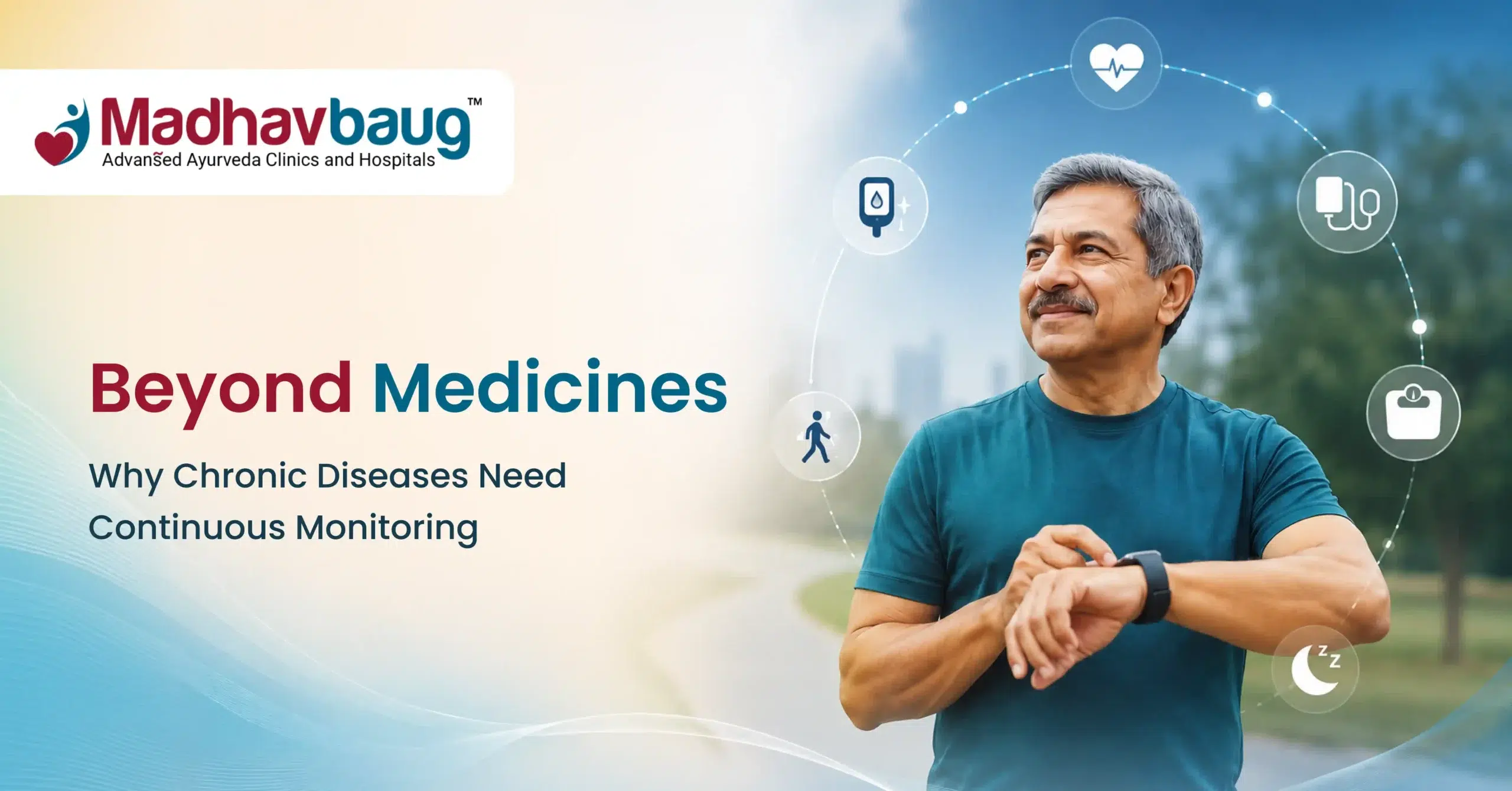
When people think of healthcare, they usually think of a doctor’s visit, a prescription or a few medical tests. These are important parts of treatment, but only a small part of the whole health journey of a patient.
For people with chronic conditions, such as heart disease, diabetes, hypertension, obesity, or chronic kidney disease, their health is determined not just by their medical visits, but by the choices they make every day in their homes, at work, and in their lives. Your diet, physical activity, sleep quality, stress levels, and medication adherence all play a role in the progression of your condition.
This raises a fundamental question: can we treat chronic diseases with healthcare limited to brief visits every few weeks or months?
The answer is no. The management of modern chronic illness is shifting from episodic care to a strategy of continuous monitoring and connected care.
Unlike infections or accidents, chronic diseases develop slowly over months or years. Small, everyday changes build over time and determine whether a condition improves, stabilises or worsens.
There are several daily factors that affect long-term health:
Research has repeatedly demonstrated that healthy behaviours between medical appointments have a significant impact on long-term outcomes. Often it is our daily habits, not our medicines, that determine the outcome of our treatment.
A typical medical appointment lasts 10 to 20 minutes, but patients live with their condition every hour of every day.
During these visits, providers typically examine:
They offer useful information but only a glimpse into the health of the patient. They don’t tell you what happened in the weeks or months before.
These are questions that are often left unanswered:
Without this knowledge, opportunities for early intervention may be lost.
Surveillance, if continued, makes health care not a one-off observation but meaningful health trends.
Instead of looking at one test result after another, doctors can get a sense of how a patient’s condition changes over the days, weeks and months.
This technique assists health care teams to identify the following:
Recognising these tendencies early allows appropriate actions to be taken before they lead to major problems, hospital hospitalisations or irreversible organ damage.
Traditionally, health care has depended upon laboratory tests and imaging examinations. While these are still important, modern medicine is increasingly recognising that lifestyle information is also useful in managing chronic diseases.
Clinicians today evaluate such things as:
These are no longer as simple as “wellness” measures. Instead, they are important clinical markers that help healthcare providers more accurately assess disease progression and adjust treatment.
Digital health technologies have made continuous care more accessible than ever before. Wearable devices, mobile apps, remote monitoring systems and electronic health records allow patients and physicians to communicate in between clinic appointments.
This notion is further strengthened by Madhavbaug’s integrated digital care ecosystem that combines a physician platform with remote patient involvement. Vital signs, lifestyle data, investigation reports and electronic medical records are integrated into a single clinical timeline, allowing physicians to compare the current health status with previous trends and to acquire an improved understanding of each patient’s disease reversal path.
Rather than depending on an isolated report or a single test, clinicians can get a fuller picture of how a patient’s health is changing over time, so that treatment regimens can be altered more precisely and proactively.
Care should not begin when symptoms worsen or a new test result arrives.
Chronic diseases are best managed on a daily basis with routine monitoring, swift action, good lifestyle decisions and active patient involvement.
Healthcare providers can better long-term results by moving from episodic to connected, continuous care.
The future of chronic diseases is not just about better drugs and better technology. It’s about keeping people connected with their health team all the time, making care proactive, not reactive, and empowering people to take more responsibility for their health on a daily basis.

Quick answer Chest discomfort remains the most common heart-attack symptom in women, but women are more likely to experience additional

Have you ever been through this situation wherein you had chest pain, you visited your doctor and they suggested an