

Obesity

Introduction
Obesity is one of the fastest-growing health crises of our time, but it still remains one of the most misunderstood conditions. It is not simply a matter of eating too much or exercising too little. Obesity is a complex, chronic metabolic condition that disrupts hormones, impairs organ function, and quietly increases the risk of heart disease, diabetes, joint degeneration, and even cancer.
What makes the situation particularly urgent is how deeply obesity is linked to other lifestyle diseases. It is a root cause, not a side effect, of conditions like Type 2 diabetes, hypertension, non-alcoholic fatty liver disease, and cardiac disorders. Treating obesity is therefore not just about weight loss. It is about reclaiming metabolic health from its foundation.
At Madhavbaug, obesity is understood and treated as a metabolic condition with identifiable root causes, not a willpower problem. Our approach integrates modern diagnostic science with Ayurvedic disease reversal to create lasting transformation, not temporary results.
What Is Obesity?
Clinical Definition
Obesity is defined as an abnormal or excessive accumulation of body fat that poses a risk to health. The most widely used clinical measure is the Body Mass Index (BMI), a calculation based on a person’s weight in kilograms divided by the square of their height in metres (kg/m²).
A chronic metabolic condition caused by excess accumulation of fat tissue and a BMI of 30 or above, that significantly elevates the risk of cardiovascular disease, diabetes, and systemic inflammation.

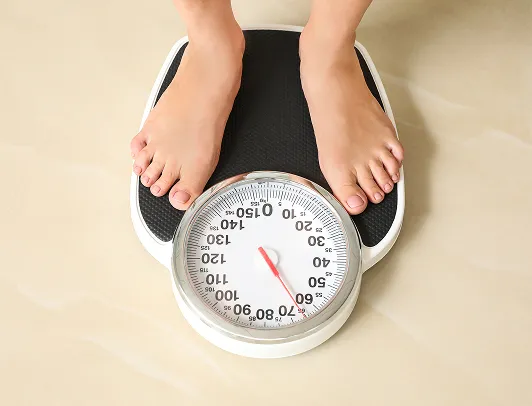
BMI Classification (WHO Standard):
- Underweight: Below 18.5
- Normal weight: 18.5 – 24.9
- Overweight: 25 – 29.9
- Obese Class 1: 30 – 34.9
- Obese Class 2: 35 – 39.9
- Morbid obesity (Obese Class 3): 40 and above
For South Asian populations, including Indians, these thresholds are adjusted slightly downward. A BMI of 23 or above is considered overweight, and 27.5 or above is considered obese because South Asians carry metabolic risk at lower BMI values than Western populations (citation).
Beyond BMI, waist circumference is also an important marker. Abdominal obesity, defined as a waist circumference above 90 cm in men and 80 cm in women (for Indians), is strongly linked to cardiovascular and metabolic risk, even in individuals with a normal BMI.
Ayurvedic Perspective
In Ayurveda, obesity is described as ‘Sthaulya’ or ‘Medoroga’, a disorder of Medo Dhatu (fat tissue). It is primarily caused by an imbalance of Kapha dosha, with secondary involvement of weakened Agni (digestive fire) and the accumulation of Ama (metabolic toxins) in fat channels (Medo Vaha Srotas).
When Agni is impaired, food is not metabolised efficiently. Instead of being converted into energy, it accumulates as unprocessed fat tissue. Over time, Ama builds up in the channels that nourish fat tissue, disrupting their function and creating the conditions for obesity and the diseases that follow it.
Ayurvedic treatment for obesity, therefore, focuses not only on reducing fat but also on rekindling Agni, removing Ama, and restoring proper flow through the body’s channels, creating conditions for deep, sustainable metabolic correction.

What Are The Common Types of Obesity?
Understanding the type of obesity a person has is critical to choosing the right treatment pathway.
Primary (Exogenous) Obesity:
It is one of the most common types, caused by a prolonged imbalance between caloric intake and energy expenditure. Driven by poor diet, physical inactivity, and sedentary lifestyle.
Secondary (Endogenous) Obesity
Caused by an underlying medical condition such as hypothyroidism, polycystic ovary syndrome (PCOS), Cushing’s syndrome, or insulin resistance. Weight management in these cases requires treating the root hormonal or endocrine disorder.
Abdominal (Central) Obesity
Characterised by excess fat concentrated around the abdomen and visceral organs. This type carries the highest risk for cardiovascular disease, Type 2 diabetes, and metabolic syndrome even when total body weight appears borderline.
Childhood Obesity
A growing crisis in India, childhood obesity arises from combinations of genetic predisposition, sedentary screen time, ultra-processed food consumption, and family eating habits. Children with obesity are at elevated risk of carrying the condition and its complications into adulthood.
Morbid Obesity
A BMI of 40 or above, or a BMI above 35 with serious weight-related health complications. Morbid obesity significantly impairs quality of life and dramatically increases mortality risk. Conventional medicine often recommends obesity surgery (bariatric surgery) at this stage, though Madhavbaug’s intensive Ayurvedic programme offers a non-surgical alternative with clinically monitored protocols.
Gynoid (Pear-Shaped) Obesity
Fat accumulates around the hips, thighs, and lower body. More common in women and generally carries lower cardiovascular risk than abdominal obesity, though it is still associated with joint problems and circulatory issues.
What Are The Common Types of Obesity?
Understanding the type of obesity a person has is critical to choosing the right treatment pathway.
Physical symptoms
- Persistent fatigue and low energy, even with adequate sleep
- Shortness of breath during mild physical activity
- Excessive sweating and heat intolerance
- Chronic joint and back pain, particularly in knees and lower back
- Skin issues including chafing, rashes, and stretch marks
- Sleep disturbances, including snoring and sleep apnoea
Metabolic and hormonal symptoms
- Irregular menstrual cycles in women
- Difficulty conceiving (obesity is a leading cause of hormonal infertility)
- Elevated blood sugar and insulin resistance
- High triglycerides and low HDL cholesterol
Psychological symptoms
- Low self-esteem and negative body image
- Social withdrawal or anxiety in public situations
- Depression, which both contributes to and is worsened by obesity
- Emotional eating patterns driven by stress, boredom, or loneliness
It is important to note that not all people with obesity experience every symptom. The signs and symptoms of obesity vary based on the type, duration, and individual metabolic profile.
What Are The Most Common Causes & Risk Factors of Obesity?
Obesity is a multifactorial condition. Blaming it on a single cause like overeating oversimplifies a complex metabolic reality.
Dietary Causes
- High intake of refined carbohydrates, sugars, and ultra-processed foods
- Large portion sizes and frequent snacking
- Low fibre intake that impairs satiety signalling
- Irregular meal timings that disrupt metabolic rhythms
Hormonal and Medical Causes
- Hypothyroidism (underactive thyroid)
- Polycystic ovary syndrome (PCOS) a leading cause of obesity in women
- Insulin resistance and Type 2 diabetes
- Cushing's syndrome (excess cortisol
- Certain medications, including steroids, antidepressants, and antipsychotics
Lifestyle Causes
- Physical inactivity and prolonged sedentary behaviour (desk jobs and screen time)
- Chronic sleep deprivation, which elevates hunger hormones (ghrelin) and suppresses satiety hormones (leptin)
- High chronic stress, which drives cortisol-induced fat storage particularly in the abdomen
- Emotional eating patterns driven by stress, boredom, or loneliness
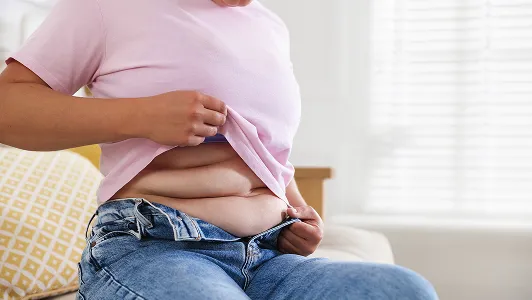
Causes of Obesity in Women
Women face unique obesity risk factors across their life cycle. Hormonal shifts during puberty, pregnancy, and menopause alter fat distribution and metabolism. PCOS, one of the most common endocrine disorders in Indian women, creates a vicious cycle of weight gain and hormonal imbalance. Post-menopausal oestrogen decline leads to increased visceral fat accumulation even without changes in diet or activity.
Genetic and Environmental Factors
- Family history of obesity significantly raises individual risk
- Certain gene variants affect appetite regulation, fat storage, and metabolic rate
- Environmental factors, including neighbourhood food access, walkability, and income, all shape obesity outcomes
Childhood Obesity Risk Factors
- Parental obesity (doubles a child's risk)
- Excessive screen time and insufficient physical activity
- High intake of sugary beverages and packaged snacks
- Psychological factors including peer pressure and emotional eating
What Are The Complications of Obesity?
Left unaddressed, obesity systematically damages nearly every organ system in the body. Understanding obesity-related diseases is critical not to create fear, but to create urgency.
Cardiovascular
- Coronary artery disease and heart attacks
- Heart failure
- Hypertension (high blood pressure)
Metabolic
- Type 2 diabetes
- Metabolic syndrome (a cluster of conditions including high blood sugar, high blood pressure, abnormal cholesterol, and excess abdominal fat)
- Non-alcoholic fatty liver disease (NAFLD), which can progress to cirrhosis
Musculoskeletal
- Osteoarthritis of the knees and hips
- Lower back pain
- Gout (elevated uric acid)
Respiratory
- Obstructive sleep apnoea
- Obesity hypoventilation syndrome
- Increased risk of severe respiratory infections
Hormonal and Reproductive
- Infertility in both men and women
- Pregnancy complications, including gestational diabetes and pre-eclampsia
- Erectile dysfunction in men
- Worsening of PCOS in women
Psychological
- Clinical depression
- Anxiety disorders
- Binge eating disorder
Cancer
- Obesity is linked to increased risk of colon, breast, uterine, kidney, oesophageal, and pancreatic cancers
Diagnosis of Obesity
Accurate obesity diagnosis goes beyond stepping on a scale. At Madhavbaug, comprehensive assessment forms the foundation of every treatment plan.
Standard Diagnostic Measures
Body Mass Index (BMI)
The primary screening tool. Calculated as weight (kg) ÷ height² (m²). While useful, BMI does not distinguish between fat mass and muscle mass, which is why additional assessments are always necessary.
Waist Circumference
A direct measure of abdominal obesity and visceral fat, the most metabolically dangerous fat type. In Indians, risk is elevated above 90 cm (men) and 80 cm (women).
Waist-to-Hip Ratio
Provides additional information on fat distribution and associated cardiovascular risk.
Body Composition Analysis
Advanced assessment of fat mass versus lean muscle mass, hydration levels, and metabolic rate, giving a far more precise picture than BMI alone.
Clinical and Laboratory Tests
- Fasting glucose and HbA1c (diabetes and pre-diabetes screening)
- Lipid profile (total cholesterol, triglycerides, HDL, LDL
- Thyroid function (TSH, free T3, free T4)
- Liver function tests (NAFLD assessment)
- Hormonal panels where indicated: LH, FSH, testosterone, fasting insulin (HOMA-IR)
- Blood pressure, ECG, and cardiac evaluation where cardiovascular risk is present


Ayurvedic Assessment
Madhavbaug physicians conduct Prakriti (body constitution) analysis and Dosha evaluation alongside biomedical diagnostics. This dual-framework assessment identifies the metabolic root cause at both physiological and constitutional levels, enabling a fully personalised treatment protocol that addresses the condition from both modern and classical perspectives simultaneously.
Treatment Options for Obesity
Conventional Treatment
Standard medical approaches to weight management typically include:
- Dietary intervention: Calorie-restricted diets, structured meal plans
- Physical activity: Aerobic and resistance training programmes
- Behavioural therapy: Cognitive behavioural therapy to address emotional eating and lifestyle patterns
- Weight loss medication for obesity: Medications such as orlistat, GLP-1 receptor agonists (e.g., semaglutide), or metformin for insulin resistance
- Obesity and surgery: Bariatric procedures (gastric bypass and sleeve gastrectomy) are recommended for morbid obesity or where other interventions have failed. While effective for weight loss, obesity surgery carries surgical risks and does not always address the underlying metabolic disorder

These conventional approaches can produce results but often focus on symptom management rather than root-cause reversal. Weight regain is common when lifestyle support is insufficient.
The Madhavbaug Approach: Ayurvedic Obesity Reversal
Madhavbaug treats obesity as a metabolic, hormonal, and lifestyle condition, not a cosmetic problem or a failure of willpower. Our approach is built on four integrated pillars: diagnostics, Ayurvedic therapy, lifestyle and diet management, and continuous monitoring. This is disease reversal, not just management.
Ayurvedic Therapies (Panchakarma)
Madhavbaug’s clinical Panchakarma protocols target the physiological roots of obesity:
- Centripetal Oleation (Abhyanga with medicated oils): Therapeutic massage using dosha-specific herbal oils to stimulate lymphatic drainage, improve circulation, and break down subcutaneous fat deposits
- Swedana (Medicated Steam Therapy): Heat therapy that opens channels, eliminates Ama (toxins), and promotes fat metabolism through thermal vasodilation
- Per Rectal Drug Administration (Basti): An ayurvedic panchakarma therapy reduces systemic inflammation and supports hepatic lipid metabolism.
- Lipoactive Medication Application: Topical application of herbal formulations that act directly on subcutaneous fat deposition
- Golekh Capsule: Madhavbaug's proprietary herbal medicine containing Guggul, Triphala, and Vrikshamla, provides pharmacological support for fat metabolism and cholesterol regulation, consistent emerging evidence on these botanical agents.


Diet & Lifestyle Management
Madhavbaug provides each patient with the Swasthyam Diet Kit, a scientifically designed, personalised dietary protocol that goes far beyond calorie counting.
The Swasthyam approach focuses on the following:
- Calorie regulation without starvation or nutritional deprivation
- Nutrient-dense, whole-food meals that actively support metabolic function
- Carbohydrate and portion management tailored to insulin sensitivity
- Addressing hormonal imbalances and digestive inefficiencies that drive weight gain
Alongside diet, patients receive structured guidance on yoga, therapeutic exercise appropriate to their fitness level, and stress management, all of which are integral to reversing the hormonal dysregulation that sustains obesity.
Real-Time Monitoring via mibPULSE App
Madhavbaug’s mibPULSE app keeps patients connected to their treatment plan between clinic visits. Through the app, patients can:
- Calorie regulation without starvation or nutritional deprivation
- Log meals and receive dietary feedback
- Follow their personalised plan with evolving targets
- Message their Madhavbaug doctor and book follow-up appointments
- Monitor metabolic trends over time, not just snapshot numbers
This continuous monitoring creates accountability, allows real-time treatment adjustments, and dramatically improves long-term outcomes.

Diet & Lifestyle Management for Obesity
Sustainable weight management relies on lasting changes to diet and daily habits, regardless of your enrollment in a formal treatment programme.
Physical Activity
- Aim for at least 150 minutes of moderate aerobic activity per week (brisk walking, cycling, swimming)
- Include 2–3 sessions of resistance or strength training weekly to preserve muscle mass during weight loss
- Break up prolonged sitting; even a 5-minute walk every hour has measurable metabolic benefits
- Yoga has particular relevance for Indian patients, improving both physical and hormonal health
Sleep and Stress
- Prioritise 7–8 hours of quality sleep; deprivation elevates ghrelin (hunger hormone) and cortisol, both of which directly drive weight gain
- Address chronic stress through structured practices: pranayama, meditation, social connection, and, where necessary, professional support
Dietary Principles
- Prioritise whole foods: vegetables, legumes, whole grains, and lean protein over packaged and processed options
- Control refined carbohydrates: white rice, white bread, sugar, and sugary beverages are the primary drivers of insulin resistance and fat accumulation in India
- Eat mindfully and regularly: three structured meals a day without prolonged gaps or constant snacking support stable blood sugar and reduce overeating
- Hydrate adequately: aim for 8–10 glasses of water daily; thirst is often mistaken for hunger
- Limit liquid calories: chai with sugar, fruit juices, and cold drinks add hundreds of calories with little satiety
How Can You Prevent Obesity?
Obesity is largely preventable with the right interventions, especially when addressed early.
- Establish healthy eating habits in childhood, with emphasis on home-cooked meals and limiting processed food
- Encourage daily physical activity from school age like sports, outdoor play, and walking over screen time
- Get regular health screening, including BMI and metabolic panel, from the age of 25 or earlier if there is a family history
- Manage stress proactively rather than reactively
- Address hormonal and thyroid conditions early, before weight gain becomes entrenched
- Intervene early in children showing signs of overweight; childhood obesity is significantly easier to reverse than adult obesity
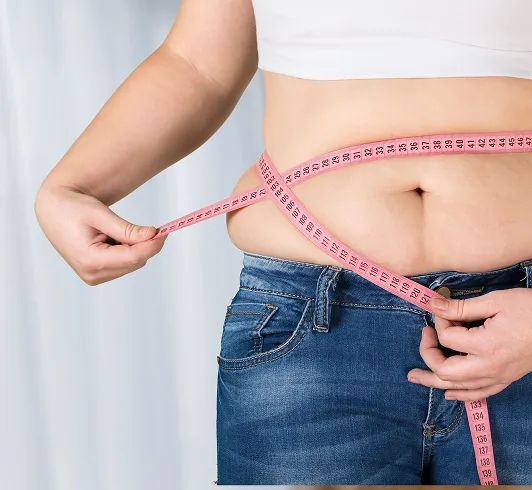
For women, particular vigilance around life-stage transitions – puberty, post-pregnancy, and menopause can prevent the weight accumulation that often goes unchecked during these periods.
Prognosis of Obesity
With the right treatment approach, the prognosis of obesity is genuinely positive. Clinical evidence consistently demonstrates that even a modest 5–10% reduction in body weight produces measurable improvements in blood pressure, glycaemic control, and lipid profile thereby reducing cardiovascular risk.
However, long-term prognosis is contingent on sustained metabolic intervention rather than episodic weight loss. Relapse rates following calorie-restriction-only approaches are high, driven by hormonal adaptive responses (suppressed leptin, elevated ghrelin, reduced resting metabolic rate) that persist for years after weight loss. Effective long-term management therefore requires not just initial weight reduction but ongoing correction of the metabolic dysregulation that drives regain.
Madhavbaug programme data indicate that patients who adhere consistently to the four-pillar protocol achieve not only measurable weight reduction but also improvement in fasting glucose, HbA1c, lipid profiles, and blood pressure, reflecting genuine metabolic correction rather than weight loss in isolation. Obesity is not a permanent condition. With the right medical support and a programme designed around your individual physiology, reversal is achievable.
Take control of your weight the right way; start your transformation with Madhavbaug today.